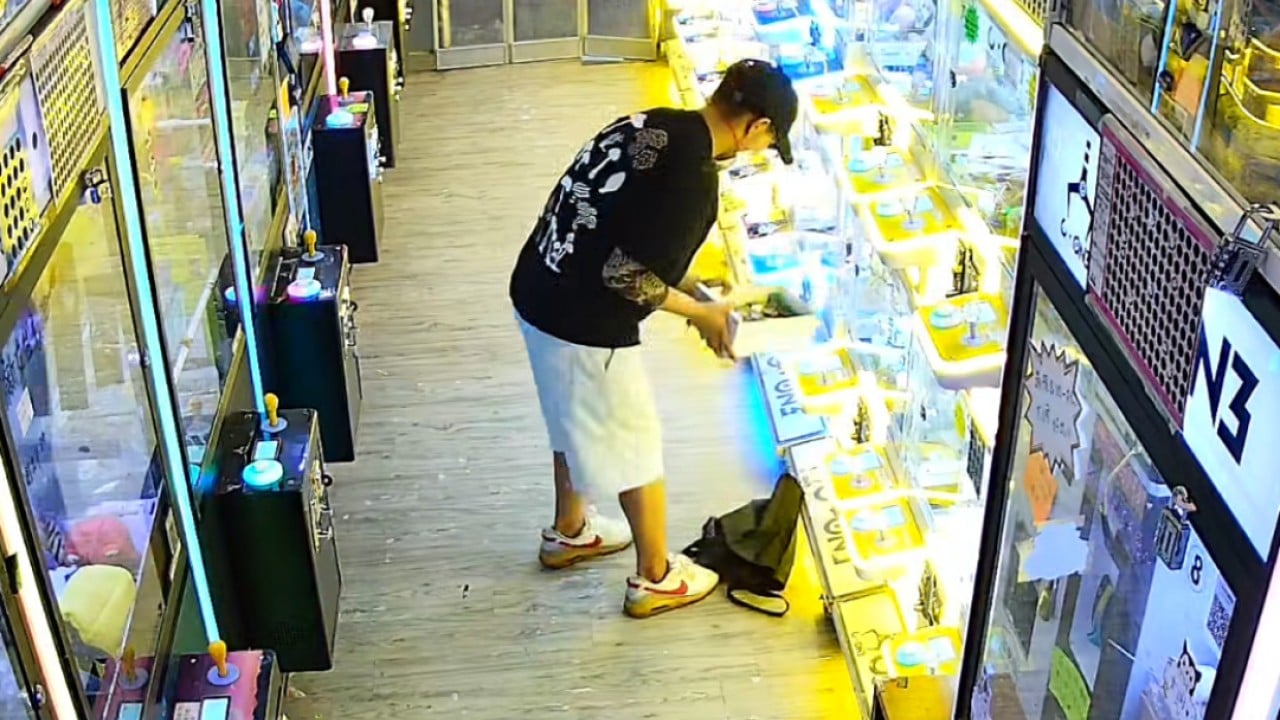
Unattended arcades loaded with prize cabinets look like passive income dreams. They operate 24 hours a day, require minimal staff, and bank on steady foot traffic from people chasing plush toys or electronics. But that lack of staff creates a massive security blind spot. When a thief can walk up to a row of cabinets, unlock them cleanly with a physical key, and drain roughly HK$10,000 in cash without breaking a single pane of glass, you realize automated retail has a serious trust problem.
Local authorities launched a manhunt after a store owner filed a formal police report. CCTV footage showed a suspect casually unlocking the machines as if they owned the place. No forced entry. No shattered acrylic. Just a standard key turning in a standard lock. That single detail changes everything about how we look at arcade security.
The Illusion of 24 Hour Automated Security
Most entrepreneurs opening unattended claw machine shops think the hard part is marketing the prizes. You buy the machines, lease a small storefront, set up a QR code payment system, and let the cash roll in.
You forget about physical vulnerability.
When a thief bypasses electronic payment scanners by targeting the physical coin boxes and cash storage compartments directly, traditional locks become your only line of defense. If those locks use generic keys, or if key management is sloppy, your entire business model collapses in seconds.
How Key Control Breaks Down
Security audits of small retail spaces usually reveal the same basic mistakes. Owners hand out copies of master keys to too many part-time contractors, maintenance workers, or restocking vendors. Sometimes, a disgruntled former employee keeps a copy. Other times, manufacturers use identical lock cylinders across hundreds of mass-produced arcade cabinets sold globally, meaning a key bought online can open multiple units.
Think about what happened in this recent case. The perpetrator didn't need bolt cutters. They had access, or they possessed a matching key. Police are currently investigating how the suspect obtained the key and whether internal negligence played a role. That distinction matters. An outside burglar is a risk of doing business, but a compromised key chain points straight to an inside leak or poor supply chain security.
Protecting Your Automated Storefront
If you run an automated arcade or coin-op business, you cannot rely on factory-default locks and blind faith. Modern retail crime demands modern counter-measures.
- Upgrade standard cam locks to high-security, restricted-keyway cylinders that cannot be easily duplicated at a local hardware shop.
- Install independent interior security cameras that point directly at the coin doors and cash boxes, separate from the cameras meant to watch the prize claw area.
- Shift away from cash entirely where local regulations and customer habits allow, pushing transactions strictly toward digital wallets and contactless payment cards.
- Audit your physical key inventory weekly. Know exactly who holds a key and change the cores immediately if staff turnover happens.
Automated shops are supposed to run themselves. But when security is automated away entirely, criminals notice. Hardware stores and arcade operators need to treat these storefronts with the same paranoia as a traditional bank branch. Otherwise, easy keys will keep turning into easy cash losses.