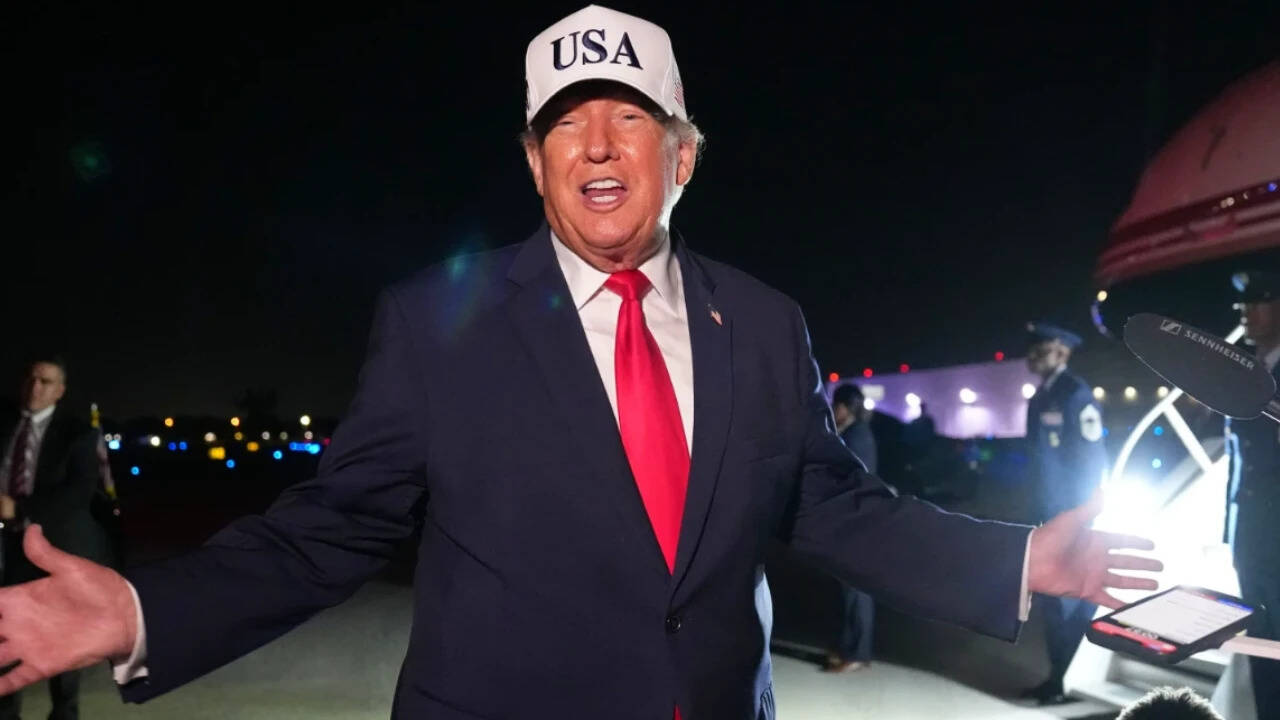
When Donald Trump casually signals an expectation to hold direct talks with Chinese President Xi Jinping and Russian President Vladimir Putin, financial news wires light up instantly. Traders at Forex Factory and institutional desks from London to Tokyo immediately begin recalculating currency risk, commodity exposure, and sovereign debt yields. Yet most market commentary misses the actual story. The headline is not about polite diplomatic handshakes or sudden global harmony. It is about bilateral transactionalism replacing decades of multilateral consensus, creating an environment where sudden policy shifts can wipe out billions in market value overnight.
Markets hate uncertainty more than bad news. A predictable enemy is far easier to price into a currency pair than an unpredictable negotiator. By bypassing traditional diplomatic channels and state department bureaucracies, direct leader-to-leader summits centralize immense geopolitical power into the hands of three individuals with vastly different domestic pressures and economic vulnerabilities.
The Myth of the Grand Bargain
Financial commentators love the narrative of a sweeping geopolitical reset. The idea that three leaders can sit down, redraw spheres of influence, end regional wars, and eliminate trade tariffs in a single weekend makes for compelling television. Reality operates differently.
In international relations, structural rivalries do not vanish because two men share a meal. Consider the core friction points between Washington and Beijing. The United States wants to protect its technological lead in semiconductors, artificial intelligence, and advanced manufacturing while reducing massive trade deficits. China needs export-driven growth to offset a severe domestic real estate downturn and sluggish consumer spending. Neither side can surrender its core economic model without risking severe political instability at home.
Similarly, the divide between Washington and Moscow involves entrenched security architectures in Eastern Europe, energy market dominance, and sanctions regimes that have fundamentally rewired global trade flows. Putin has spent years restructuring the Russian economy into a wartime industrial base, pivoting energy exports toward Asia, and building alternative payment mechanisms to bypass the US dollar. A single phone call or summit does not unwind years of systemic decoupling.
What these talks actually represent is a shift toward managed friction. Rather than solving foundational disputes, direct engagement allows leaders to establish temporary guardrails, extract specific short-term concessions, and claim domestic political victories. For currency and commodity traders, this means volatility will not disappear; it will simply become episodic, spiking violently around summit dates and social media posts.
Why Currency Markets React Before the Ink Dries
Foreign exchange desks operate on probabilities, not promises. The moment talks with Xi and Putin enter the news cycle, algorithms scour every word for clues regarding three specific variables: tariffs, sanctions, and energy supply.
The Yuan and the Tariff Threat
The Chinese renminbi remains the primary pressure valve for US-China trade tensions. When tariff threats escalate, Beijing historically allows the yuan to depreciate slightly to keep Chinese exports competitive, offsetting the cost of American import taxes. Conversely, any hint of direct talks between Trump and Xi immediately triggers short-covering rallies in the offshore yuan, alongside the Australian dollar and the New Zealand dollar, both of which act as liquid proxies for Chinese economic health.
However, smart money looks past the initial bounce. If Trump uses the prospect of talks as a framing device to demand massive, immediate purchases of American agricultural goods or strict caps on Chinese industrial subsidies, negotiations can stall just as quickly as they begin. Traders who bet on a permanent trade truce often get caught flat-footed when talks hit an inevitable impasse over enforcement mechanisms.
The Ruble Sanctions and Commodity Shockwaves
Russia presents an entirely different calculation. While the Russian ruble is largely insulated from Western speculative flows due to capital controls and sanctions, the indirect effects on global currencies are massive.
If talks with Putin signal a potential easing of energy sanctions or a negotiated freeze in Eastern Europe, European currencies—particularly the euro and the Polish zloty—stand to gain relief from lower energy risk premiums. Simultaneously, crude oil and natural gas prices face immediate downward pressure as traders price in the potential return of unrestricted Russian supply to global markets. On the flip side, if negotiations break down and lead to secondary sanctions against buyers of Russian crude, energy prices spike, strengthening the US dollar as a safe-haven asset while punishing energy-importing nations like Japan and Germany.
The Historical Precedent of Personal Diplomacy
To understand where this leads, look back at the 2018-2020 trade negotiations and the 2018 Helsinki summit. History rarely repeats itself verbatim, but its structural patterns remain remarkably consistent.
During the first Trump administration, direct engagement with Xi Jinping at the G20 summit in Buenos Aires produced a temporary tariff truce that sent global equities surging. Months later, when American negotiators felt Beijing was backtracking on structural intellectual property commitments, tariffs snapped back into place with little warning, triggering sharp sell-offs across emerging markets. The eventual Phase One trade deal required China to buy billions in American goods—targets that were ultimately missed due to supply chain disruptions and economic realities.
The lesson from that era is clear. Personal rapport between leaders buys time, not permanent alignment. Bureaucracies exist in foreign policy because the technical details of trade enforcement, customs verification, and weapons monitoring require thousands of specialists working over years. When leaders sideline their own institutions to strike headline-grabbing deals, the resulting agreements often lack the granular enforcement teeth needed to survive real-world economic stress.
Overlooked Factors Driving the Timing
Why push for direct talks with both Moscow and Beijing simultaneously? Conventional wisdom suggests dividing adversaries rather than engaging them at the same time. Yet three underlying pressures explain this approach.
First, the US fiscal trajectory demands attention. Servicing massive national debt at elevated interest rates restricts Washington's ability to fund prolonged proxy conflicts and open-ended defense commitments indefinitely. De-escalating foreign entanglements frees up political and financial capital for domestic priorities, including tax policy and deregulation.
Second, the deepening alignment between Beijing and Moscow poses a strategic headache for Washington. Since 2022, bilateral trade between China and Russia has surged, with China absorbing discounted Russian oil and supplying critical dual-use industrial goods. Washington recognizes that pushing both nations into a corner simultaneously accelerates their economic integration and encourages them to build parallel financial systems outside Western control. Engaging both leaders separately is a classic triangular diplomacy play designed to test the limits of their partnership and remind Beijing that its economic survival still depends heavily on Western consumer markets.
Third, domestic economic fragility in China and Russia creates a narrow window of opportunity. China is grappling with deflationary pressures, local government debt crises, and demographic headwinds. Russia faces severe labor shortages, persistent inflation, and high interest rates required to keep its war economy from overheating. Neither Xi nor Putin approaches the negotiating table from a position of unchecked economic strength. Both leaders have strong incentives to secure relief from external economic pressure, provided they can do so without appearing weak to their domestic audiences.
What Institutional Desks Are Actually Watching
Retail traders often obsess over televised press conferences and body language. Institutional analysts ignore the theater and track hard data flows to see if diplomatic rhetoric translates into real policy shifts.
- Treasury International Capital Data: Watch for changes in Chinese holdings of US Treasuries and agency debt. A pause in steady selling often signals an attempt by Beijing to maintain currency stability ahead of high-level meetings.
- Tanker Tracking and Maritime Insurance: Sanctions enforcement happens at sea, not at podiums. Analysts monitor the movement of shadow-fleet oil tankers and Western maritime insurance approvals to detect quiet shifts in enforcement intensity before any official policy change is announced.
- Agricultural Export Sales: Historically, state-backed Chinese buyers make large, sudden purchases of US soybeans, corn, and pork as goodwill gestures weeks before major diplomatic summits. These data releases from the Department of Agriculture often serve as the earliest concrete confirmation that backchannel talks are progressing.
- Central Bank Gold Reserves: Both the People's Bank of China and the Central Bank of Russia have aggressively accumulated physical gold to insulate their reserves from dollar-based sanctions. A slowdown in sovereign gold buying would indicate growing confidence in diplomatic stabilization.
The Risk of Misreading the Room
The danger inherent in high-level personal diplomacy is asymmetric perception. In Western democracies, political leaders operate on short election cycles and measure success in immediate market reactions, headline wins, and quarterly economic numbers. In authoritarian systems like Beijing and Moscow, leaders operate on multi-decade timelines and view tactical concessions merely as temporary pauses in a long-term ideological and strategic contest.
Consider a hypothetical scenario where Washington agrees to freeze certain technology export controls in exchange for immediate Chinese commitments to curb industrial overcapacity and boost American imports. Markets would rally on the news, celebrating the end of trade hostilities. Yet behind the scenes, Beijing would almost certainly use that breathing room to accelerate domestic semiconductor self-sufficiency, ensuring that the next time tensions flare, American leverage is significantly weaker.
Similarly, any cease-fire arrangement brokered directly with Moscow without ironclad security guarantees risks becoming an operational pause for military reconstitution rather than a durable peace. Financial markets tend to price in the immediate relief of halted hostilities long before they account for the medium-term risk of renewed conflict.
Navigating the Volatility Ahead
For investors, corporate executives, and currency traders, expecting a return to the predictable globalization of the early 2000s is a fatal mistake. That era is gone. The global economy has fractured into competing blocs, and direct talks between Trump, Xi, and Putin are best understood as negotiations over the terms of that fragmentation, not an effort to reverse it.
Smart positioning requires abandoning directional bets based on diplomatic optimism. Instead of going all-in on a trade deal or a peace treaty, institutional players are hedging tail risks—buying volatility options ahead of scheduled summits, diversifying supply chains across neutral jurisdictions like Mexico, Vietnam, and India, and maintaining liquidity to capitalize on sudden market overreactions.
When three men with the power to move global markets pick up the phone, headlines will promise historic breakthroughs. Do not trade the press release; watch the capital flows, track the commodities, and wait for the policies that actually survive contact with reality.