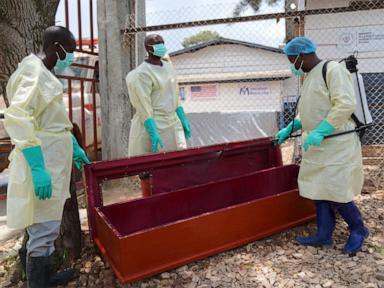
In the eastern provinces of the Democratic Republic of the Congo, death doesn't come quietly. When a suspected Ebola victim passes away, the body remains a ticking biological clock. The virus is most potent right after life leaves the body, turning sacred cultural farewells into high-risk transmission events. Enter the safe and dignified burial teams. These workers step into chaotic hot zones wearing heavy personal protective equipment, carrying chlorine spray, and holding heavy-duty impermeable body bags. What they face isn't just a medical hurdle. It's a wall of raw grief, violent suspicion, and deep community trauma.
People are angry. They are exhausted. They are terrified. When public health workers enforce strict protocols that ban traditional body washing and intimate funeral rites, communities often snap. In places like Rwampara, that tension exploded into arson when youths tried to reclaim the body of a local football player and subsequently torched a treatment center. Understanding this crisis means looking past the surface narrative of local resistance and examining why trust in public health interventions has broken down so completely.
The Clash Between Custom and Contagion
For families in Ituri and North Kivu, refusing a medicalized burial isn't about ignoring science. It's about love, duty, and cultural survival. Mutual support defines life in these communities. Visiting the sick, preparing the dead, and touching the deceased are foundational social acts that reinforce human solidarity.
When strangers in hazmat suits arrive to whisk away a loved one in a plastic bag, it feels like an assault. Mourners are often kept at a distance or barred from witnessing the burial entirely.
- Traditional rites demand washing and touching the body.
- Ebola protocols demand immediate containment and zero physical contact.
- The emotional gap between these two realities creates instant hostility.
When a team of burial workers handles up to seven bodies a day during a severe spike, speed replaces ceremony. Teams working under extreme pressure sometimes move too fast, heaving corpses with minimal reverence out of raw self-preservation. Families see this and feel humiliated. Rumors fill the void. People whisper that the treatment centers are death traps, or that the virus itself is a fabrication designed by outsiders.
Living on the Frontline of Burnout
The emotional toll on the burial workers themselves gets very little attention. Yuma Adolphe and other frontline responders deal with daily hostility from the very people they're trying to protect. They walk into neighborhoods where they are cursed, threatened, or pelted with stones.
Then comes the internal weight. Carrying out multiple burials a day in stifling heat takes a massive physical toll. Mentally, the strain is worse. Workers rely on each other as a primary lifeline, holding debriefing sessions with Ministry of Health psychologists to process the hostility and trauma they absorb on the job. They keep going because the math is brutal: if they stop conducting safe burials, the virus wins.
Building Bridges Where Suspicion Runs Deep
Stopping the spread requires more than just enforcement and bleach. Organizations working in the region have learned that community engagement must run parallel to medical intervention.
Simulation exercises help bridge the gap. Community health workers perform mock safe burials so families can see what the process looks like before tragedy strikes. These sessions demystify the hazmat suits and the body bags. Local leaders are brought into the fold, helping adapt burial procedures where possible to respect dignity while maintaining safety boundaries.
Trust remains the hardest currency to earn in eastern Congo. Decades of armed conflict, political instability, and general neglect by central authorities mean residents are already dealing with malaria, violence, and displacement daily. Ebola is just one more catastrophe in a long line of them. Until health responses address the holistic safety and context of these communities, the burial teams will keep marching into the fire, balancing compassion against a background of unending fear.