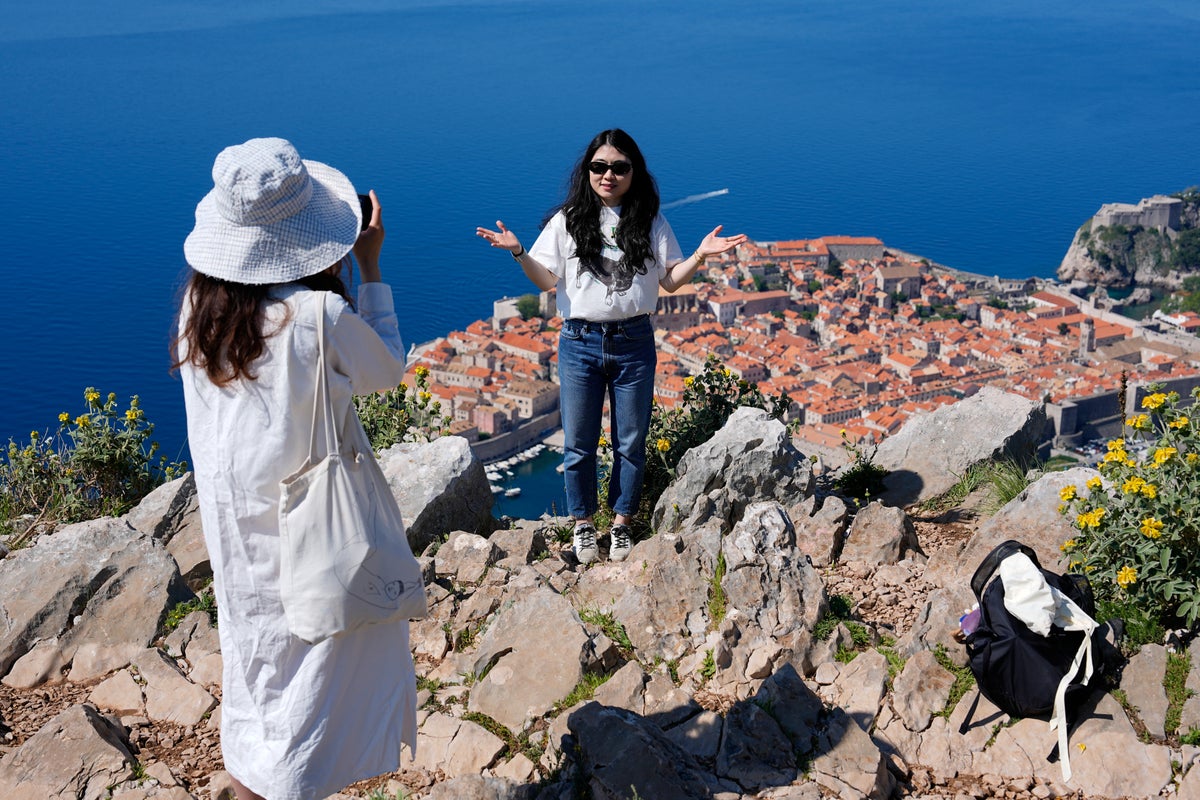
Booking a flight to Dubrovnik or planning a road trip down the Dalmatian coast used to be the easy part of summer. Now, you're probably checking the news as often as the weather forecast. With the 2026 tourism season officially kicking off, a shadow is hanging over those crystal-clear Adriatic waters. Global instability—specifically the fallout from recent conflicts in the Middle East—has sent oil prices north of $100 a barrel, and Croatia is feeling the squeeze right as it prepares for millions of visitors.
If you think this is just a minor bump in the road, think again. Tourism is the lifeblood of the Croatian economy, making up about 20% of its GDP. When fuel prices spike, everything from your Uber from the airport to the price of a grilled sea bream at a konoba follows suit. Inflation in Croatia hit 5.8% this April, driven largely by energy costs. It's a tricky balance for a country that finally felt like it was hitting its stride after joining the Schengen area and adopting the euro.
The Reality of Fuel Caps and Motorway Prices
Don't expect the price at the pump to be the same everywhere you go. The Croatian government has stepped in with price caps, but there’s a catch that will hit road-trippers the hardest. To prevent "fuel tourism"—where drivers from neighboring countries cross the border just to fill up—the government has deregulated prices on motorways.
This means if you're driving a rental car from Zagreb to Split, you'll pay a significant premium at those convenient highway rest stops. Currently, Eurosuper 95 is capped at around 1.62 € per liter at stations off the highway, but once you pull onto the A1, those protections vanish. It’s a deliberate move to protect the local supply and the national budget, but it’s a trap for the uninformed tourist.
Why Airfares and Ferries Are Next
It’s not just about the car you’re driving. If you haven't booked your inter-island ferries or regional flights yet, you might be in for a shock. Jadrolinija and other maritime carriers are dealing with the same surging diesel costs. While they try to keep schedules consistent, fuel surcharges are becoming the norm rather than the exception.
Airlines are in an even tighter spot. Tensions in the Middle East have disrupted traditional flight paths and pushed aviation fuel costs through the roof. We're already seeing carriers trim their schedules or hike "seasonal adjustments" to cover the overhead. If you're flying into Split or Zadar, that "budget" ticket you saw a month ago might look very different today.
Beyond the Pump how Energy Costs Hit Your Dinner Plate
You might wonder why a fuel crisis matters when you’re sitting at a seaside restaurant. It’s simple logistics. Almost everything consumed on the islands—from the wine to the olive oil—has to be shipped in. When the cost of transport goes up, the menu prices aren't far behind.
Small business owners in places like Hvar and Korčula are stuck between a rock and a hard place. They need to cover their rising costs without scaring away the tourists who are already paying record prices for accommodation. Private rentals are already seeing a slight dip in occupancy because people are starting to realize that Croatia isn't the "cheap" Mediterranean alternative it used to be.
How to Protect Your Vacation Budget
You can still have a great time in Croatia without draining your savings, but you have to be smarter about it. The days of "winging it" during the peak of July and August are over if you're on a budget.
- Fill up before the highway: If you’re renting a car, always top off the tank in a town or city before you get on the motorway. The price difference is enough to pay for a couple of rounds of drinks.
- Use the rail and bus network: While the trains aren't exactly high-speed, the bus network in Croatia is extensive and often more insulated from immediate fuel spikes than private transfers or rentals.
- Eat where the locals eat: Get away from the Riva or the main town squares. The further you are from the primary tourist hubs, the less likely you are to be paying for the "transportation premium" added to every dish.
- Book ferries in advance: Don't wait until you're at the pier. Online bookings sometimes offer better rates or at least guarantee your spot before a potential price hike mid-season.
The uncertainty isn't going away anytime soon. The Croatian government is reviewing fuel prices every two weeks, which means the "deal" you see today could be gone by the time you land. Stay flexible, keep an eye on the exchange rates if you’re coming from outside the eurozone, and maybe skip the motorway gas stations. Honestly, a little planning now is the only way to make sure your summer isn't ruined by a receipt at the petrol station.