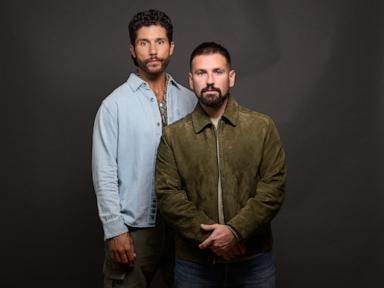
Music charts love formulaic pop-country. Nashville pushes out shiny tracks about tailgates and cold drinks on an endless loop. Sometimes an artist gets tired of playing the game. Dan and Shay spent years dominating radio waves with massive, polished anthems that played at thousands of weddings. Then life hit them hard. Losing a close friend changed everything about how they view their careers and their art. Instead of rushing out another radio-friendly single about nothing much, they pulled back the curtain. They dropped the gloss and wrote "Say So," confronting heavy emotions head-on. That raw honesty paved the way for "Young," a deeply autobiographical track that strips away the stadium-sized production to focus on the fleeting nature of time.
If you thought country pop was only about having a good time, you missed the entire shift happening behind the scenes. Artists are exhausted by perfection. Fans want real stories, even messy ones.
The Breaking Point Behind the Sound
Country music duos face a brutal treadmill. You write a hit, you tour until your voice gives out, you write another hit, and you repeat the cycle for a decade. Dan Smyers and Shay Mooney lived that exact grind. They chased metrics and streaming numbers until personal tragedy forced a reality check.
When you lose someone close to you, trivial things stop mattering. Billboard charts lose their shine. The duo realized they had spent years writing songs designed for massive arena singalongs while letting their actual human experiences take a backseat. They needed to write music they could look back on without cringing.
"Say So" was the turning point. It wasn't built for easy radio consumption. It carried the weight of grief and the awkwardness of unsaid words. Fans noticed the shift immediately. Authenticity cuts through noise faster than any marketing budget ever could.
Writing Young and Growing Up Fast
Nnostalgia is a tricky emotion in songwriting. Too sweet, and it sounds like a greeting card. Too bitter, and it alienates the listener. With "Young," Dan and Shay managed to capture the frantic, invincible feeling of early adulthood without falling into cheap clichés.
They looked back at their roots, the early days of playing empty bars, and the sheer naive optimism it took to pack up and move to Nashville.
- The early struggle of playing to bartenders instead of fans.
- Writing songs in cramped apartments with broken air conditioning.
- Realizing that the invincible feeling of youth has an expiration date.
Most people romanticize their twenties. This song points out the panic underneath that decade. You are trying to figure out who you are while everyone around you expects you to have a five-year plan. The duo channeled that specific brand of anxiety into a melody that feels less like a polished country track and more like a late-night confession.
Why Vulnerability Wins in Modern Country
Nashville has a long history of hiding pain behind catchy hooks. Traditional country music used to embrace heartbreak, but the pop-country boom of the 2010s sanitized a lot of the genre. Everything became too shiny.
Dan and Shay proved that you can keep big vocal arrangements while telling painful, specific truths. You don't have to choose between commercial appeal and emotional weight.
Audiences possess a finely tuned radar for faked emotion. People spot a manufactured heartbreak ballad from a mile away. When an artist sings about actual loss and the passage of time, the vocal delivery changes. You can hear the exhaustion and the acceptance in the phrasing.
This pivot shows a maturing fanbase. The teenagers who screamed their early love songs are now dealing with mortgages, career pivots, and the loss of parents or old friends. They need music that grew up right along with them.
What Comes Next for the Duo
Moving past the safety net of generic pop-country is risky. Radio programmers panic when an established act slows things down or gets too introspective. Yet, playing it safe is the quickest way to become irrelevant.
By grounding their recent work in real autobiography, they secured a second act. They aren't just the wedding song guys anymore. They are songwriters who survived the machine and lived to tell the real story.
Take a close look at your own creative projects or career. Stop hiding behind what you think people want to see. Strip away the extra noise and focus on the core truth of what you are trying to say. If it scares you a little bit to share it, you are probably on the right track.


