Hold two photographs side by side, and you hold a ghost story in your palms.
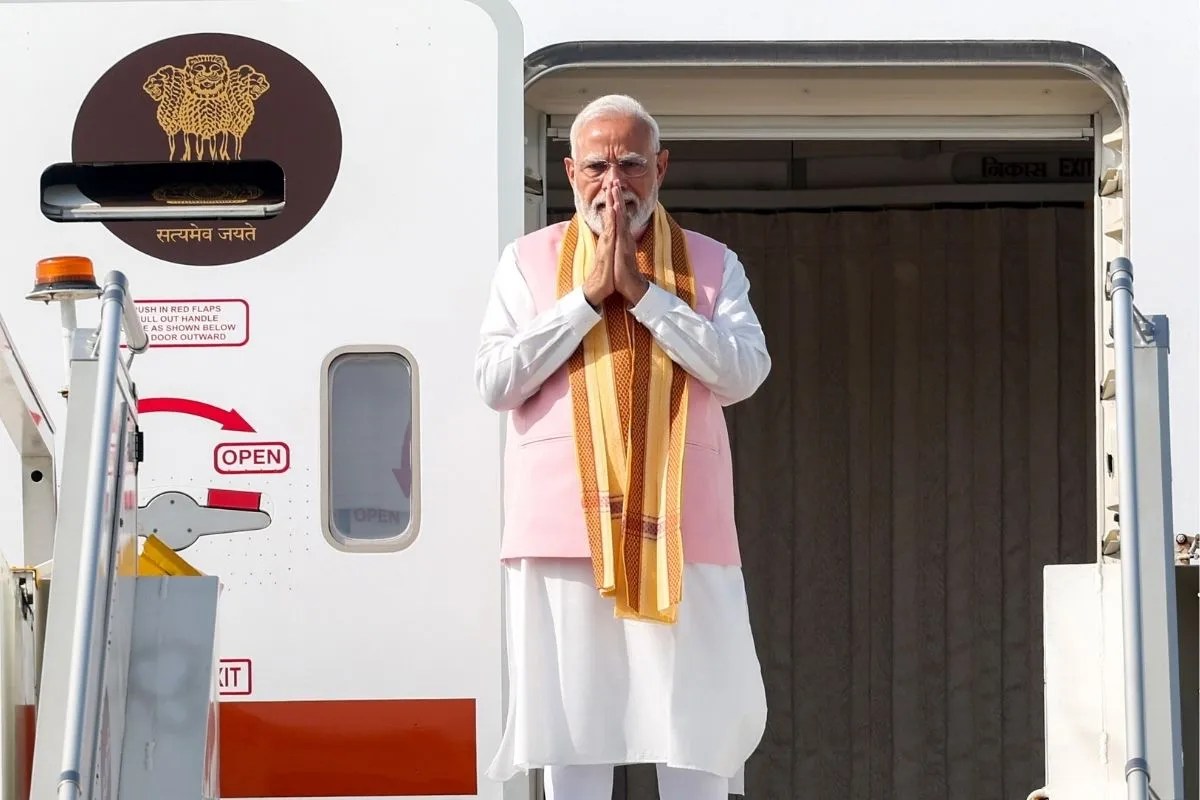
In the first photograph, taken on a crisp Tuesday morning in the shadow of the high Himalayas, the border is alive. It is loud. You can almost smell the diesel fumes of orange freight trucks idling along the narrow shelf of concrete cut into the gorge. Red, white, and blue prayer flags string across the iron railings of the crossing point, their edges frayed by years of mountain wind. Steam rises in thick plumes from aluminum pots outside wooden tea shacks. Drivers swap jokes in two languages, their hands wrapped around tin cups of scalding chai. Crates of Tibet-bound apples sit stacked beside bales of raw cotton and crates of electronics. Life here is thick, noisy, and enduring. It settles over the gorge like fine grey dust. Also making waves recently: The Structural Collapse of Student Work Visas and the Economic Mechanics of CPT Restrictions.
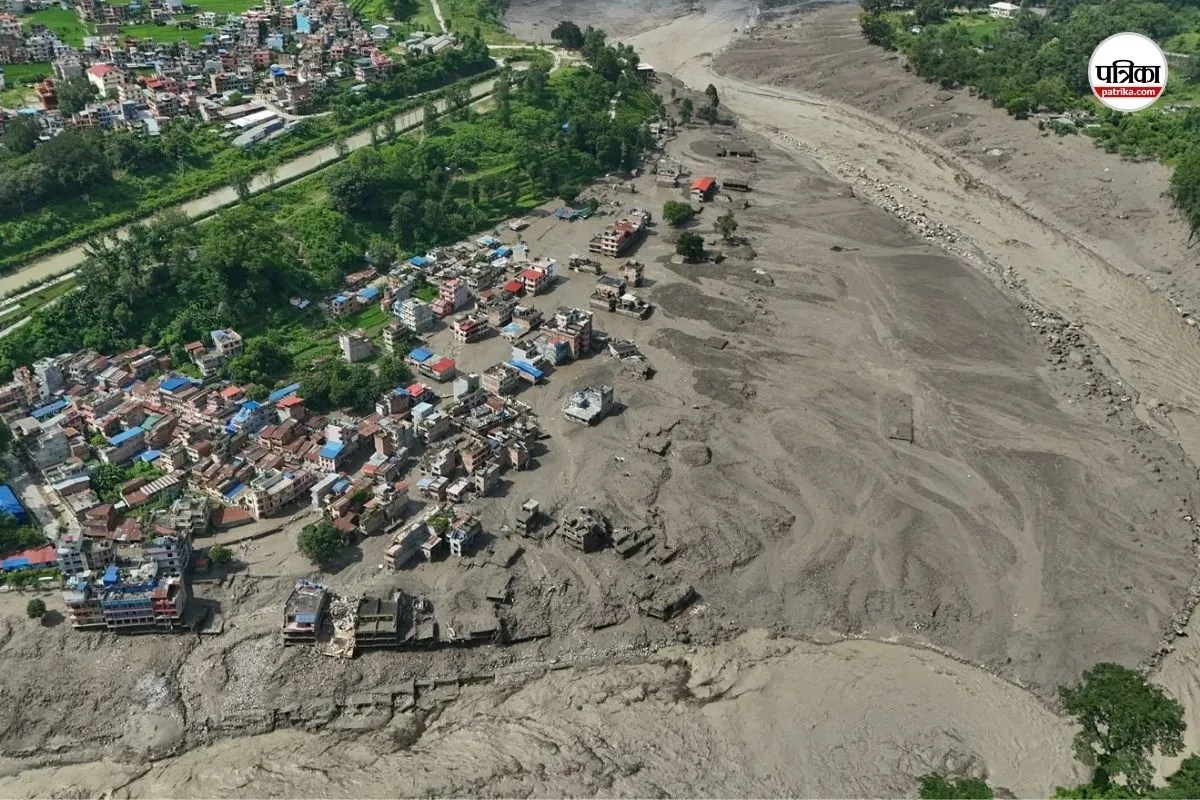
The second photograph was taken from the exact same bend in the canyon seventy-two hours later.
There is no town. There are no trucks. The road does not curve into the horizon; it simply stops in mid-air, sheared cleanly like a dry biscuit snapped between thumb and forefinger. Where a three-story customs building stood, there is only a slick slope of wet granite and crushed slate. The river below does not flow. It boils, dark and thick with pulverized earth, carrying away the remnants of a community that took generations to build. Additional information regarding the matter are covered by The New York Times.
Two images. One human reality erased in a breath.
The Sound Before the Mountain Breaks
To understand how a border disappears, you have to talk to the people who watched it happen. People like Dawa Tamang.
Dawa had run a small dry-goods stall near the edge of the Bhote Koshi river for fourteen years. He knew the river’s moods. He knew that in July and August, the water turned from glacial turquoise to a bruised slate grey, swelling as monsoon rains tore through the high passes. But he also knew the sound of normal danger. The river always roared. It was a constant, white-noise soundtrack to every transaction, every bowl of noodles, every sleep.
On that night, however, the sound changed.
"It wasn't the water," Dawa said, looking down at his cracked hands. "The water makes a splash. This was a grinding. A deep, heavy thud that you felt through the soles of your boots before you heard it with your ears."
Up in the high altitudes, far beyond where human eyes were watching, a natural glacial dam had given way. Millions of tons of meltwater, trapped behind fragile walls of ice and mud, burst free in an instant. The water coursed down narrow mountain fissures, picking up rocks, fallen timber, and entire hillsides as it fell thousands of feet toward the valley floor.
It did not arrive as a wave of liquid. It arrived as a liquid mountain of wet concrete moving at fifty miles an hour.
By the time the alarms sounded—a frantic series of shouts passing from one tin roof to the next—the riverbed was already rising. It rose six feet in three minutes. Then twelve feet. Then the bank gave way.
Anatomy of an Invisible Catastrophe
When disasters strike remote borderlands, the world usually sees the numbers long after the mud has dried. Reports cite statistics: meters of road washed out, tons of trade delayed, estimated financial losses running into tens of millions of dollars.
Those figures obscure the invisible web that holds places like this together.
Border towns are not just places where trucks stop; they are living organs of survival. A single mountain crossing like the one connecting Nepal’s steep valleys to the Tibetan plateau is an artery for thousands of mountain villages. Through this choke point pass the quiet necessities of mountain life: medicine, kerosene, salt, roofing tin, and school notebooks.
When the flash flood ripped through the canyon, it did not just collapse asphalt. It severed a lifeline.
Consider what happens next: a village twenty miles up a neighboring ridge suddenly finds its market gone. The truck drivers who brought goods from the lowlands are stranded on a broken ribbon of road with no food and nowhere to turn around. The shopkeepers whose inventory was washed into the river are left holding debts for goods that no longer exist.
The disaster is instant, but the damage moves outward in slow, heavy ripples.
The Concrete That Failed
For decades, modern engineering has tried to tame these vertical spaces. We build retaining walls. We drive steel anchors forty feet deep into wet granite. We paint yellow lines down narrow highways and pretend the mountains will respect them.
This floods reminds us of a quiet, terrifying truth: the Himalayas are not solid ground. They are a moving, living, incredibly young mountain range that is still rising, still crumbling, and entirely indifferent to concrete.
When thousands of tons of slurry swept down the river channel, the heavy steel beams of the Friendship Bridge didn't bend. They snapped. The concrete abutments, poured with specialized cement intended to withstand extreme temperatures, were undercut in seconds as the river scoured the bedrock beneath them.
A driver who managed to sprint up the hillside seconds before his vehicle was taken described watching his truck vanish. "It didn't roll over," he recalled. "The mud reached under it, lifted it off the tires, and swallowed it whole. It was there, and then it was just part of the river."
When the water finally retreated days later, it revealed a landscape devoid of human geometry. No right angles remained. No straight lines. Just the raw, jagged curve of a fresh scar down the canyon wall.
The Silence Left Behind
In the days after the flood, rescue crews moved through the debris with long metal probes, their orange vests bright against the monotone grey of wet slate and clay. But there was little to dig out. The river does not leave ruins to search through; it carries everything down toward the plains, scattering lives across fifty miles of brown, raging current.
Survivors gathered on the higher ground above the washout. They sat on woven mats under blue plastic tarps, watching the water continue its frantic march downward.
There was no anger in their voices. Only a heavy, exhausted shock.
When you live at the edge of the earth, you accept a quiet contract with the landscape. You accept that the road might fall away tomorrow, that winter might lock the passes for months, that the river might claim a field or a barn. But seeing an entire border hub—its customs offices, its hotels, its homes, its history—reduced to a single bank of mud in a matter of minutes changes how you look at the mountain.
It makes the solid earth feel like water.
Down in the gorge, the river still roars. A lone prayer flag, ripped from its pole and tangled in the branches of a fallen pine tree, dips repeatedly into the muddy current, washing clean and dirty all at once.