The cancellation of the Cinco de Mayo parade in Little Village is not just a scheduling conflict or a lack of funding. It is a surrender. For the second time in recent history, organizers in one of the most vibrant Mexican-American corridors in the United States have pulled the plug on their signature celebration. The stated reason remains a chilling constant: the persistent threat of immigration enforcement and the logistical nightmare of protecting a community that feels increasingly like a target.
While the city of Chicago often touts its "sanctuary" status, the reality on the ground in neighborhoods like Little Village tells a different story. A sanctuary is only as strong as its borders, and when rumors of ICE raids begin to circulate through encrypted messaging apps and local storefronts, the theoretical protections of municipal policy crumble. Organizers are making a calculated, albeit painful, decision to prioritize the physical safety and mental well-being of their neighbors over a few hours of public revelry.
The Architecture of Anxiety
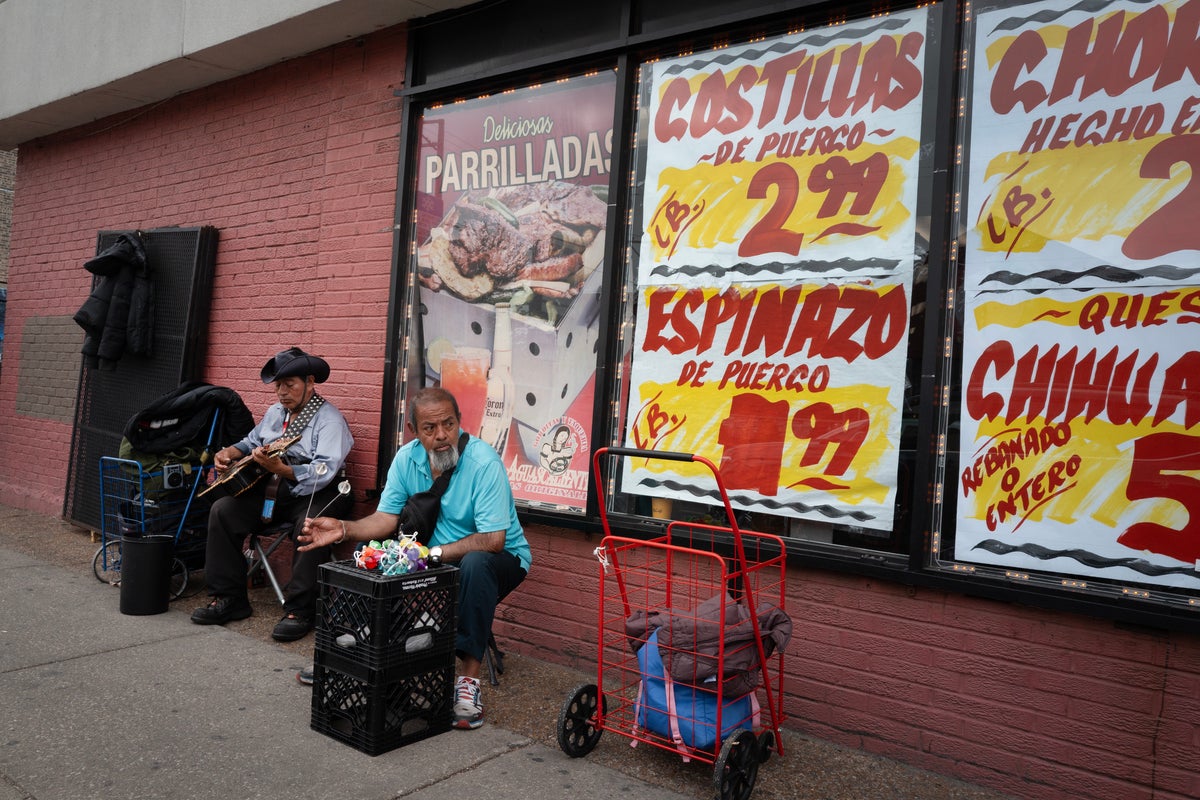
The decision to cancel a major cultural event does not happen in a vacuum. It is the result of a slow-burn erosion of trust between the community and the institutions meant to protect them. In Chicago, the 26th Street corridor is the economic engine of the Mexican community. On a normal weekend, the sidewalks are packed. During Cinco de Mayo, that energy usually triples.
However, the logistics of a parade require a massive police presence, road closures, and high-visibility checkpoints. To a suburban observer, these are signs of an organized event. To a resident without permanent legal status, these are potential traps. The sight of flashing lights and uniformed officers, even those from the Chicago Police Department (CPD), can trigger a panic response. In a neighborhood where nearly every family is "mixed-status"—meaning some members are citizens while others are not—the risk of a single interaction turning into a deportation proceeding is too high to ignore.
The Gap Between Policy and Street Reality
Chicago’s Welcoming City Ordinance is designed to prevent local police from collaborating with federal immigration authorities. It is a landmark piece of legislation that activists fought for over decades. Yet, federal agents do not need a permit from the mayor to operate on public streets.
When ICE decides to conduct "targeted enforcement operations," they often utilize the same windows of time when large groups are gathered. This creates a tactical dilemma for community leaders. If they move forward with the parade, they are essentially providing a centralized location for federal surveillance. If they cancel, they lose a piece of their cultural identity. Currently, the fear of the "knock at the door" has been replaced by the fear of the "stop on the street."
The Economic Toll on 26th Street
The fallout is not purely psychological. There is a massive financial blow dealt to the local economy every time a major event is scrapped.
- Street vendors who rely on the surge of foot traffic lose their most profitable weekend of the year.
- Brick-and-mortar shops that stock up on themed inventory are left with a surplus they cannot move.
- Small businesses that sponsor the floats and bands lose the visibility they paid for months in advance.
This isn't just about missing a party. It is about the destabilization of a local economy that is already fighting against gentrification and the rising costs of doing business in a major metropolitan area. When the parade dies, the revenue that sustains these shops through the leaner winter months goes with it.
The Role of Misinformation and the Digital Whisper Network
We cannot ignore the role of social media in these cancellations. In the weeks leading up to the scheduled event, WhatsApp groups and Facebook pages become breeding grounds for both valid warnings and baseless rumors.
A "sighting" of a white van near a local grocery store can be amplified a thousand times within an hour. By the time organizers try to verify the information, the narrative is already set: the feds are coming. This digital whisper network creates a feedback loop of trauma. Organizers find themselves in a position where they cannot guarantee the safety of attendees—not because they expect a raid, but because they cannot prove one won't happen. The burden of proof has shifted. In the current climate, a gathering is considered dangerous until proven safe.
Political Posturing versus Community Protection
Local politicians often use these moments to grandstand about the need for federal immigration reform. While those calls are legitimate, they offer cold comfort to a family in Little Village that is currently hiding behind closed blinds.
There is a growing frustration with the disconnect between City Hall’s rhetoric and the lived experience of the Southwest Side. If Chicago is truly a sanctuary, why are its flagship cultural events being shuttered by federal shadows? The inability of local government to provide a psychological "clearance" for its residents suggests that the sanctuary designation is more of a legal shield than a functional reality.
The Logistics of Fear
Planning a parade involves months of permits, insurance, and security contracts. When an organization like the Casa Jalisco or other local groups spearhead these events, they are on the hook for thousands of dollars in non-refundable deposits.
Why Not Just Increase Security?
Some critics argue that the solution is more security, not cancellation. This misses the point entirely.
- Cost: Private security for a multi-block parade is prohibitively expensive for non-profit organizers.
- Optics: More "security" usually means more people in tactical gear, which only heightens the sense of being in a high-conflict zone.
- Liability: If an incident were to occur—whether a raid or a protest—the organizers could face staggering legal repercussions.
The choice to cancel is an admission that the environment has become too volatile to manage. It is a white flag raised in the face of a federal policy that uses uncertainty as a weapon of control.
Beyond the Parade Route
The cancellation of the Cinco de Mayo parade is a canary in the coal mine for other cultural expressions in the city. If the Mexican community in Little Village—one of the most politically organized and culturally dense areas in the country—cannot safely host a parade, what does that mean for smaller, less resourced groups?
We are seeing a retreat from the public square. This is the "chilling effect" in its most literal form. It’s the gradual disappearance of the things that make a city a community. When celebrations are moved behind closed doors or into private halls, the pulse of the neighborhood weakens. The street, which has always been the stage for immigrant life in Chicago, becomes a place of transit rather than a place of belonging.
The Missing Counter Narrative
It is worth noting that some community members feel the cancellation is an overreaction that gives the federal government exactly what it wants: a cowed and invisible population. These voices argue that the parade should be a form of protest, a defiant display of presence in the face of exclusion.
However, that perspective often comes from those with the privilege of documented status. For a person with a pending U-visa or a DACA recipient whose status is tied up in court challenges, "defiance" is a luxury they cannot afford. The organizers are not just planning a party; they are managing the collective risk of thousands of individuals.
The Structural Failure of the Sanctuary Concept
The term "Sanctuary City" has become a political football, but in the context of the Little Village parade, it reveals a structural flaw. A city can refuse to share data with the Department of Homeland Security, but it cannot stop a federal agent from standing on a street corner.
The fear that shuttered the parade is rooted in this jurisdictional gap. Until there is a fundamental shift in how federal immigration policy interacts with local communities, the "threat" will always be present. The cancellation is a rational response to an irrational system. It is the sound of a community choosing survival over celebration.
The streets of Little Village will be quieter this May. The floats will remain in warehouses, and the costumes will stay in closets. For those who see this as a simple matter of logistics or "fear-mongering," they need only walk down 26th Street and ask a shopkeeper how they feel about the silence. This isn't just a cancelled parade. It is the visible footprint of a shadow that has grown too large to ignore.
Community leaders must now find new ways to celebrate that do not involve placing their most vulnerable members in a spotlight. This shift toward "decentralized" celebration—smaller, house-based or business-based events—might be the future of cultural expression in an era of high-stakes enforcement. It is a more resilient model, perhaps, but it lacks the defiant joy of a parade. The loss of that public joy is a debt that the city will eventually have to pay.
Look at the empty parade route not as a failure of the neighborhood, but as a failure of the state to provide the very sanctuary it promises. When a community is too afraid to dance in the street, the "sanctuary" is just a word on a piece of paper.