Party operatives in Washington are currently nursing a dangerous hallucination.
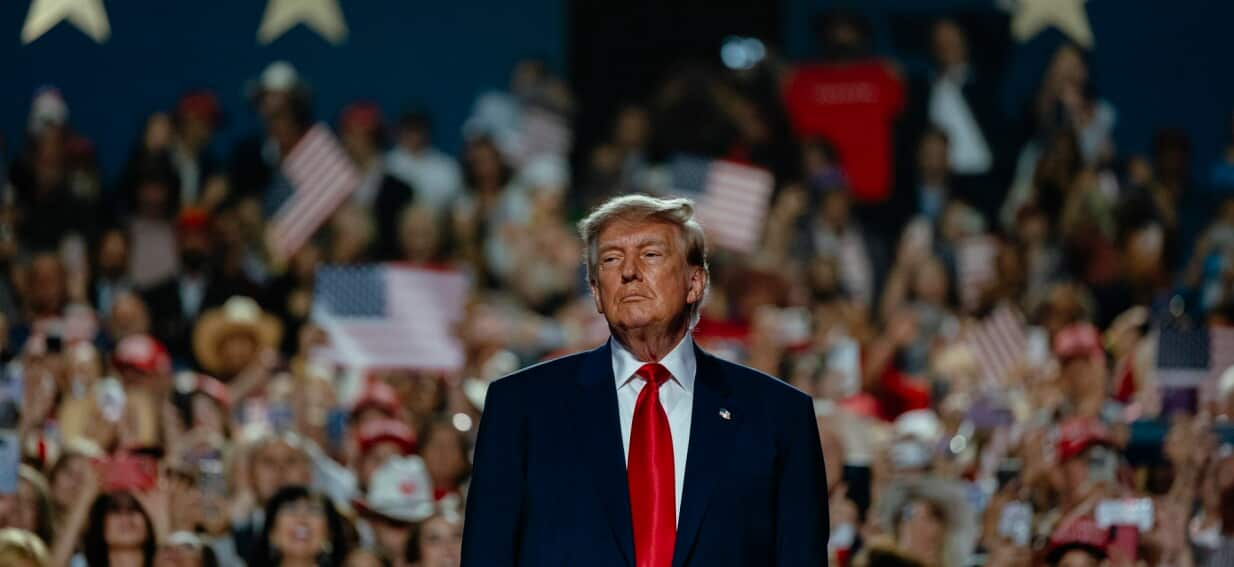
The standard narrative bouncing around cable news networks and insider newsletters goes like this: Donald Trump’s latest wave of voter backlash will naturally lift Democrats to effortless midterm victories. The opposition party just has to sit back, stay out of their own way, and let the incumbent administration's self-inflicted wounds do the heavy lifting. Expanding on this topic, you can also read: Inside the Siren Hacks Turning Emergency Broadcasts into Psychological Weapons.
It is a comfortable, conventional story. It is also dead wrong.
Having watched party strategists blow hundreds of millions of dollars across consecutive cycles on this exact miscalculation, the pattern is unmistakable. Relying on "voter backlash" as a primary campaign strategy is not just lazy—it is political malpractice. National disapproval rates do not automatically translate into regional turnout, and assuming they do ignores the structural mechanics of modern American elections. Experts at Associated Press have also weighed in on this situation.
The Backlash Myth: Disapproval Is Not a Strategy
Mainstream political coverage routinely conflates voter dissatisfaction with voting intent. They look at sagging approval numbers, project those metrics onto a national map, and declare a wave election.
That is not how electoral maps work.
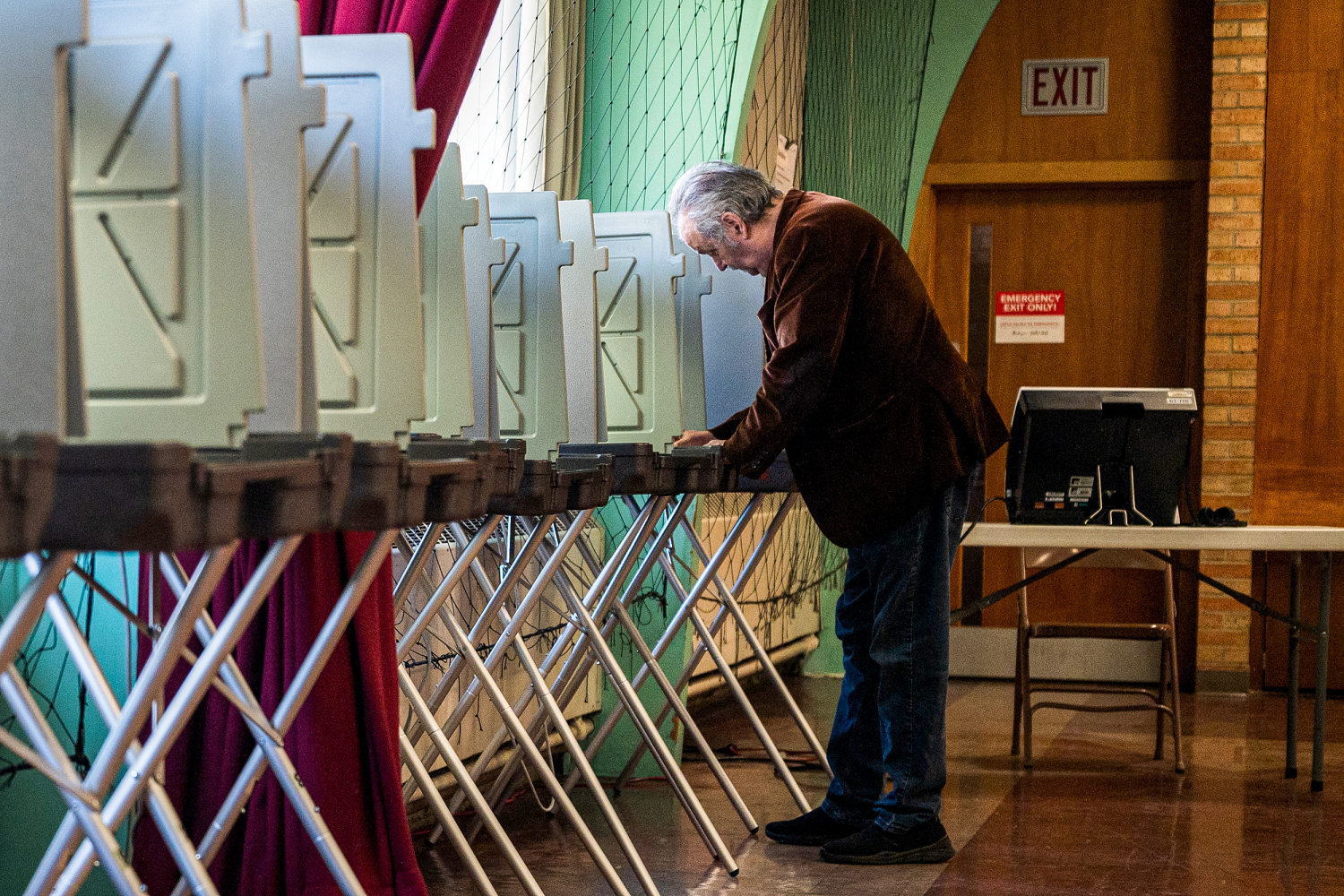
When voters register frustration with an incumbent administration, their default action is not to sprint to the opposition booth. Their default action is to stay home. Outrage produces retweets; it rarely guarantees a trek to a polling place on a rainy Tuesday in November.
During my time analyzing district-level turnout models, one truth became baseline reality: negative partisanship has a hard ceiling. You can easily convince a voter that the current administration is messing up. Getting that same voter to enthusiastically back your candidate requires a clear, compelling reason to show up.
When Democrats mistake public fatigue for active endorsement, they build campaigns around anti-incumbent grievances instead of economic utility. The result is a fragile coalition built on thin air.
The Suburban Trap and the Death of the National Swings
The core thesis of the "nauseous optimism" narrative rests on winning back suburban independents. The assumption is that suburban swing voters behave like a single, predictable hive mind that swings back and forth based on the daily news cycle.
They don't.
Suburban voters are deeply compartmentalized. A family in the Philadelphia suburbs cares about property tax assessments, public school funding, and local infrastructure far more than whatever controversy dominated Washington on a given Thursday.
When national political committees flood local markets with generic anti-Trump messaging, they burn capital on voters who have already tuned out national noise.
┌────────────────────────────────────────────────────────┐
│             THE MIDTERM turnout ILLUSION               │
├────────────────────────────────────────────────────────┤
│  Current Strategy: Focus on Incumbent Disapproval      │
│  [Incumbent Mistakes] ──> [Outrage] ──> [Apathy/Home]  │
│                                                        │
│  Winning Strategy: Focus on Micro-Economic Delivery     │
│  [Local Utility] ──> [Perceived Value] ──> [Turnout]   │
└────────────────────────────────────────────────────────┘
The math on this is relentless:
- High-density suburban districts require hyper-local economic arguments.
- Blanket national outrage campaigns diminish returns after the first three weeks.
- Turnout drops fastest among lower-propensity voters when the opposition offers no affirmative policy framework.
If your entire midterm platform can be reduced to "we are not the guy currently in power," you are forfeiting the voters who decide tight races.
Why the Standard "People Also Ask" Questions Miss the Mark
Political media spends endless cycles addressing the wrong questions because their baseline premises are broken.
"Will independent voters hand the midterms to the opposition?"
Wrong frame. Independents are not a monolithic block waiting to be handed over. Most self-identified independents are actually closet partisans who vote consistently with one side when they turn out. The real question is whether low-propensity partisans will bother showing up without a tangible incentive.
"How much does presidential approval impact down-ballot races?"
It matters far less than it did twenty years ago. Ticket-splitting is at historical lows, but ticket-dropping—voting for top-of-ticket candidates while ignoring down-ballot lines, or skipping the election entirely—is at an all-time high. A bad presidential approval rating creates an opening, but an opening is not a victory.
The Hard Truth About Midterm Coalitions
Let's look at the actual trade-offs of shifting strategy mid-cycle.
Taking a hard-line, affirmative stance on core economic issues—housing costs, wage growth, targeted infrastructure—will alienate certain corporate donors who prefer generic, low-risk campaigns. It requires picking fights within your own coalition. It forces candidates to take clear stances that can be clipped and used in attack ads.
That is the downside. And it is a risk most D.C. consultants are too cowardly to take.
| Campaign Strategy | Primary Risk | Conversion Efficiency | Long-Term Retainability |
|---|---|---|---|
| Passive Anti-Incumbent Outrage | Low turnout among core base; weak local engagement | Low | Extremely Low |
| Hyper-Local Economic Delivery | Internal donor friction; targeted opposition response | High | High |
| Generic National Messaging | Wasted ad spend; message fatigue | Moderate-Low | Negligible |
Choosing to run on pure opposition backlash is the easy road for campaign managers because it absolves them of responsibility if turnout drops. If you run on "backlash" and lose, you blame the electorate's apathy. If you run on a distinct, aggressive agenda and lose, you take the blame for the policy stance.
Washington consultants pick the safe failure every single time.
Stop Praying for Mistakes; Start Building Utility
Imagine a political campaign that treats voters like customers evaluating a service rather than partisans executing a moral duty.
Customers do not switch providers simply because their current provider made a mistake. They switch when the alternative offers a clear, superior utility at a manageable transaction cost.
If Democrats want to convert their "nauseous optimism" into actual legislative majorities, they need to execute three immediate course corrections:
- Fire the national outrage vendors. Cut the budget for generic television ads highlighting federal controversies. Reallocate those funds directly into field operations focused on local economic friction points.
- Offer explicit policy trade-offs. Stop trying to be everything to every suburban demographic. State clearly what you will pass, who will pay for it, and how quickly it will take effect.
- Abandon the defensive posture. When the incumbent administration makes a move, do not just hold a press conference expressing shock. Roll out the exact legislative counter-proposal the following morning.
Relying on your opponent's unpopularity is a strategy for political atmospheric monitoring, not political leadership.
The voters aren't waiting to save you just because they're mad at the other side. Give them a reason to walk through the door, or get comfortable losing.