If you think Napa Valley is exclusively about crowded tasting rooms and overpriced Cabernet, you're missing half the story. Right now, a quiet revolution is playing out across the Carneros region. The di Rosa Center for Contemporary Art just handed over development rights for a massive chunk of its historic estate to save it from bulldozers.
This isn't just a win for local conservationists. It’s a blueprint for how struggling cultural hubs can monetize their open space without selling out to luxury resort developers. Let's break down what actually happened, why it matters, and how it impacts anyone who loves hiking and modern art in Northern California.
The Numbers Behind the Carneros Deal
Let’s look at the raw specs of the agreement finalized by the Land Trust of Napa County. We aren't talking about a small backyard easement.
- Total estate size: 217 acres
- Protected acreage: 162 acres (roughly 75% of the entire property)
- Retained cultural campus: 53.5 acres
- Immediate financial injection: $500,000 for di Rosa
- Contingent funding: Up to $1.35 million tied to the November passage of Measure B
The Land Trust holds the permanent conservation easement. Meanwhile, the Napa County Regional Park and Open Space District stepped up to own and operate the future public parkland.
Most private landowners in Napa sit on golden real estate and cash out the second market conditions favor luxury hospitality. Di Rosa chose a different path. By permanently locking down the upper ridgelines, they kept their core philosophy intact: art belongs outside, tangled up with nature.
Opening Up Milliken Peak
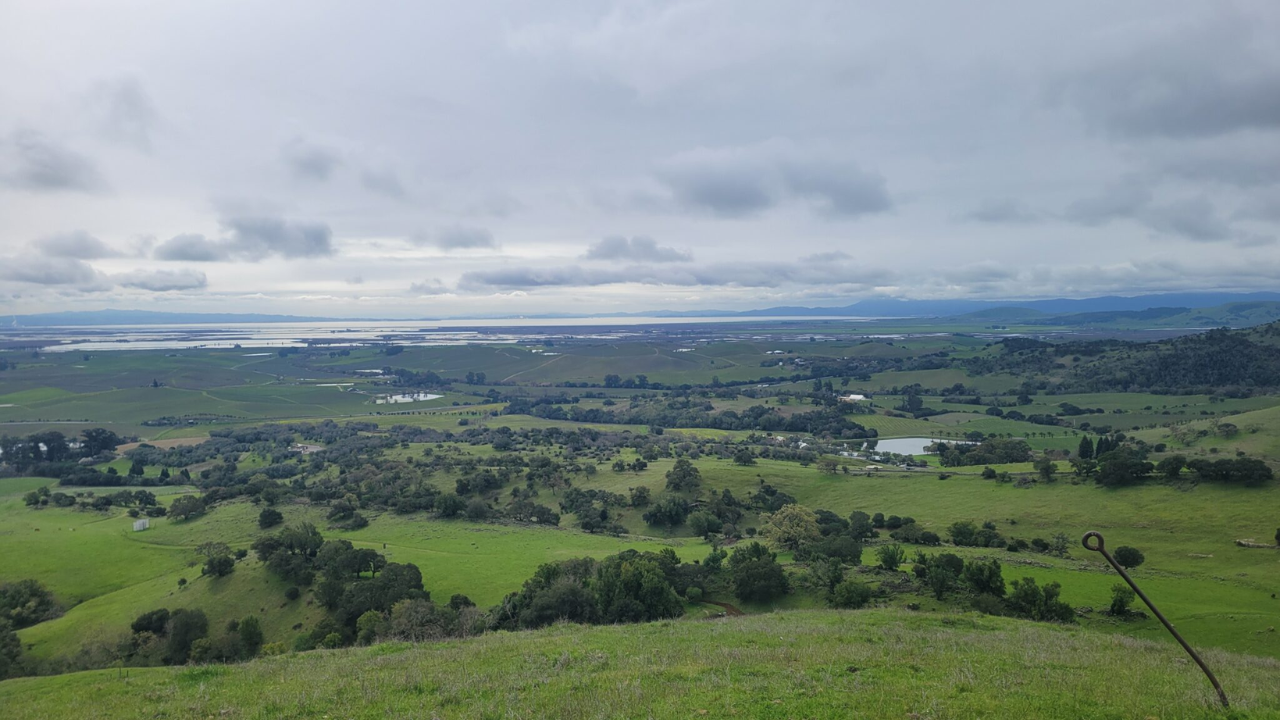
If you've ever hiked up to Milliken Peak—the 732-foot summit that lords over the Carneros landscape—you know how striking the views are. Up until now, access has been strictly gated behind docent-led tours and special programming.
That is about to change.
The agreement paves the way for a brand-new public trail system, including a roughly two-mile route leading straight to the summit. Better yet, the organizers plan to line sections of this path with large-scale sculptures pulled directly from the di Rosa collection. Imagine grinding up a steep regional incline only to stumble upon a massive contemporary art installation framed by sweeping valley vistas.
It’s a rare marriage of civic recreation and high art. Public parks usually offer dirt, trees, and maybe an informational plaque. This one will feature world-class Northern California art integrated into native wildlife habitats and vital local watersheds.
Why Di Rosa Had to Make This Move
Cultural institutions across the country are bleeding money. Post-pandemic shifts in tourism, rising operational overhead, and changing donor habits mean that traditional gallery admissions alone won't keep the lights on.
Di Rosa holds one of the premier collections of Northern California contemporary art anywhere, sitting on property originally assembled by visionary collector Rene di Rosa. But running a sprawling outdoor sculpture park is expensive.
Instead of selling off parcels for housing or commercial vineyards—a constant temptation in high-value Napa—leadership leveraged their dirt to save their mission. The initial half-million-dollar payout provides breathing room, while the potential $1.35 million from Measure B could secure their financial footing for years.
Board President Gordon Huether nailed the sentiment when he noted that the partnership opens doors for more people to experience both art and the natural world without compromising the landscape.
What This Means for Visitors Right Now
Don’t grab your hiking boots and head out the door expecting an open gate tomorrow morning. The rugged ridge and future trail zones remain temporarily closed while planners map out infrastructure, parking, and wildfire management strategies.
The Napa Open Space District and the Land Trust still need voters to clear Measure B this November to unlock the full construction and maintenance funds.
If you want to experience di Rosa today, you have to stick to their established channels. The 53.5-acre lower campus—housing the primary galleries and the famous Sculpture Meadow—remains fully open and operational under di Rosa's direct ownership. You can still book visits, check out current exhibitions, and join their regular guided docent hikes while the grander public park blueprint moves through local government channels.
Keep an eye on the November ballot if you care about regional open space. A vote for Measure B is basically a vote to turn this private art sanctuary into a permanent public backyard. Support local institutions, protect your ridgelines, and get ready for a trail system unlike anything else in wine country.