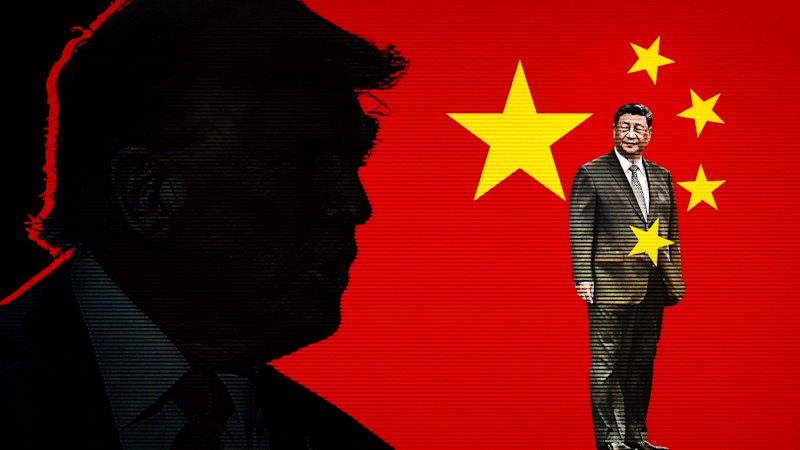
International statecraft relies heavily on strategic signaling, where symbolic gestures serve as operational inputs designed to influence bilateral negotiations. When high-level diplomatic engagements are framed through media spectacles, the underlying objective is rarely ornamental. Instead, choreography functions as a mechanism for domestic coalition management, deterrence signaling, and the establishment of leverage prior to formal bargaining sessions.
The Structural Mechanics of State Visits
High-level diplomatic summits operate under strict economic and political constraints. The allocation of official pageantry—often colloquially termed the "rock star treatment"—is a calibrated variable in international relations. Governments utilize grand receptions to lower the political cost of concessions for visiting heads of state or to project domestic strength. If you found value in this post, you should read: this related article.
From a strategic perspective, the timing of such spectacles coincides with critical inflection points in trade, security, or territorial negotiations. By elevating the profile of a counterpart, the host administration signals intent to stabilize relations or, conversely, creates high visibility that raises the reputational costs of defection from agreements.
Information Asymmetry and Bargaining Leverage
Negotiations between major economic powers are characterized by asymmetric information regarding domestic political vulnerabilities. Public spectacles serve as a mechanism to signal credibility. When a government commits significant political capital and state resources to an elaborate reception, it makes a public commitment that increases the domestic cost of a sudden diplomatic rupture. For another angle on this development, see the recent update from Al Jazeera.
This signaling model shifts the bargaining dynamic:
- Signaling Resolve: High-visibility staging demonstrates to domestic and international audiences that the administration is invested in a negotiated outcome.
- Audience Costs: The public nature of the summit constrains both leaders, narrowing the acceptable policy space for compromise and compelling tangible deliverables to justify the theatrical buildup.
- Narrative Control: Choreographing the narrative preempts domestic opposition by framing the engagement as an assertion of national leadership.
The Cost Function of Diplomatic Spectacle
While pageantry can facilitate dialogue, it introduces distinct risks. If a summit yields no substantive policy agreements, the disparity between the theatrical investment and the practical outcome generates negative political returns. Consequently, strategic planners evaluate the expected utility of the spectacle against the baseline of quiet, backchannel diplomacy.
When public fanfare is deployed as a precursor to negotiations, it functions as a costly signal—one that is difficult to fake because failure carries measurable reputational penalties for both leadership teams. The ultimate efficacy of these engagements is measured not by the warmth of the reception, but by the structural concessions codified after the cameras turn off.