Diplomacy is rarely a quiet affair. Beneath the polished veneer of international summits and carefully worded press releases lies a constant, relentless undercurrent of strategic positioning. When a nation's leader steps forward to endorse a controversial figure for the world's most prestigious peace accolade, it is never merely an act of casual goodwill. It is a calculated move on a chessboard where every single piece carries the weight of statecraft.
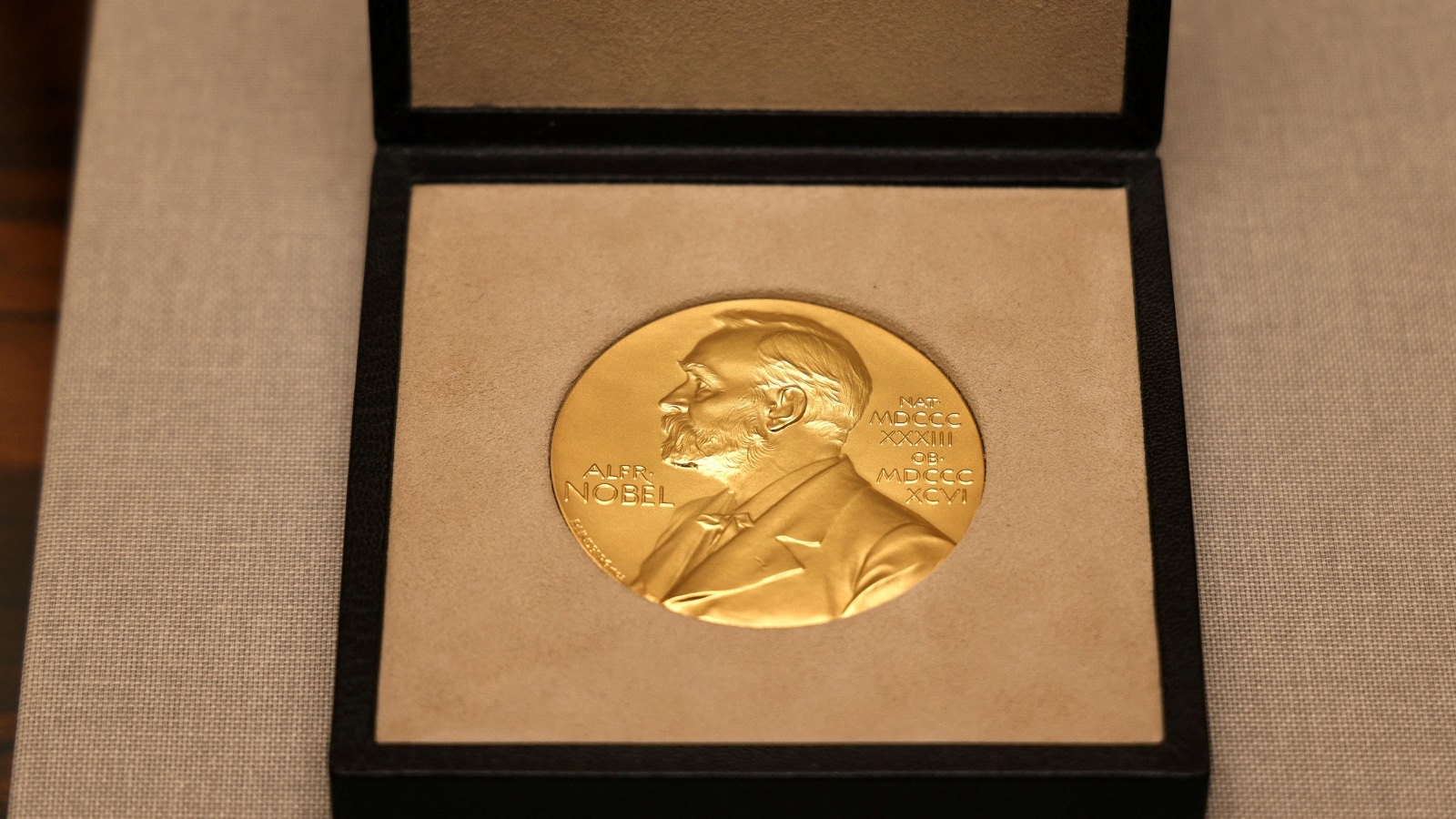
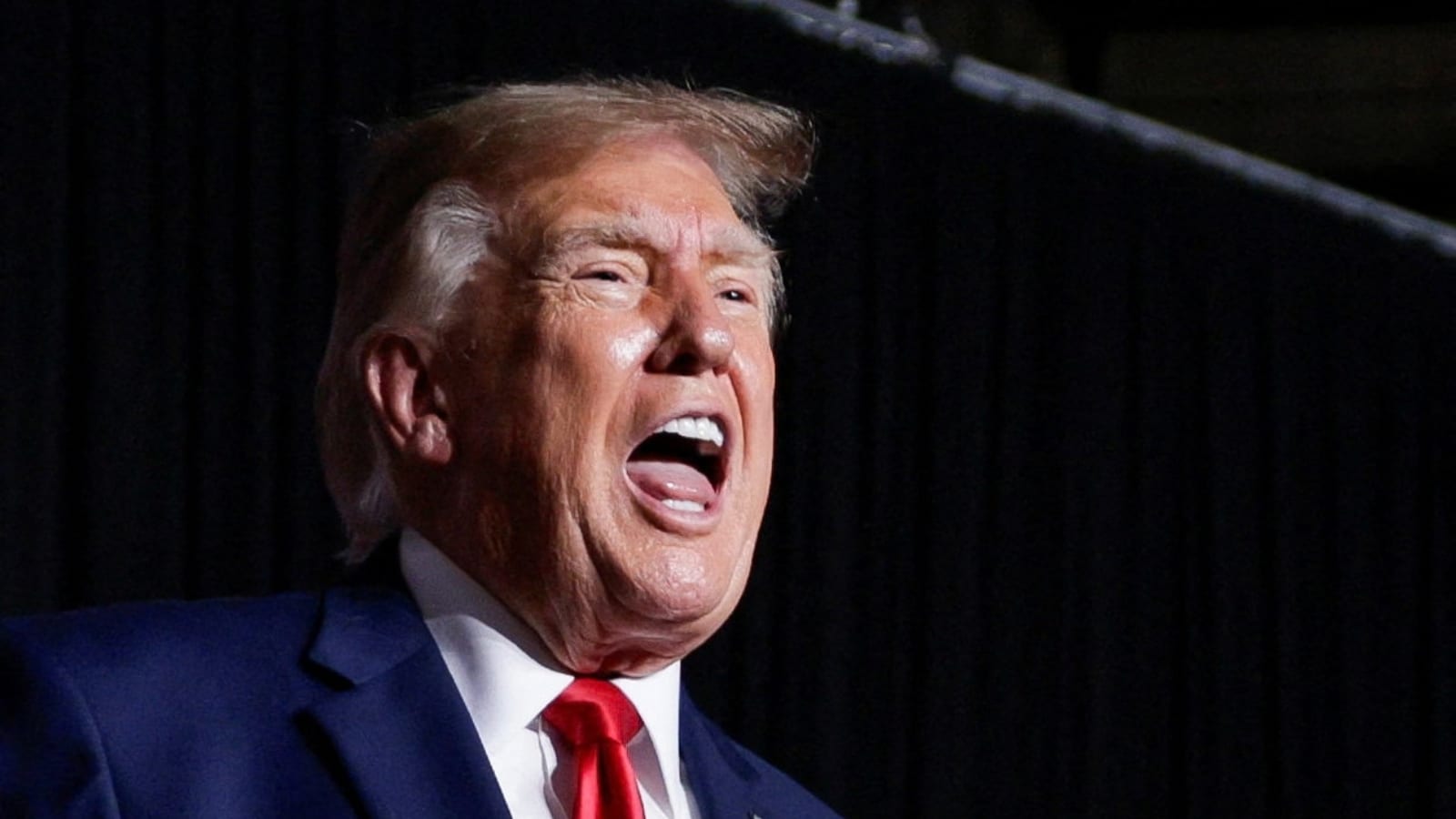
Consider the recent announcement from Islamabad. Prime Minister Shehbaz Sharif publicly threw his weight behind Donald Trump's nomination for the Nobel Peace Prize. This endorsement arrived in the wake of a notable snub during the previous award cycle. To the casual observer, this might look like an isolated headline, a fleeting moment in the 2026 news cycle. Look closer. If you found value in this piece, you might want to look at: this related article.
Geopolitics operates on memory and anticipation. Leaders do not offer public backing without weighing the intricate balance of bilateral ties, economic corridors, and regional security. The historical friction between nations often demands creative bridges. By aligning his administration with a prominent political figure from the United States, Sharif is engaging in a time-tested tradition of alliance-building.
Negotiation tables are crowded with invisible stakes. Trade agreements hang in the balance. Defense partnerships require constant nourishment. When public figures make grand gestures of support, they are frequently signaling to domestic audiences and foreign capitals alike that channels remain open, fluid, and ready for transactional diplomacy. For another angle on this development, see the latest update from The Guardian.
The Nobel committee's decisions have always sparked intense debate. Every year brings a chorus of approval alongside waves of profound skepticism. Yet the prize itself remains a potent symbol of global validation. To endorse someone who missed out on the honor is to court narrative influence. It shapes perceptions. It rewrites the script of political redemption.
Power is fluid. Alliances shift like desert sand under a midnight wind. What seems paradoxical today often becomes the foundational premise of tomorrow's policy shifts. The art of international relations requires actors to look past immediate headlines and anticipate the long-term reverberations of a single endorsement.
History will record these moments not merely as bullet points in a ledger, but as chapters in a much larger story of mutual interest and pragmatism. Every statement is a seed planted in diplomatic soil. Some wither in the harsh light of changing regimes. Others grow into enduring partnerships.
The dance continues. The music rarely stops. Leaders rise, fall, and return to the global stage, while the machinery of statecraft hums on, indifferent to the transient nature of public applause.