A September sun beat down on Utah Valley University, casting long shadows across a courtyard where three thousand people had gathered for a political debate. Energy hummed in the autumn air. Signs fluttered. Voices argued over the future of a country already fractured by its own reflection. Then came a crack. Just one.
A single bullet from a rooftop one hundred and forty-two yards away transformed a chaotic public spectacle into a permanent silence. Charlie Kirk fell, and the political fault lines of a nation instantly converged on a quiet Provo courtroom.
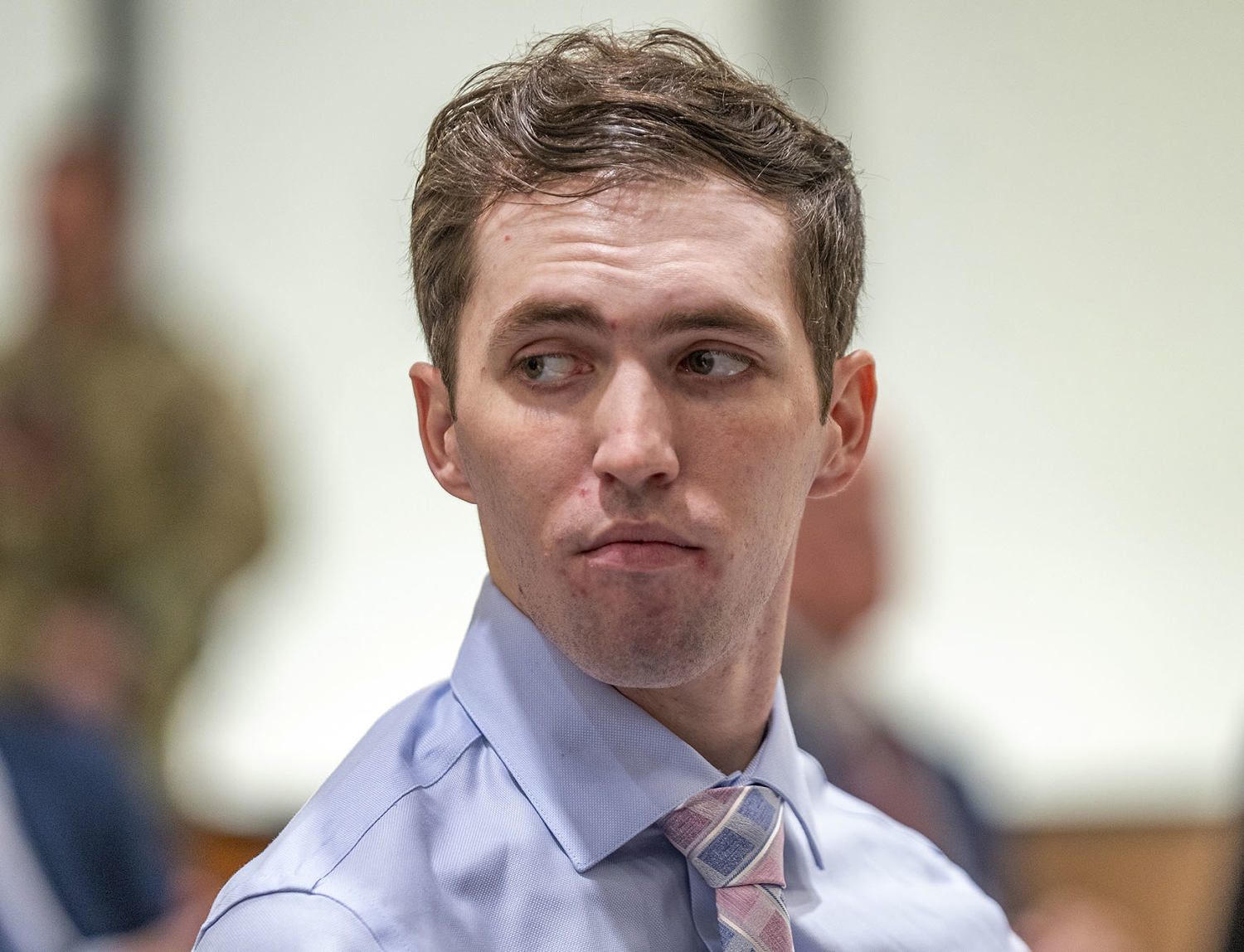
Months later, the air inside that courtroom feels heavier, weighted down by the ghosts of that afternoon and the looming shadow of the death penalty. Judge Tony Graf Jr. sits quietly, listening to the machinery of justice grind forward. At issue is not merely whether twenty-two-year-old Tyler Robinson pulled the trigger of his grandfather’s bolt-action Mauser rifle from the roof of the Losee Center. The preliminary hearing is a test of thresholds. Prosecutors argue the evidence is insurmountable—a digital paper trail of online confessions, DNA linked to engraved shell casings, and admissions made to a romantic partner.
The defense pushes back, meticulously picking at the edges of the state's case, questioning the reliability of DNA testing and fighting to strip away the capital murder aggravator. They argue over the definition of a stray bullet versus a calculated execution, turning ballistic trajectories into moral geometry.
In the gallery, the families sit in quiet agony. Erika Kirk and her relatives occupy space in a room where history is being coldly cataloged into evidence bags, exhibits, and transcripts. Outside, the world moves on with a jarring indifference, traffic flowing past campus borders while inside, a judge weighs whether a young life will be bound over to face the ultimate penalty.
There are no victors in preliminary hearings. There are only disclosures of grief, mechanical accountings of a tragedy, and the slow, agonizing crawl toward a trial that promises to test a community's capacity for both mercy and retribution. Judge Graf weighs his decision on whether probable cause demands a trial, and the courtroom holds its breath, waiting for the gavel to drop on a chapter that no one wanted written.


