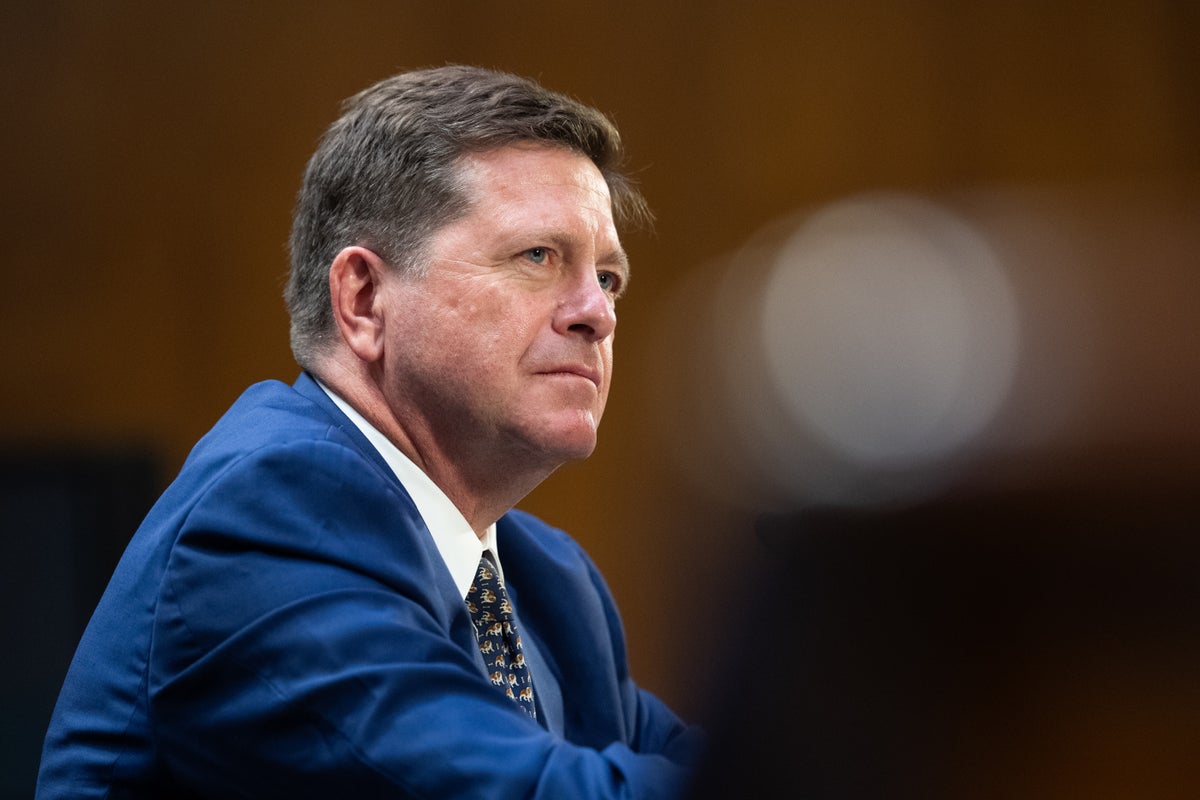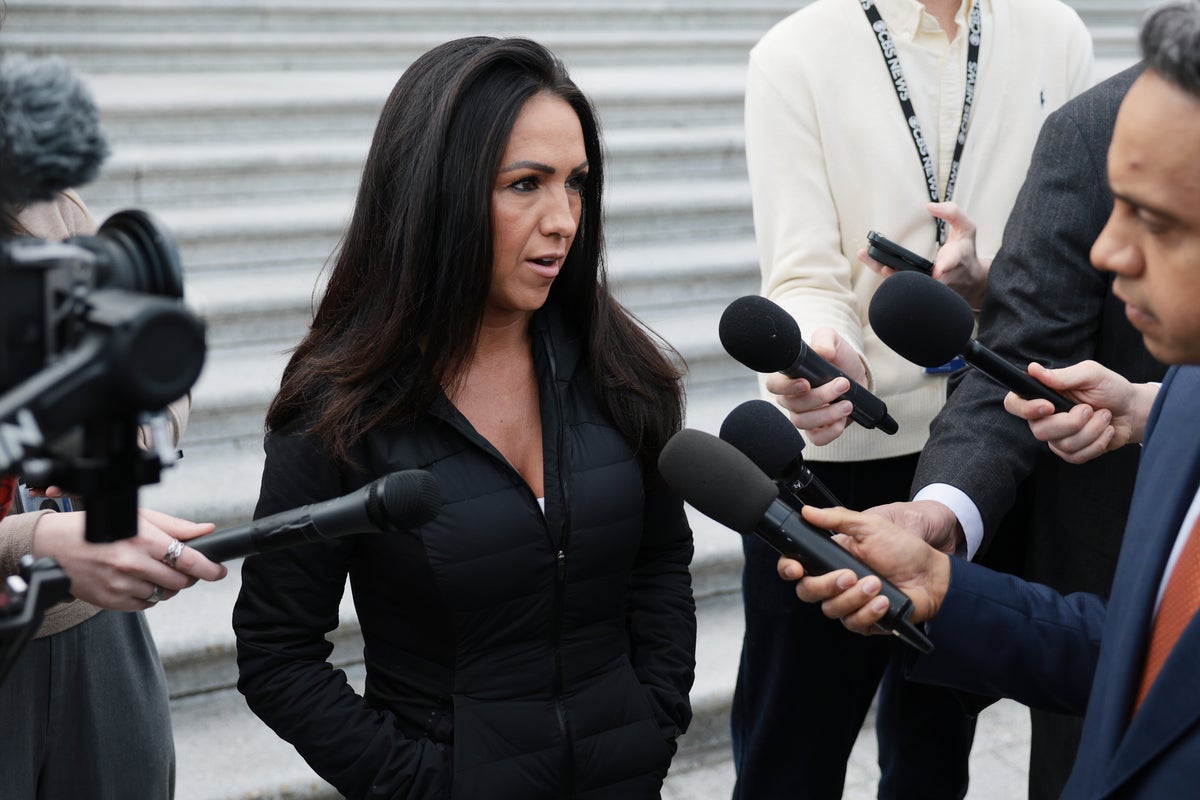
The room was built for heavy matters. Marble, microphones, high ceilings designed to hold the echoes of national destiny. On paper, the topic was simple yet massive: billions of dollars in military spending, defense readiness, and the cold arithmetic of foreign policy.
Then came the pivot.
When pressed on the details of national defense strategy, Representative Lauren Boebert did not cite troop numbers or budgetary line items. Instead, the conversation took an unexpected detour into cosmetic procedures—specifically, her personal experience with Botox.
Absurd? On the surface, absolutely. A surreal contrast between nuclear deterrence and facial aesthetics. But if you sit with that moment for more than a second, something far colder becomes clear. It was not merely a blunder. It was a symptom of a political system that has traded substance for performance.
The Architecture of Noise
Political discourse used to resemble a chess match. Today, it behaves much more like a street carnival. When a difficult question about defense allocations arises—questions that require technical knowledge, nuanced trade-offs, and uncomfortable financial admissions—a candidate faces a choice. Answer the question and risk boring the audience, or throw a flashbang.
Personal anecdotes about aesthetic treatments are the ultimate flashbang. They humanize, they disarm, and most importantly, they redirect.
Consider what happens in the immediate aftermath of a moment like that. The policy discussion dies instantly. Journalists stop parsing defense budgets. Social media feeds ignite with memes, outrage, and partisan defense. The actual topic—where public funds flow and who benefits from them—vanishes into thin air.
Noise wins. Every single time.
What Gets Left Behind
Imagine a small town where the local bridge is crumbling. The mayor holds a press conference to address the structural integrity of the steel beams. A citizen asks, "Mr. Mayor, how are we going to pay the forty million dollars needed to repair this before it collapses?"
The mayor smiles, touches his collar, and says, "You know, speaking of stress, my barber gave me the absolute worst haircut last Tuesday, and I spent three days trying to fix it with gel."
The crowd laughs. Half the room criticizes his vanity; the other half praises his relatable charm. Meanwhile, nobody is talking about the bridge anymore.
That is precisely what transpires on the national stage when soundbites supplant governance. Military spending involves trillion-dollar appropriations, defense contracts, veteran care, and global stability. These are complex, agonizing decisions with real human costs attached to every dollar moved across a spreadsheet.
Yet, when the spotlight turns to those spreadsheets, the narrative shifts to skincare regimens and personal cosmetic choices.
The Currency of the Modern Spectacle
We are partly to blame.
Outrage is addictive. A detailed breakdown of procurement costs for military hardware does not generate clicks. It does not spark fiery debates at the dinner table. But a politician talking about Botox in the middle of a defense debate? That flies across the internet in seconds.
We buy into the spectacle because it is easy. It demands nothing of our intellect. We do not have to study policy or understand legislative mechanics to have an opinion on cosmetic injections.
The tragedy is not that a politician mentioned Botox. The tragedy is that it worked.
The spotlight moved. The questions remained unanswered. The budget passed or stalled in the background, untouched by the brief storm of cultural commentary. And as the circus packed up its tents until the next news cycle, the real decisions were made in the quiet, unexamined dark.