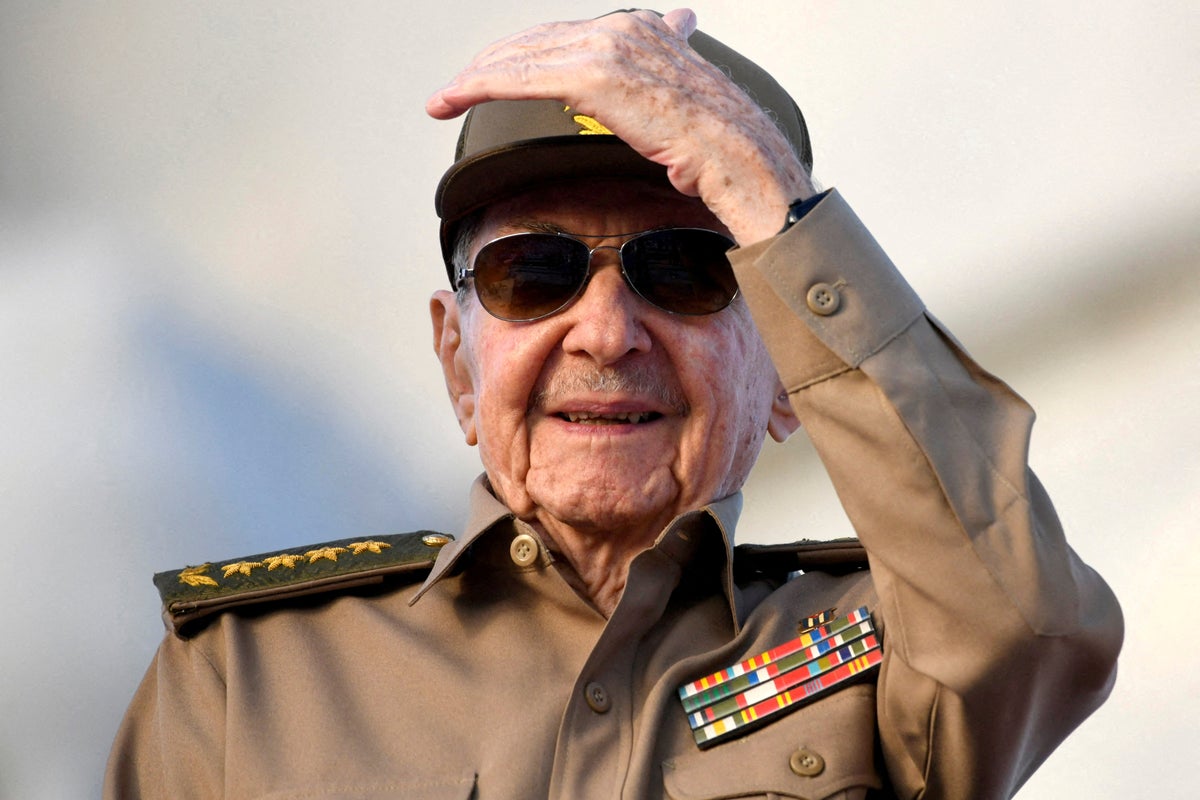
The U.S. Department of Justice is finally pulling the trigger on an indictment against Raúl Castro, and frankly, it’s about time. For three decades, the 1996 shootdown of two civilian planes operated by the Brothers to the Rescue group has been a jagged glass shard in the relationship between Washington and Havana. Now, at 94 years old, the man who spent decades as Cuba's defense minister and later its president is facing the reality of American federal charges.
This isn't just about dusty legal files or symbolic gestures. Sources say the indictment is expected to be unsealed in Miami on May 20, 2026—a date specifically chosen to coincide with an event honoring the victims of that 1996 attack. You don't make a move this big against a former head of state unless you're trying to send a message that resonates far beyond a courtroom. Recently making headlines lately: Forty Five Days of Borrowed Time.
The 1996 incident that changed everything
If you weren't following the news back then, here's the gist: Cuban MiGs blew two unarmed Cessna Skymasters out of the sky over international waters. Four people died. The Brothers to the Rescue group was known for searching the Florida Straits for rafters fleeing the island, and Cuba claimed they'd violated sovereign airspace.
Washington didn't buy it then, and they aren't letting it go now. Raúl Castro was the Minister of the Revolutionary Armed Forces at the time. He’s the one who held the leash on those fighter jets. Federal prosecutors in the Southern District of Florida have been building this case for months, spurred on by a special working group established in March 2026. They aren't just looking for a "guilty" verdict; they're looking for accountability that should've happened thirty years ago. More insights into this topic are detailed by NPR.
Why this is happening right now
Don't think for a second the timing here is accidental. The Trump administration has been cranking the pressure on the Cuban government to a breaking point. We’ve seen fuel blockades, threats of heavy tariffs on oil exporters, and even talk of a "friendly takeover" if the island doesn't ditch its current leadership.
Just days ago, CIA Director John Ratcliffe was in Havana. He didn't go there for the cigars. He met with Cuban intelligence and Raúl’s grandson, Raúl "Raulito" Guillermo Rodríguez Castro, to deliver a blunt ultimatum: change fundamentally or stay a pariah. The DOJ move is the "or else" part of that conversation. It's a classic power play. By indicting the patriarch of the Cuban revolution, the U.S. is signaling that the era of "diplomatic patience" is over.
The Venezuela blueprint
We've seen this movie before. In January 2026, the U.S. military snatched Nicolás Maduro from Venezuela and flew him to New York to face drug charges. The administration called it a "law enforcement operation". While Raúl Castro is nearly a century old and unlikely to be "snatched" in the same way, the legal groundwork serves the same purpose. It delegitimizes the regime and justifies extreme economic or military measures as "law enforcement" rather than just politics.
What this means for the average person
If you have family in Cuba or interests in the region, prepare for a rough ride. The Cuban government has already slammed these moves as "collective punishment". Expect more power outages, more shortages, and a lot more tension.
- Expect heightened security at U.S. ports and in South Florida.
- Watch the fuel markets, as the U.S. continues to target oil shipments to the island.
- Monitor the May 20 announcement in Miami for the specific charges being unsealed.
This isn't a simple legal proceeding; it’s a geopolitical earthquake. Whether or not Raúl Castro ever sees the inside of a U.S. courtroom, the indictment itself changes the rules of the game for Cuba. It moves the conflict from the realm of "disagreement" into the territory of "criminality," and there's usually no going back from that.
Keep an eye on the Southern District of Florida’s filings next Wednesday. That’s when the real fireworks start.