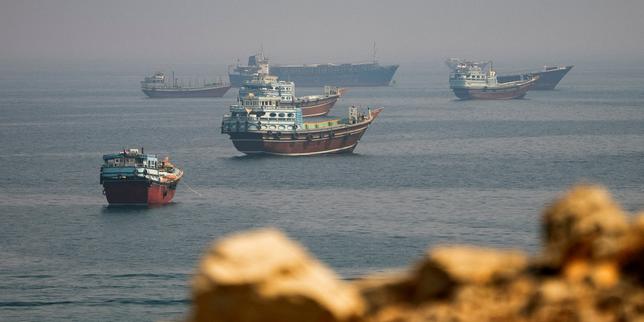
Geopolitical high-stakes brinkmanship rarely ends with a clean handshake. When a planned diplomatic gathering between Iran and various Gulf states gets abruptly postponed, global markets panic and analysts scramble. But Donald Trump’s reaction to the crumbling talks wasn't guarded diplomacy or careful caution. He made it clear that he simply doesn't care.
If you are trying to understand why a postponed regional summit matters or why Washington is adopting such a blunt posture, you have to look past the superficial headlines. The real story isn't just about a canceled meeting. It is about a fundamental breakdown in how power is leveraged across the world's most critical maritime chokepoint.
The Real Meaning Behind the Postponed Talks
Diplomatic channels between Tehran and its Gulf neighbors rarely move smoothly, but the postponement of this specific meeting highlights a deep paralysis. Iran wants relief from punishing economic isolation and insists on its own terms for ending the maritime standoff, while Washington maintains a rigid naval blockade that strangles Iranian ports while carving out safe passage for allied shipping.
When scheduled regional talks fall apart, it usually means both sides are digging in rather than backing down. Tehran demands that regional actors pressure the West, while Gulf states find themselves caught in the crossfire of soaring energy costs and security threats.
Instead of treating the diplomatic stall as a crisis that requires urgent American intervention, Trump dismissed the necessity of an agreement altogether. His stance relies on a simple premise: the United States holds frozen Iranian assets totaling hundreds of billions of dollars, and the US military maintains effective control over the Strait of Hormuz via an active naval blockade. From his perspective, Washington doesn't need to rush back to the negotiating table when it already holds the financial and physical cards.
Why Trump Can Afford to Brush Off the Stalemate
A casual observer might look at rising global fuel prices and think the White House would be desperate for a diplomatic breakthrough. Yet, domestic political calculations shift these priorities. While voters feel the pinch at the pump, the administration has framed energy costs as a necessary sacrifice to prevent major security threats.
Furthermore, internal friction within Washington has changed the diplomatic momentum. Vice President JD Vance had previously explored diplomatic avenues to find a negotiated off-ramp, but those efforts have cooled amid political headwinds and stark resistance from Iranian negotiators who rejected direct terms. Trump's public posture reflects a conscious choice to pivot away from chasing deals that Tehran isn't ready to accept on Western terms.
What Happens When Chokepoints Become Battlegrounds
The Strait of Hormuz handles roughly a fifth of the world's petroleum consumption, making it the most vulnerable jugular vein in global trade. When tanker traffic gets disrupted or monitored under threat of military interception, the ripple effects hit supply chains instantly.
Iran's Islamic Revolutionary Guard Corps continues to assert control over regional waters, occasionally engaging in direct tit-for-tat exchanges with US and allied infrastructure. Meanwhile, regional leaders like Turkish President Tayyip Erdogan have repeatedly urged restraint, warning that ongoing escalations push the entire region closer to an unmanageable precipice.
Yet, calls for dialogue keep running into a wall of mutual distrust. Tehran wants a comprehensive rollback of sanctions and recognition of its regional posture before it lifts shipping restrictions. Washington refuses to lift the pressure without structural concessions.
Navigating the Uncertainty Ahead
If you are watching global energy markets or international relations, don't expect a sudden diplomatic miracle to solve the crisis in the Persian Gulf. The collapse of regional meetings points toward a prolonged standoff rather than a sudden peace accord.
Keep an eye on actual maritime traffic data rather than diplomatic press releases. As long as the naval blockade holds and tankers navigate under military escort, the status quo will persist—no matter how many meetings get canceled on the calendar.