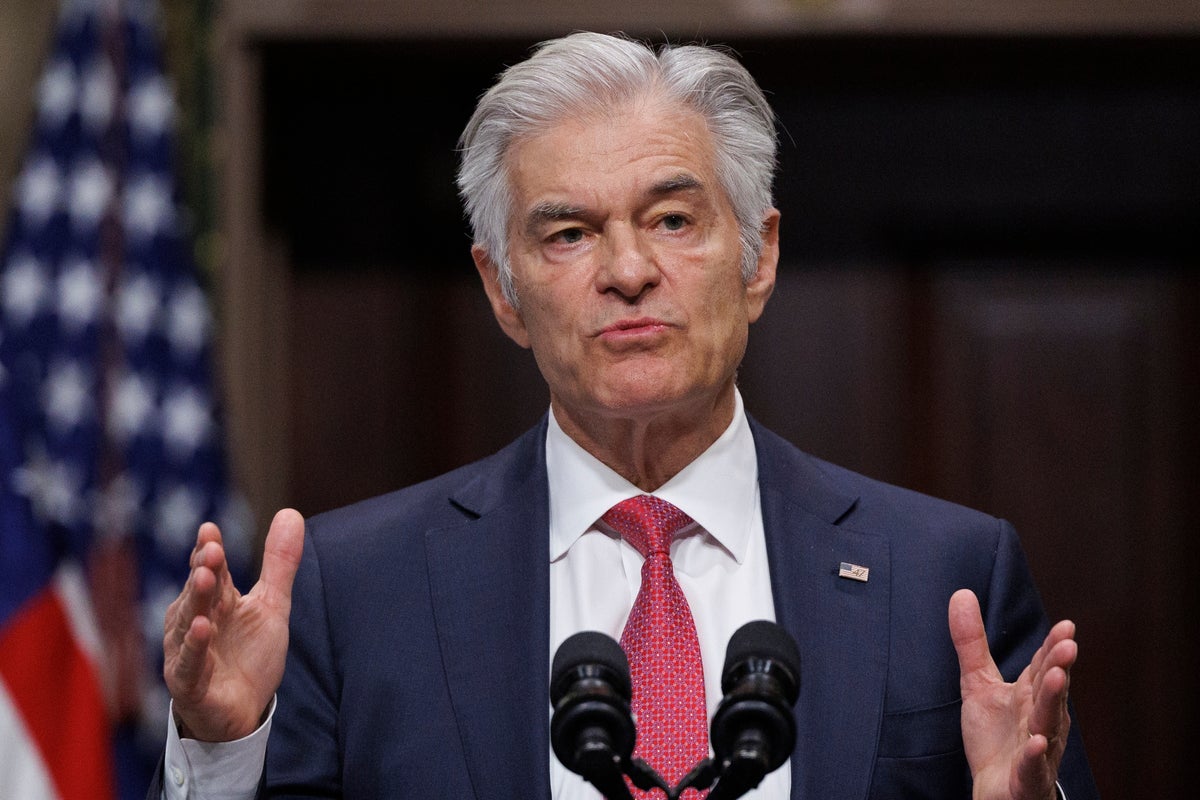
Medicaid is under the microscope like never before. If you've been following the news lately, you've seen Dr. Mehmet Oz, the Administrator of the Centers for Medicare and Medicaid Services (CMS), taking a very aggressive stance on how states manage their money. On Tuesday, April 21, 2026, Oz upped the ante by announcing a 50-state audit focused on Medicaid provider oversight.
This isn't just another bureaucratic request for paperwork. It's a national mandate that forces every single state—regardless of political leaning—to prove they aren't letting billions of dollars leak out through fraudulent providers. Oz was blunt about the goal during a health care summit in D.C. He wants states to "own" the problem. If they don't? He's already shown he’s willing to pull the plug on federal funding.
The 30 Day Ultimatum for States
The core of this new directive is speed. CMS is giving states just 30 days to submit a plan detailing exactly how they will revalidate their Medicaid providers. This process, often called "provider revalidation," is essentially a background check for the doctors, clinics, and equipment suppliers who bill the government.
Oz is targeting "high-risk areas" where he claims people are profiting from fraud without actually treating patients. Think of it as a massive digital "Are you really who you say you are?" check.
I've seen these types of federal crackdowns before, but usually they're targeted at one or two problem states. By making this a 50-state requirement, Oz is sending a message that no one is safe from scrutiny. He’s basically saying, "Show us you’re serious, or we’ll do the auditing for you—and you won't like the results."
Why the Trump Administration is Moving Now
This didn't happen in a vacuum. This audit is a major escalation of a campaign that’s been brewing since early 2026. Last month, President Trump signed an executive order creating an anti-fraud task force led by Vice President JD Vance. Oz and Vance have been working closely, and this audit is the sharp end of that spear.
We’ve already seen what happens when the administration decides a state isn't doing its job.
- Minnesota had nearly $260 million in Medicaid funding frozen in February.
- New York has been under a heavy fraud probe, though it hasn't been without controversy—CMS recently admitted to a math error in some of the figures used to justify that investigation.
- Florida, California, and Maine have all received letters from Oz's office demanding detailed reports on their program integrity.
Critics argue that these audits are politically motivated, often targeting Democratic governors like Minnesota's Tim Walz. But Oz's 50-state move is likely an attempt to shield himself from those accusations. By demanding data from everyone, he’s framing this as a fiscal necessity rather than a partisan attack.
The Real Risk to Patients
The big question isn't just about money—it's about care. When you start freezing hundreds of millions of dollars in payments, the people at the end of that chain are the patients.
Oz calls Medicaid and Medicare the "crown jewels" of the nation. He claims that by cutting out the "vampire" providers who bleed the system dry, the program becomes more sustainable for the people who actually need it. But there’s a flip side. If the revalidation process is too clunky or aggressive, legitimate doctors might get caught in the dragnet.
We're already seeing a six-month moratorium on new Medicare enrollments for durable medical equipment suppliers. If you need a new wheelchair or oxygen tank and your local supplier can't get enrolled because of these rules, that’s a real-world problem. Oz says this audit will "save" the programs, but the execution will determine if it saves them or just starves them.
What Happens if States Fail to Comply
Dr. Oz was very clear about the consequences. If a state's plan for revalidating providers is weak or if they fail to meet the 30-day deadline, CMS will likely move toward more aggressive federal audits.
In the world of Medicaid, a "federal audit" is code for "we might take our money back." Since Medicaid is a joint state and federal program, the feds have massive leverage. They can defer payments, which basically means they hold the cash in escrow until the state fixes its "program integrity shortcomings."
Minnesota tried to sue CMS in February to stop them from withholding funds, but that money is still sitting in Washington. The lesson for other states? CMS isn't afraid of a legal fight.
High Risk Areas and the Fraud Task Force
What exactly is a "high risk area"? While Oz hasn't released the full list yet, history tells us where they’ll look:
- Home Health Care: This is a classic spot for billing for hours that weren't worked.
- Durable Medical Equipment (DME): Schemes involving braces or CPAP machines are rampant.
- Hospice Care: We just saw several arrests in Los Angeles earlier this month related to alleged hospice fraud.
- Telehealth: The explosion of remote care since 2020 has opened new doors for scammers to bill for consultations that never happened.
The JD Vance-led task force is looking for "low-hanging fruit"—cases where the fraud is so obvious it makes for a good headline. This 50-state audit is the data-gathering phase for that task force. They're looking for the states with the weakest fences so they can make an example out of them.
Immediate Steps for State Officials and Providers
If you’re working in the Medicaid space, you can’t afford to wait and see how this plays out. The clock is already ticking.
States need to immediately inventory their current provider list and identify anyone who hasn't been revalidated in the last three years. If you’re a provider, make sure your records are spotless. The 30-day window for states to submit their plans means that by early summer, we're going to see a wave of revalidation requests hitting doctors' offices across the country.
Check your "Provider Integrity" status now. Don't wait for a letter from the state saying your payments are being suspended because of an administrative oversight. This is a "verify or die" moment for Medicaid billing.
Oz is betting his reputation—and a lot of federal cash—on the idea that there is enough "waste, fraud, and abuse" to justify this massive disruption. Whether he finds it or not, the audit is happening. Every state is now officially on notice. It’s time to find those records and get ready for a very long summer of oversight.