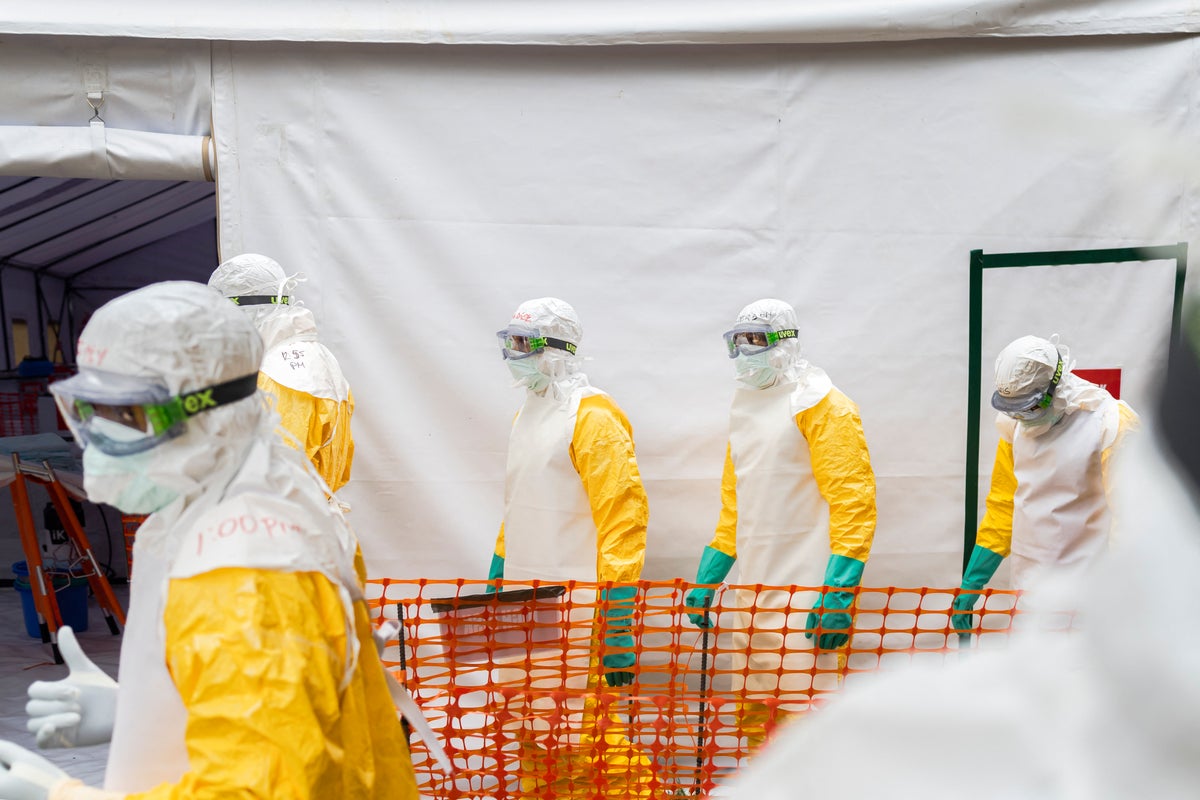
Outbreaks don't wait for bureaucracy. When a Democratic Republic of Congo governor sounds the alarm on Ebola, the world usually nods, promises funds, and moves slow. That is a recipe for disaster. Waiting for a localized cluster to turn into an international crisis before deploying serious resources is a broken strategy. We've seen this movie before. It always ends with filled graves and wrecked economies.
The Democratic Republic of Congo (DRC) faces a constant battle with the Ebola virus. The geography itself is a challenge. Dense rainforests, isolated villages, and deeply rooted local distrust create a perfect storm for transmission. If containment isn't instant, the virus slips across borders into Uganda, Rwanda, or South Sudan. Speed isn't just a metric here. It's the only thing that stands between a contained medical event and a full-blown humanitarian catastrophe.
The Reality of Ebola Containment in Conflict Zones
Epidemiology in a textbook is clean. In the eastern DRC, it's messy and dangerous. You aren't just fighting a virus. You're operating in areas controlled by various armed rebel groups, like the ADF or M23.
Health workers face real violence. During the 2018-2020 North Kivu outbreak, which claimed over 2,200 lives, treatment centers were attacked. Doctors were killed. When local politicians tell you a swift response is needed, they aren't just talking about shipping vaccines. They mean securing supply lines and protecting the people keeping patients alive.
DRC Ebola Outbreak Core Challenges:
1. Active conflict zones hindering medical access
2. High community resistance due to misinformation
3. Delayed funding deployment from global partners
4. Weak regional healthcare infrastructure
Trust is the actual currency of outbreak response. If the local community thinks the response teams are outsiders trying to profit or exploit them, they hide their sick. They perform traditional burials, which involve washing the highly infectious bodies of the deceased. This single practice can supercharge an outbreak in days. You can't fix this with a top-down mandate. You fix it by working with local elders and faith leaders before the virus shows up.
Why Current Global Funding Models Fail Local Leaders
The World Health Organization (WHO) and international donors love to pledge money. The problem is how long that money takes to hit the ground. When a provincial governor in the DRC begs for immediate intervention, they usually need basic supplies. Personal protective equipment (PPE), clean water, transport fuel, and mobile laboratory units.
[Image of Ebola virus structure]
By the time international grants clear administrative hurdles, weeks have passed. In Ebola time, two weeks is an eternity. A single undetected chain of transmission can multiply exponentially.
We need a permanent, rapidly deployable fund managed closer to the ground, rather than waiting for Geneva or Washington to sign off on emergency allocations. The Africa Centres for Disease Control and Prevention (Africa CDC) has made strides in regional management, but they still lack the independent financial teeth required to move instantly without Western donor approval.
The Science of Speed and Contact Tracing
Containment relies on a simple, brutal math problem. You have to find every single person who touched an infected individual. Contact tracing requires vast networks of local workers who know the terrain and speak the language.
Ebola Transmission Chain:
[Infected Individual]
   ├── Close Contact A (Monitored/Isolated)
   ├── Close Contact B (Missed -> Becomes Symptomatic -> Spreads)
   └── Close Contact C (Vaccinated via Ring Strategy)
Vaccines like Ervebo have changed the game, but they aren't magic bullets if you can't reach the people. The "ring vaccination" strategy involves vaccinating the contacts, and the contacts of those contacts, to form a buffer zone around the virus.
If security issues or bad roads delay tracers by even forty-eight hours, the ring breaks. The virus escapes the perimeter. Medical teams then have to start the entire tracking process over again in a completely new village or city.
Shifting From Reaction to Constant Readiness
Stop treating Ebola like an unexpected surprise. It's endemic to the region. The map of historical outbreaks tells a clear story. The Equateur and North Kivu provinces will see cases again and again.
Investing in permanent healthcare infrastructure is the only sustainable path forward. Mobile labs must be stationed regionally, ready to deploy within hours. Local nurses and doctors need continuous training on viral hemorrhagic fevers so they spot the very first case, rather than misdiagnosing it as malaria or typhoid for three weeks.
To stop the next catastrophe, shift the power dynamic. Listen to the local leaders on the ground who understand the cultural nuances and security risks. Equip regional response teams with the funds to act independently. Fix the supply chain bottlenecks so PPE arrives before the body bags do. Build trust through transparent, community-led communication. The tools to defeat Ebola exist, but they are useless without the political will to deploy them instantly.