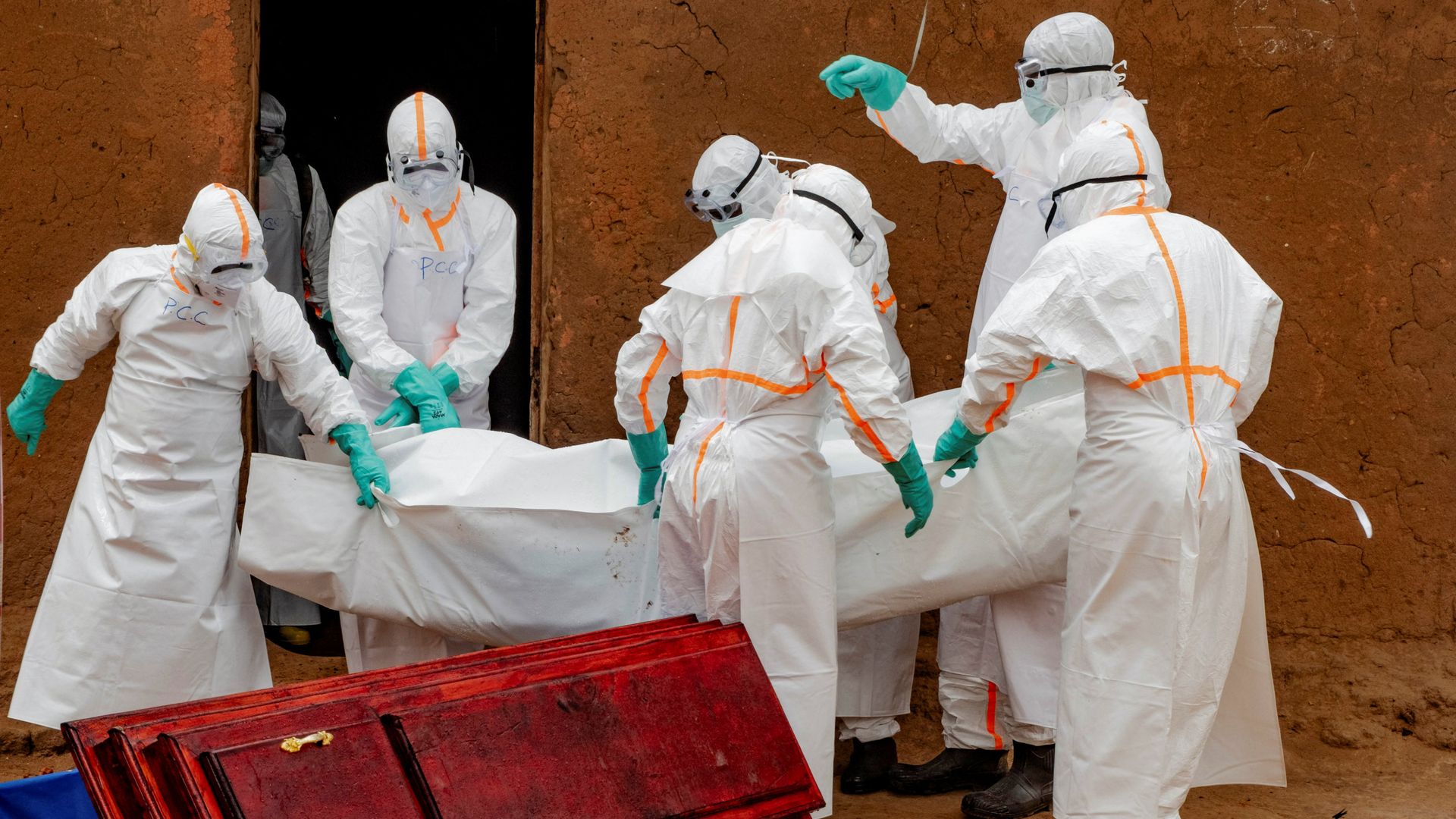
The latest Ebola outbreak in the Democratic Republic of Congo isn't just another medical emergency. It's a runaway train. As of August 21, 2026, the death toll has surged past 2,500 people, and the speed at which this virus is moving has caught global health officials off guard. We’re talking about an area larger than France where the virus is now spreading exponentially.
Julien Harneis, the senior United Nations coordinator for the Ebola response, put it bluntly: the outbreak is growing faster and wider than anyone can contain. If you look at the raw data, it's terrifying. Half of those 2,500 deaths happened in the last 20 days alone. This isn't a slow burn. It’s an explosion.
Why Current Containment Efforts Are Failing
You might wonder why we aren't stopping this. After all, we’ve dealt with Ebola before. But this situation is different. The region has been scarred by decades of armed conflict, which means the local infrastructure is essentially non-existent. When you don't have roads, you can't move medicine. When you don't have banking, you can't pay the frontline workers who are risking everything to save lives.
The virus itself is a major hurdle. This specific strain, the Bundibugyo species, is particularly nasty because there aren't any approved vaccines or treatments for it yet. That leaves health workers fighting a fire without water.
The Human Cost Behind The Numbers
It’s easy to get lost in the statistics. But let’s look at the people on the ground. Over 160 healthcare workers have caught the virus, and 43 have died. That’s not just a number; it’s a massive loss of the very people who know how to stop the spread.
Then there’s the issue of public trust. When people are terrified, they don't always turn to medicine. They turn to anger. Harneis described how "fear translates into angry young men" who end up throwing stones at ambulances. We’ve seen over 260 attacks on health workers in just six months. When you’re trying to manage a safe burial for a loved one but the community thinks the response is a hoax, everything falls apart. People are literally attacking the only people trying to help them.
The Financial Cliff
Money is running dry. The response has received about $80 million in funding so far, but that pool is scheduled to run out within weeks. Humanitarian aid to the region has been slashed over the past two years, leaving organizations with roughly 30% less capacity than they had before.
If the funding stops, the surveillance stops. If the surveillance stops, the virus wins. It’s that simple.
What Actually Needs To Happen Now
We need to stop treating this like a standard medical operation and start treating it like the humanitarian crisis it is.
- Secure the Supply Lines: We cannot rely on existing infrastructure when it's been dismantled by conflict. We need dedicated logistics to get cash and supplies into remote zones where banks and roads have failed.
- Prioritize Local Engagement: The response won't work if the community treats it like an enemy. We need more than just doctors; we need community leaders to bridge the gap between fear and facts.
- Rapid Vaccine Development: Since the current strain has no approved treatment, resources need to pivot immediately toward testing and deploying whatever experimental interventions are safe.
- Protect the Frontline: We can't expect people to volunteer when they are being stoned or attacked. Enhanced security for health teams is no longer optional.
This outbreak is the largest in the history of the Congo for a reason. It’s a perfect storm of geography, conflict, and a lack of resources. The clock is ticking, and the current strategy is being outpaced. Without a massive influx of funding and a shift in how we approach security and community trust, the numbers will only keep climbing.