Words carry weight, especially when spoken from the halls of power. In moments of profound geopolitical friction, language can either serve as a bridge toward de-escalation or act as an accelerant to human suffering. The recent condemnation by European capitals regarding inflammatory declarations highlights a critical fracture in how international actors view the boundaries of political speech during wartime.
Consider the ordinary citizen sitting thousands of miles away, watching the evening news flicker with images of devastation. To them, political rhetoric is rarely abstract. It translates directly into the safety of families, the distribution of humanitarian aid, and the lingering hope for a diplomatic resolution. When high-ranking officials use language that explicitly targets civilian populations, the shockwaves reach far beyond regional borders, prompting immediate diplomatic rebukes from historic allies.
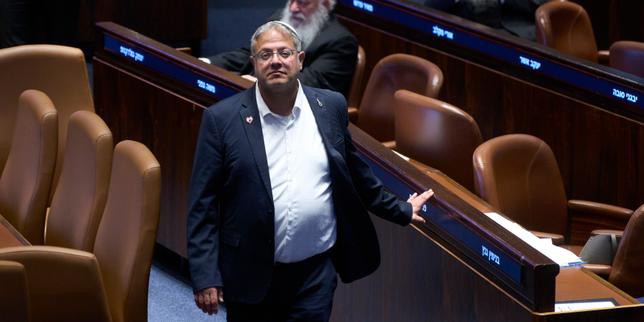
France and Germany recently stepped forward to deliver a sharp joint critique, labeling specific statements from extreme-right Israeli figures as intolerable and fundamentally inhumane. These declarations, which touched upon cutting off essential provisions or encouraging extreme harm against the residents of Gaza, crossed a line that traditional allies could no longer ignore.
Diplomacy relies on a shared lexicon of restraint. When that lexicon fractures, international relations enter uncharted territory. The joint response from Paris and Berlin was not merely a procedural gesture; it was a stark reminder that shared democratic values include a baseline respect for human life and international humanitarian law.
Yet, the tension persists on the ground. Communities continue to navigate an environment defined by scarcity, fear, and uncertainty. The contrast between high-level diplomatic condemnation and the stark reality faced by civilians underscores the urgent need for cooler heads to prevail.
Ultimately, the power of a government official's words lies in their capacity to shape collective morality. When leaders choose rhetoric that dehumanizes, they invite a global response that demands accountability. The reverberations of these recent condemnations signal that the international community is watching closely, weighing every public utterance against the fundamental obligations of humanity.