The physical destruction of Himalayan river basins by glacial outburst floods exposes a structural failure in international climate finance. When a glacial lake collapse unleashes millions of cubic meters of water and mud across the Rasuwa and Nuwakot regions, the ensuing physical and economic devastation is immediate. More than 1,300 deaths, thousands of missing persons, and an estimated $2.56 billion in direct infrastructure and housing loss map the immediate vector of damage. In response, Nepal’s Ministry of Finance and Ministry of Environment submitted a joint request to the United Nations Loss and Damage Fund for $20 million in compensation. This demand forces a confrontation with an uncomfortable reality: the total financial request covers less than one percent of the actual localized damage, and the multilateral fund designed to pay it faces a $2.8 billion structural funding gap.
The mechanics of this crisis require analyzing the asymmetric relationship between national emissions profiles and localized climate vulnerability. Nepal accounts for less than 0.1 percent of global greenhouse gas emissions while generating the vast majority of its domestic electricity from renewable hydroelectric assets. Conversely, glaciers across the Hindu Kush Himalaya range lost ice mass 65 percent faster between 2011 and 2020 compared to the preceding decade. Sandwiched between two of the world's largest industrial carbon emitters—India and China—Nepal experiences an accelerated cryospheric degradation driven entirely by exogenous forces.
This dynamic establishes a distinct market failure. Externalized carbon emissions from industrialized economies alter regional thermodynamics, destabilizing high-altitude ice formations. The resulting flash floods obliterate domestic capital investments, rural housing stocks, and strategic infrastructure like hydropower facilities. The cost function is borne entirely by a low-emission state incapable of absorbing macro-scale environmental shocks without external capital transfers.
The Mechanics of Loss and Damage Allocation
Filing a claim for twenty million dollars against a multi-billion-dollar deficit highlights the operational impotence of current international frameworks. The UN Loss and Damage Fund, operationalized following recent climate summits, functions as an undercapitalized clearinghouse rather than an insurance mechanism.
To understand why this system stalls, three structural friction points must be examined:
- Attribution Science Constraints: Establishing direct causality between a specific industrial emission source in the Global North and the localized collapse of a glacial moraine in the Himalayas remains legally and scientifically complex. While aggregate temperature anomalies are clear, proving specific liability for individual flash flood events complicates international arbitration.
- Disbursement Velocity: Multilateral funds operate under bureaucratic compliance burdens that span years. In contrast, post-disaster liquidity requirements for emergency search, rescue, and temporary habitation peak within the first seventy-two hours.
- The Capital Scale Mismatch: A $20 million request against $2.56 billion in documented property loss—and broader macro-economic damage estimates scaling past $5 billion—represents a tokenistic relief model rather than a functional liability payout.
International legal opinions, including recent advisory statements from the International Court of Justice, assert that states possess binding legal obligations to prevent cross-border environmental harm and may owe full reparations for breaches. However, these opinions lack enforcement mechanisms. Sovereign states facing domestic political resistance to climate spending—such as the United States, which contributed minimal capital to initial fund iterations—face zero legal penalties for non-compliance.
The Domestic Multiplier Effect
The macroeconomic shockwaves extend far beyond destroyed housing stocks. Nepal's heavy investment in run-of-the-river hydroelectric generation creates a unique vulnerability vector. When high-velocity flash floods sweep through mountain corridors, they inundate subterranean and surface-level hydropower infrastructure, trapping workers, fracturing grid interconnectivity, and drying up primary export revenues.
This creates a vicious fiscal cycle:
- Physical capital is destroyed by climate-induced events.
- Government debt-to-GDP ratios rise as public funds are diverted from developmental spending to emergency reconstruction.
- Sovereign credit profiles deteriorate, increasing the cost of capital for future infrastructure adaptation.
- The state becomes structurally less resilient to the next recurring shock cycle.
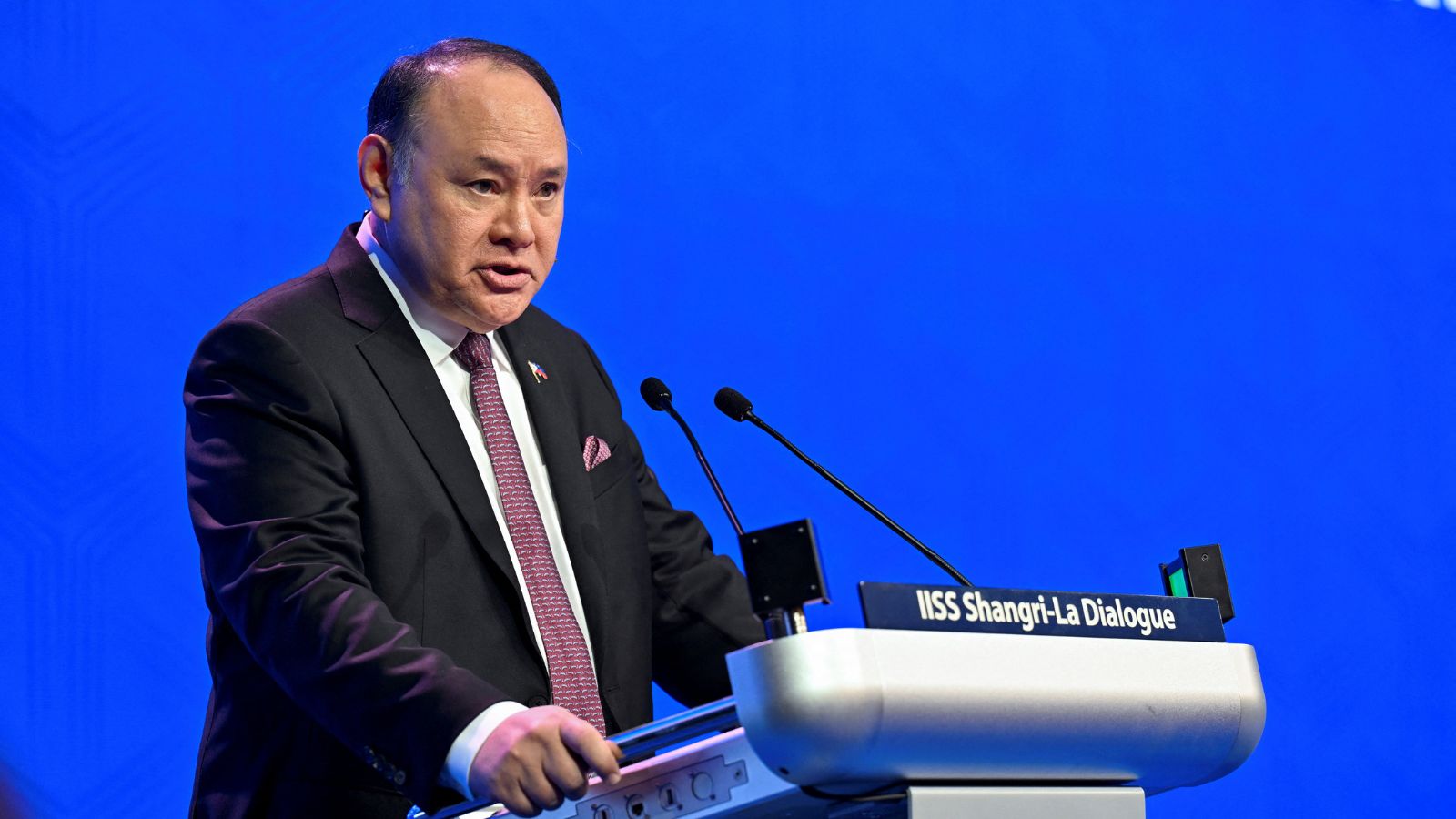
Foreign Minister Shisir Khanal and other state officials explicitly reject framing these fiscal transfers as development aid or charity. Charity implies discretionary benevolence from the donor. Climate justice implies a corrective transfer based on tort law principles—remedying an uncompensated negative externality. Yet, treating international climate finance as a liability settlement hits a political wall in capital-exporting nations, where legislative bodies view climate compensation as open-ended fiscal liability.
Strategic Implementation for Sovereign Debt and Climate Risk
Developing nations caught in this structural trap cannot rely on voluntary philanthropic pledges through underfunded UN mechanisms. Moving forward requires a three-tier operational adjustment for vulnerable economies.
First, sovereign risk models must integrate cryospheric monitoring directly into national balance sheets. Waiting for glacial lakes to breach before mobilizing capital guarantees high-cost recovery phases. Predictive remote sensing of high-altitude glacial thinning must dictate mandatory relocation timelines and engineering standards for downstream industrial assets.
Second, climate-vulnerable states must decouple emergency liquidity from slow-moving loss and damage funds through mandatory parametric insurance structures. These financial instruments automatically disburse capital based on trigger events—such as specific volumetric discharge rates or temperature thresholds—bypassing multilateral bureaucratic approval loops.
Third, legal strategies must shift from moral appeals at general assemblies to targeted trade and financial leverage. Nations bearing uncompensated ecological debt must weaponize multilateral votes, carbon credit markets, and supply chain compliance frameworks to force high-emission trading partners into binding bilateral risk-sharing agreements.
Until the international financial architecture transitions from voluntary aid models to legally enforceable tort liability, demands for climate compensation will remain rhetorical exercises against a backdrop of compounding ecological collapse.