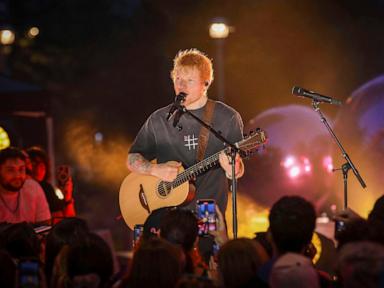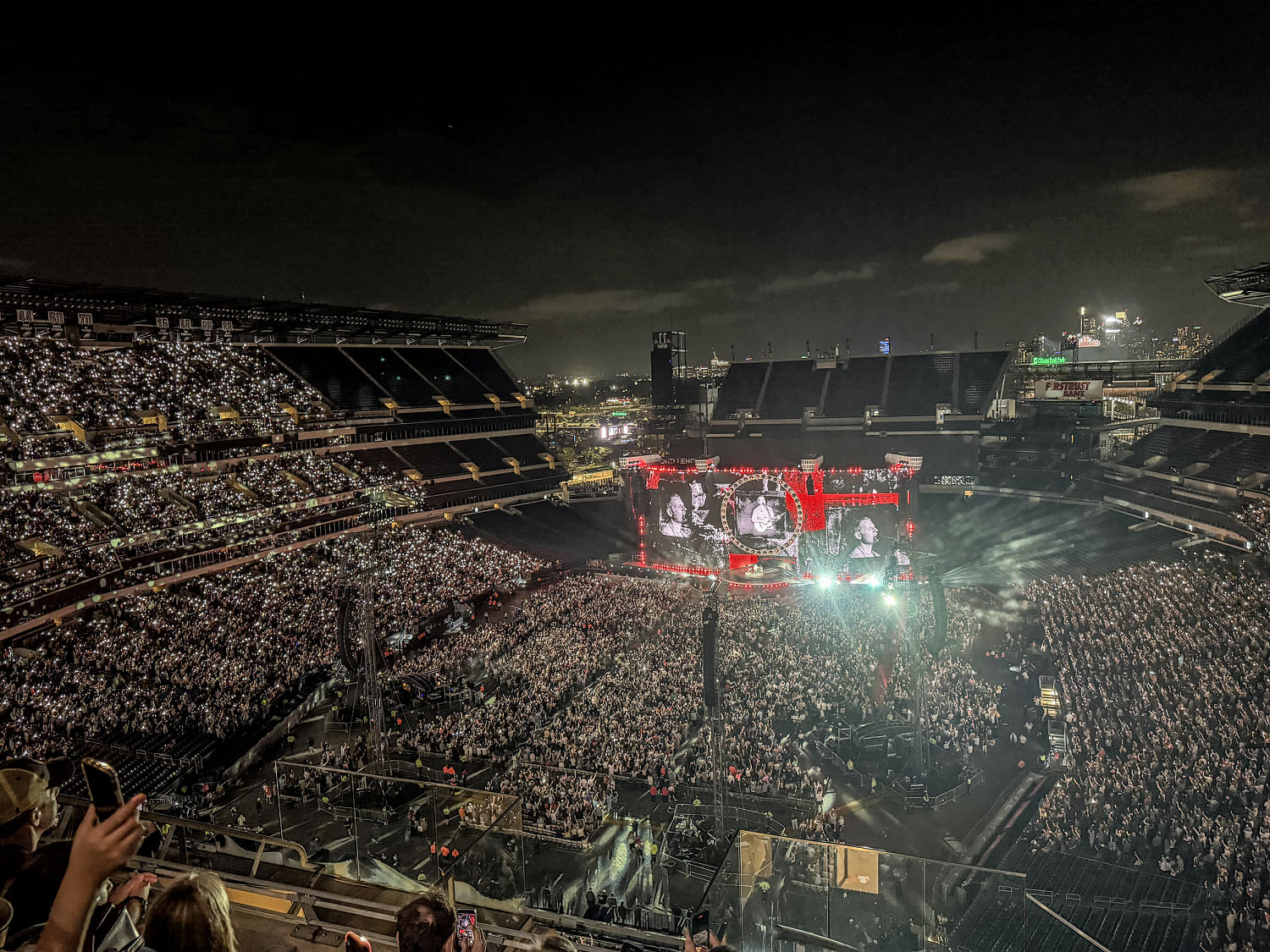
Music and politics have long maintained a volatile, highly scrutinized marriage, but few venues test that union quite like a massive stadium tour. When Ed Sheeran took the stage and described the situation in Gaza as unjustifiable during his first performance since Macklemore's controversial public stances, he did more than voice a personal opinion. He detonated a calculated peace treaty that the international pop apparatus has spent decades trying to maintain.
Ed Sheeran called the situation in Gaza unjustifiable during a concert appearance, instantly reigniting fierce debates over artist activism, censorship, and the rigid expectations placed on global superstars. This moment arrived in the immediate shadow of Macklemore facing intense industry backlash and scrutiny for his own vocal advocacy regarding the Middle East conflict. To understand why Sheeran’s brief remark matters so intensely, one must look past the headlines and examine how the contemporary entertainment machine manages dissent. Pop music is manufactured to be universally palatable. Controversy threatens licensing deals, corporate sponsorships, and ticket sales across polarized territories. When an artist with Sheeran's staggering commercial gravity breaks rank, the shockwaves travel far beyond the stadium seating bowl. For a closer look into this area, we suggest: this related article.
The Anatomy Of Pop Neutrality
For decades, the standard playbook for a multi-platinum touring artist was straightforward. You release the record, you fill the arenas, you smile for the morning talk shows, and you keep your geopolitical opinions entirely off the marquee. This strategy was never an accident. It is an engineered product of risk mitigation. Major record labels, global booking agencies, and corporate sponsors function like giant financial fortresses designed to withstand market shifts. They achieve this stability by scrubbing sharp edges from their primary assets.
Artists are subtly and overtly discouraged from taking definitive stances on complex international crises because friction is bad for quarterly earnings. When a musician steps off the script, millions of dollars in merchandising contracts, festival headlining slots, and streaming playlist placements hang in the balance. Macklemore learned this lesson the hard way following his own pointed public statements, finding himself navigating a minefield of canceled appearances and intense ideological pressure. To get more information on this topic, extensive analysis can be read on Variety.
Yet, the pressure valve is beginning to crack. Fans no longer accept performative neutrality from artists who profit from emotional depth in their lyrics. When you build an entire career on songs about heartbreak, humanity, and personal vulnerability, audiences eventually demand to see that vulnerability extended to the real world. Sheeran’s declaration cuts through the corporate sheen precisely because it runs counter to the self-preserving silence expected of top-tier talent.
Navigating The Macklemore Precedent
The ghost of Macklemore's recent controversy hung over the venue long before Sheeran picked up his acoustic guitar. The hip-hop artist had previously faced severe professional fallout after voicing strong political opinions during live sets, turning his performances into ideological lightning rods. The industry message was chillingly clear: step into the geopolitical arena, and prepare to face the consequences of commercial isolation.
When Sheeran addressed the audience, he was acutely aware of this precedent. He did not deliver a rambling manifesto or attempt to unpack centuries of diplomatic failure in a ninety-second stage banter break. He chose his words with the precision of a veteran performer who knows that a single sentence can dominate the news cycle for a week. By labeling the human toll in Gaza as unjustifiable, he bypassed technical political terminology and focused squarely on humanitarian suffering.
This approach minimizes the ammunition available to critics who claim artists are unqualified to speak on foreign policy, while still signaling moral clarity. It is a tightrope walk. Critics on one side argue that pop stars use safe, watered-down phrases to appease activists without courting genuine risk, while critics on the other side claim that any political commentary from a stage is an unwelcome intrusion into entertainment spaces meant for escape.
The Economics Of Dissent
To truly grasp why musicians usually keep quiet, follow the money. A modern stadium tour is not merely a collection of concerts; it is a multinational corporate enterprise involving hundreds of millions of dollars in capital expenditure, local government permits, security logistics, and global brand partnerships.
When an artist disrupts the harmony, corporate risk officers start calculating liability. Promoters worry about security threats, boycotts, and negative publicity that could depress ticket sales in key markets. This commercial reality creates a profound psychological burden for performers. They are trapped between the authentic urge to respond to human tragedy and the cold, unyielding machinery that keeps their massive touring crews employed.
Sheeran occupies a rare tier where he is essentially too big to cancel outright, yet vulnerable enough to experience the chill of corporate disapproval. His catalog spans over a decade of ubiquitous radio hits, giving him a financial runway that most younger acts can only dream of. Yet, even for an artist of his magnitude, speaking out carries a tax. It invites aggressive online campaigns, hostile media framing, and strained relationships with industry power brokers who prefer their headliners compliant and quiet.
The Fan Base Shift
The audience dynamics that dictate these moments have undergone a quiet revolution. Traditional PR training taught artists that taking a side alienates half the room. In the current cultural climate, however, refusing to take a side can alienate an even larger, highly vocal segment of the fanbase, particularly younger demographics who view political apathy as a moral failure.
Concertgoers today view ticket purchases as a form of voting with their wallets. They scrutinize the values of the people they support. If an artist sings anthems about love and endurance while remaining conspicuously silent on major global humanitarian crises, fans notice the dissonance. Sheeran's remark was a direct acknowledgment of this shift. He recognized that maintaining total silence in the face of widespread devastation carries a heavier reputational cost today than risking the wrath of conservative industry executives.
This shift transforms the live concert experience. The stage is no longer just a sterile bubble of escapism; it has reverted to its historic function as a town square where cultural anxieties spill out into the open.
The repercussions of this moment will ripple across the music industry for months. Booking agents will tighten their advice, PR firms will redouble their crisis management protocols, and other artists will weigh their own thresholds for speaking truth to power against the very real threat of professional exile. Sheeran's words did not solve an intractable geopolitical crisis, nor were they designed to. Instead, they exposed the fragile architecture of an entertainment industry that desperately wants music to remain an unblemished product, completely disconnected from the messy, bleeding reality of the world outside the stadium gates