The Structural Mechanics of Climate Driven Food Insecurity
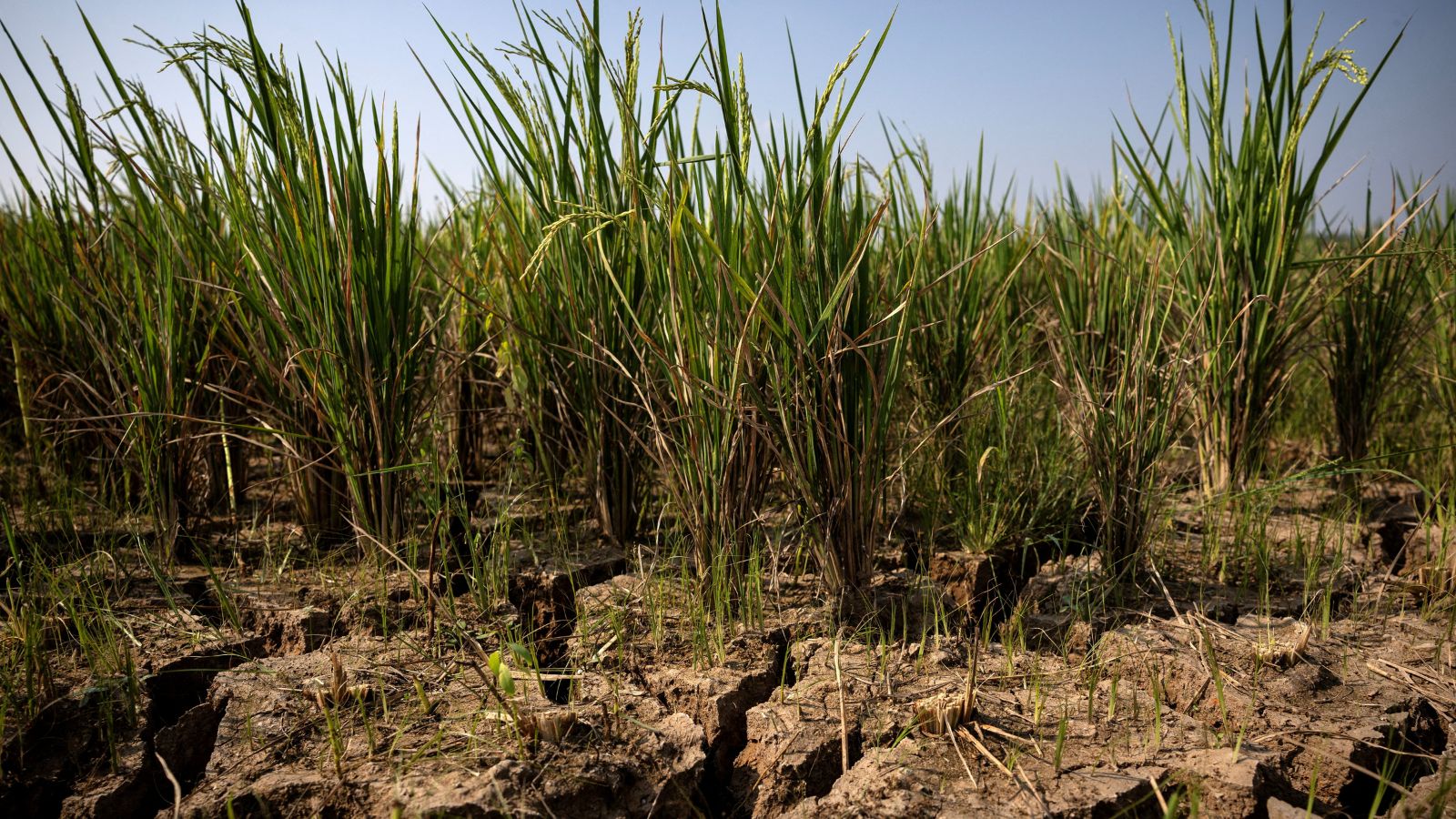
Food security models fail because they treat climate shocks as external anomalies rather than compounding variables within a fragile supply chain architecture. When meteorological phenomena like the El Nino Southern Oscillation alter global precipitation patterns, the resulting systemic shocks cascade through agricultural production, logistics pricing, and localized purchasing power.
Understanding how a warming Pacific basin threatens tens of millions of people with acute hunger requires moving past simple correlation. The vulnerability of a population does not stem merely from a lack of rainfall. It stems from the velocity at which agricultural inputs appreciate, the depth of public foreign exchange reserves, and the rigidity of domestic distribution networks.
The Three Transmission Vectors of Macro Shocks
The impact of a major climatic shift travels along three distinct economic and operational channels. Each vector operates on a different timeline, making simultaneous mitigation difficult for resource-constrained central authorities.
Primary Production Deficit
The immediate casualty of shifted weather patterns is yield reduction across staple crop sectors. Drought conditions in southern Africa and excessive moisture in parts of South America compress the aggregate supply curve.
When soil moisture drops below critical thresholds during the vegetative phase of maize or wheat development, the biological capacity for recovery is zero. Farmers absorb this loss through depleted operating capital, which restricts their purchasing power for the subsequent planting cycle. This creates a multi-year agricultural deficit that standard emergency food aid struggles to patch efficiently.
Price Transmission and Currency Depreciation
Global commodity markets react instantly to projected yield deficits, yet local consumer price adjustments lag by weeks or months depending on import dependency ratios. Net food-importing nations face severe balance-of-payments pressures as the cost of grain surges on international exchanges.
If local currency devalues against the United States dollar concurrently, the domestic cost of imported caloric energy multiplies exponentially. Central banks caught in this currency squeeze must choose between defending foreign reserves or subsidizing basic food imports. Both choices carry severe downstream risks.
Labor Market Contraction
Agriculture serves as the primary employer in many developing economies. When crop yields collapse, rural labor demand drops precipitously. Day laborers lose their primary income source just as food prices begin their steepest ascent.
This dual pressure—collapsing wages paired with soaring commodity costs—destroys household resilience. Families liquidate productive assets such as draft animals and farming implements to purchase immediate calories, permanently lowering their baseline economic productivity.
The Friction Points in Humanitarian Response Operations
International intervention often stumbles not from a lack of intent or capital, but from structural rigidities in procurement and logistics. Analyzing these bottlenecks reveals why millions slip into severe deprivation despite early meteorological warnings.
Procurement Lag Times
Traditional humanitarian pipelines operate on multi-month procurement cycles. Bidding, purchasing, ocean freight booking, and inland transport require lead times that conflict with fast-moving food crises. By the time emergency relief grain arrives at a landlocked distribution hub, localized market failures have often already forced populations into extreme coping strategies.
Last Mile Distribution Failures
Getting commodities to a country's main port represents only a fraction of the total operational challenge. In regions threatened by severe weather shocks, transport infrastructure is frequently substandard. Paved road networks give way to seasonal dirt tracks that become impassable during unseasonal heavy rains or prolonged dry spells that cause dust blockages and mechanical failures.
Fuel availability presents an additional constraint. As macro-shocks hit foreign exchange reserves, fuel imports are rationed, bringing commercial and humanitarian transport fleets to a standstill.
Funding Volatility
Donor fatigue and competing geopolitical priorities create unpredictable capital inflows for early action initiatives. Funding typically unlocks only after a crisis crosses a formal famine threshold, shifting the operational paradigm from proactive risk mitigation to expensive, reactive triage.
Quantifying Vulnerability Through Economic Resilience Indicators
Assessing the true exposure of a population requires moving beyond headcounts to analyze structural economic buffers. A region with high agricultural exposure can still maintain stability if its macro-fiscal framework possesses adequate shock absorbers.
Import Dependency Ratios
Nations that import greater than fifty percent of their staple caloric requirements face immediate exposure to international price volatility. The domestic market acts as a price taker with zero insulation against global supply shocks.
Foreign Exchange Reserve Adequacy
Importing food requires hard currency. When reserves drop below three months of import cover, commercial traders struggle to secure letters of credit from international banks. This triggers sudden commercial market withdrawal, leaving the state as the sole entity capable of procuring food—an administrative burden that overwhelms weak institutional capacity.
Social Protection Coverage Depth
The existence of a digital cash transfer registry or a targeted food voucher system alters the trajectory of a climate shock. Nations with established social safety nets can scale up transfer values rapidly to protect purchasing power without distorting local retail markets. Without these infrastructure layers, governments must rely on physical food distributions, which are slower, costlier, and prone to leakage.
Strategic Resource Allocation for Compounding Crises
Mitigating large-scale nutritional emergencies requires an operational shift from crisis management to systemic risk engineering. Traditional food aid models must evolve to match the speed and scale of contemporary climate volatility.
Expanding forecast-based financing mechanisms allows funds to disburse automatically when meteorological triggers are met, bypassing bureaucratic fundraising delays. Pre-positioning cash liquidity directly into the hands of vulnerable households via mobile money platforms supports local market functionality and maintains private sector supply chains. Concurrently, governments must invest in drought-resistant seed varieties and localized grain storage reserves to buffer against international shipping disruptions.
Operational resilience relies on decentralized logistics networks capable of bypassing primary transport arteries when regional bottlenecks occur. Aligning fiscal policy with agricultural risk management ensures that macroeconomic stability supports, rather than undermines, local food security.