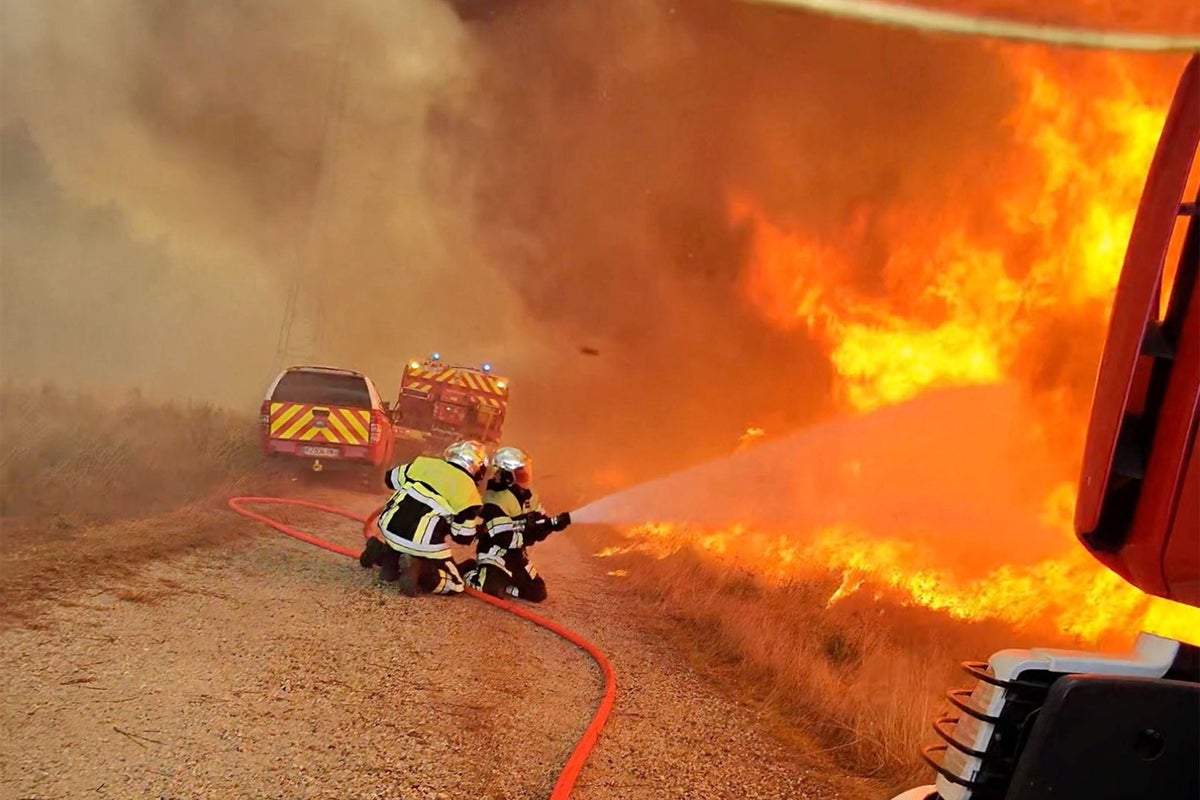
Every month, grief visits rural Nigeria with terrifying predictability. In the village of Naridon, located in Southern Kaduna's Kauru Local Government, thirty Christians were brutally murdered during a coordinated late-night assault. Gunmen set homes ablaze, cut down families as they tried to flee into the bushes, and left behind a trail of mass graves.
Local leaders are past the point of diplomacy. They are sounding alarms that a slow-motion demographic wipeout is happening in real time. When thirty people are slaughtered and eight of them are children, routine press statements from state capitals feel like empty noise. The fundamental reality on the ground is simple and brutal: rural communities are completely unprotected.
The Cycle Of Mass Graves In Kaduna
Violence in Nigeria's middle belt and northern regions isn't a sudden anomaly. It is a grinding, systemic crisis. Attacks follow a depressingly familiar playbook. Assailants arrive on motorcycles or on foot under the cover of darkness. They target isolated farming communities where communications are weak and security forces are hours away.
Survivors from Naridon reported that soldiers stationed just miles away failed to intervene while the slaughter unfolded for hours. This perceived institutional failure fuels deep anger. Communities feel abandoned by a federal apparatus that promises safety but delivers reactive condolences after the body bags are already filled.
Rt. Hon. Stephen Hajara, a local legislative council spokesperson, put the local despair into perspective. Villages are burying fresh victims month after month. Children, farmers, and elders are being erased. If current trends hold, entire generations of rural Christian populations face permanent displacement or total eradication.
Deconstructing The Root Causes
You can't understand the crisis by looking at religion alone, though religious identity plays an undeniable role in target selection. The violence sits at a toxic intersection of ethnic friction, resource competition, and security vacuum. Islamist extremist networks, criminal gangs, and localized militia groups exploit the governance gap.
For years, human rights organizations and advocacy groups like International Christian Concern and Open Doors have documented the staggering toll. Thousands of Christians are killed or abducted annually across Nigeria. Churches are razed, and farmland is seized.
At the same time, security analysts point out that widespread insecurity also impacts Muslim villagers and travelers caught in the crossfire of banditry and kidnapping rings. Criminal syndicates treat human life as currency, demanding crippling ransoms that force families to sell ancestral land just to bring a captive relative home.
Yet, the targeted nature of massacres in Christian-majority or mixed farming belts creates a profound sense of existential threat. When churches are torched and specific religious communities are repeatedly cornered, the distinction between general banditry and targeted persecution blurs into insignificance for the victims.
International Pressure And Local Realities
The international community stumbles when trying to formulate a coherent response. The United States and various human rights watchdogs frequently debate diplomatic levers, such as re-designating Nigeria as a Country of Particular Concern. U.S. lawmakers push for conditional aid and direct sanctions to force Abuja's hand.
Local activists argue that foreign pressure is necessary because domestic political will is missing. Without external accountability, local governors and federal security chiefs face zero consequences for failing to secure vulnerable wards.
Diplomatic statements from Washington or London rarely stop bullets in rural Kaduna. Protection requires boots on the ground, intelligence-led counter-terrorism operations, and a complete overhaul of a sluggish military response framework. Until the Nigerian government treats rural defense as an absolute emergency, local councils will keep digging mass graves. The international community must move past hand-wringing and demand measurable accountability for every civilian life lost.
Islamic Extremists Kill 30 Christians in Nigerian Village
This video provides a deep dive into the recent massacres and ongoing security crises facing vulnerable communities in Nigeria.
http://googleusercontent.com/youtube_content/1