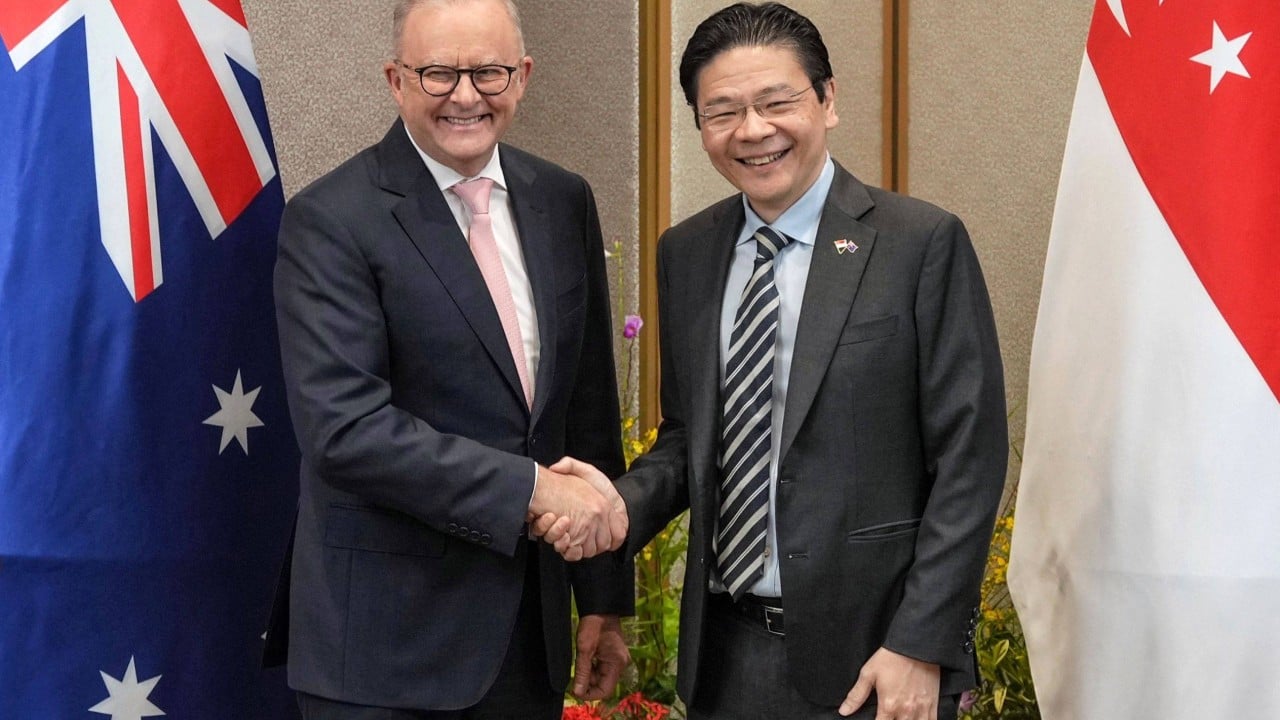
Paper promises don't pump oil.
When Singapore and Australia recently stood shoulder-to-shoulder to vow "uninterrupted fuel supply" amid global volatility, the market didn't rally. It yawned. These high-level diplomatic pledges are the energy equivalent of thoughts and prayers. They look great on a government press release, but they ignore the cold, hard physics of global logistics and the brutal math of commodity markets.
The "lazy consensus" pushed by mainstream analysts is that diplomatic alignment creates a safety net. It doesn't. In a true systemic shock—the kind that actually breaks supply chains—national interest trumps a memorandum of understanding every single time. If the lights go out in Sydney, no Australian politician is going to sign off on a tanker heading to Jurong Island.
The Sovereignty Trap
Governments love to talk about "friend-shoring." It’s the idea that if we only trade with our buddies, the risks disappear. This is a fundamental misunderstanding of how the energy market functions. Energy isn't a gift; it's a flow regulated by price and infrastructure.
Australia is a massive net exporter of energy, specifically LNG and coal. Singapore is a refining powerhouse. On the surface, the logic holds. But look at the friction. Australia has faced its own domestic gas crises despite being one of the world's largest producers. When domestic prices spiked and supply tightened on the East Coast, the talk wasn't about "uninterrupted supply" for neighbors; it was about the "gas trigger"—a mechanism to divert exports for local use.
If Australia cannot guarantee its own domestic price stability, how can it promise a foreign nation a frictionless supply during a global catastrophe? It can’t. These vows are political theater designed to soothe jittery investors, not a tactical strategy for energy resilience.
Logistics Eat Diplomacy For Breakfast
Let’s look at the actual mechanics of a supply shock. We aren't talking about a 5% dip in production. We are talking about the closure of the Strait of Hormuz or a total breakdown in South China Sea transit.
In these scenarios, the problem isn't a lack of "vows." The problem is insurance, freight rates, and physical security.
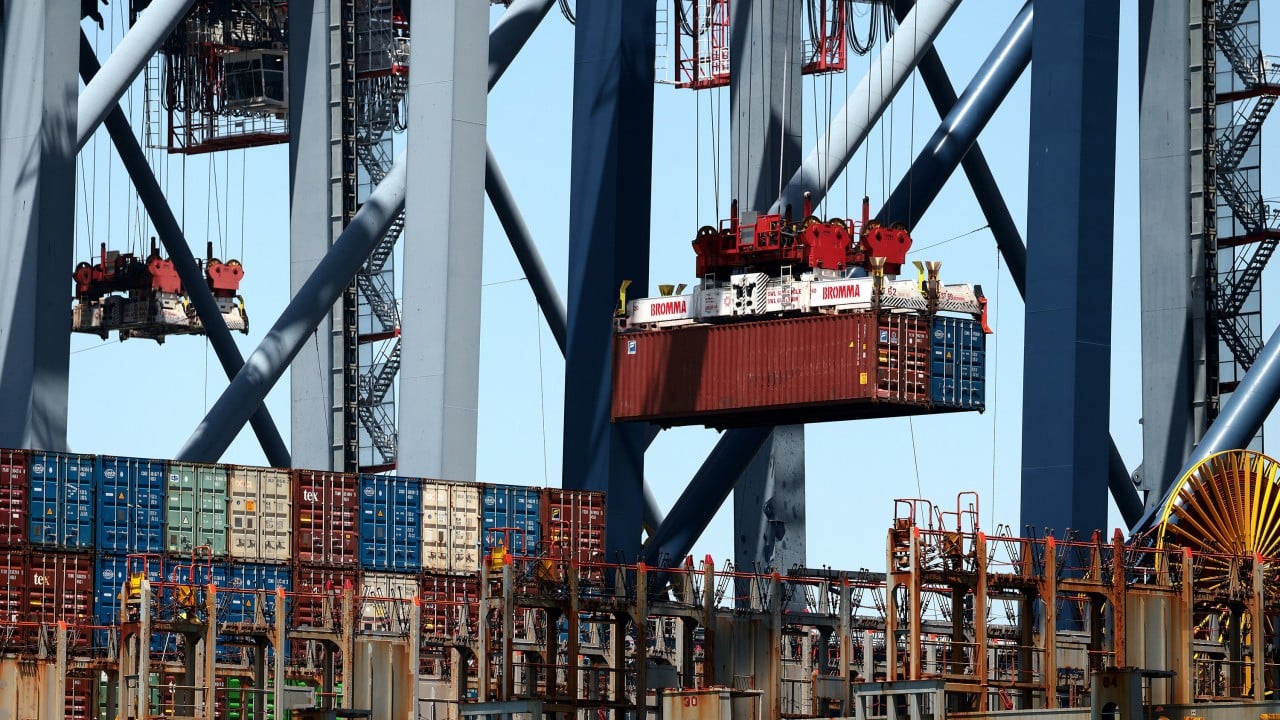
- Freight Spikes: During a crisis, the cost of chartering a VLCC (Very Large Crude Carrier) can skyrocket by 400% in a week.
- Insurance Risk: War-risk premiums can make a standard shipment economically impossible for the refinery at the other end.
- Naval Escorts: Neither Singapore nor Australia possesses the blue-water naval capacity to independently secure thousands of miles of sea lanes against a state-actor threat.
Relying on a bilateral agreement without a shared, joint-funded military escort fleet is like signing a contract to buy bread during a famine but having no truck to pick it up and no guards to stop the hijacking.
The Refining Fallacy
The common narrative suggests that Singapore’s status as a refining hub is a shield. It isn't. It’s a bottleneck.
Singapore imports almost 100% of its crude. To keep the "uninterrupted supply" vow to Australia, Singapore needs a steady stream of raw input from the Middle East or Africa. If that upstream supply breaks, the refineries go cold. Australia, despite its vast resources, lacks the specialized refining capacity for high-grade fuels (petrol and diesel) that its modern economy requires.
We have built a system where Australia sends raw materials to Asia, and Asia sends refined products back. This circular dependency is sold as "synergy." In reality, it is a double-ended vulnerability. Every extra mile a drop of fuel travels is a point of failure. A "vow" doesn't shorten the distance between the North West Shelf and the refineries in the Malacca Strait.
Dismantling the "People Also Ask" Delusions
Does a bilateral energy agreement lower prices?
No. Prices are set by global benchmarks like Brent or West Texas Intermediate. Unless Australia is willing to sell to Singapore at a massive, taxpayer-subsidized discount—which would violate WTO rules and trigger domestic outrage—the price remains tethered to the global chaos. You aren't buying security; you're buying a seat at the table where you'll still pay the market rate.
Can renewable energy replace the need for these fuel vows?
Not in the timeframe these politicians are discussing. The energy density of liquid fuels for shipping and heavy industry is irreplaceable in the short term. Claiming that a green hydrogen pilot program in 2026 mitigates a diesel shortage in 2027 is a dangerous lie. It shifts focus away from the immediate need for physical strategic reserves.
Why do countries make these deals if they are "useless"?
Signaling. It’s about credit ratings and foreign direct investment. It tells the World Bank and big tech firms looking to build data centers that the "business environment" is stable. It's a marketing brochure masquerading as a security policy.
The High Cost of Real Resilience
If these countries were serious about "uninterrupted supply," they wouldn't be shaking hands in front of flags. They would be doing the things that are politically unpopular and wildly expensive:
- Massive Onshore Storage: Australia’s historical failure to meet IEA 90-day fuel reserve requirements is a national scandal. True security means holding 120 days of physical, refined product in-country, under state control.
- State-Owned Tanker Fleets: Relying on the spot market for shipping during a war is a suicide mission. Resilience requires a sovereign fleet that operates regardless of commercial insurance spikes.
- Refining Sovereignty: Australia would need to re-industrialize and build modern, high-complexity refineries at home, even if they aren't "globally competitive" on a spreadsheet during peacetime.
The Harsh Truth of the Next Shock
I have seen boards of directors bet their entire supply chain on these types of government assurances. They treat a "vow" as a de-risking event. It’s a mistake that costs billions. When the crunch comes, the "special relationship" is the first thing to be sacrificed at the altar of domestic survival.
Imagine a scenario where the global oil supply drops by 15%. Tankers are being seized. The price of diesel hits $300 a barrel. In that moment, do you honestly believe a bureaucrat in Canberra will prioritize a refinery in Singapore over a trucking fleet in Queensland? Or that Singapore will prioritize Australian fuel needs over its own power grid?
The "uninterrupted" part of the vow is a fantasy. The supply will be interrupted. The only question is who gets cut off first.
Stop reading the communiqués. Start looking at the inventory levels. If it isn't in a tank on your soil, you don't own it, and no amount of diplomatic "commitment" will change that. Energy security isn't a handshake. It's a stockpile.
Buy more tanks. Fill them up. Everything else is just noise.