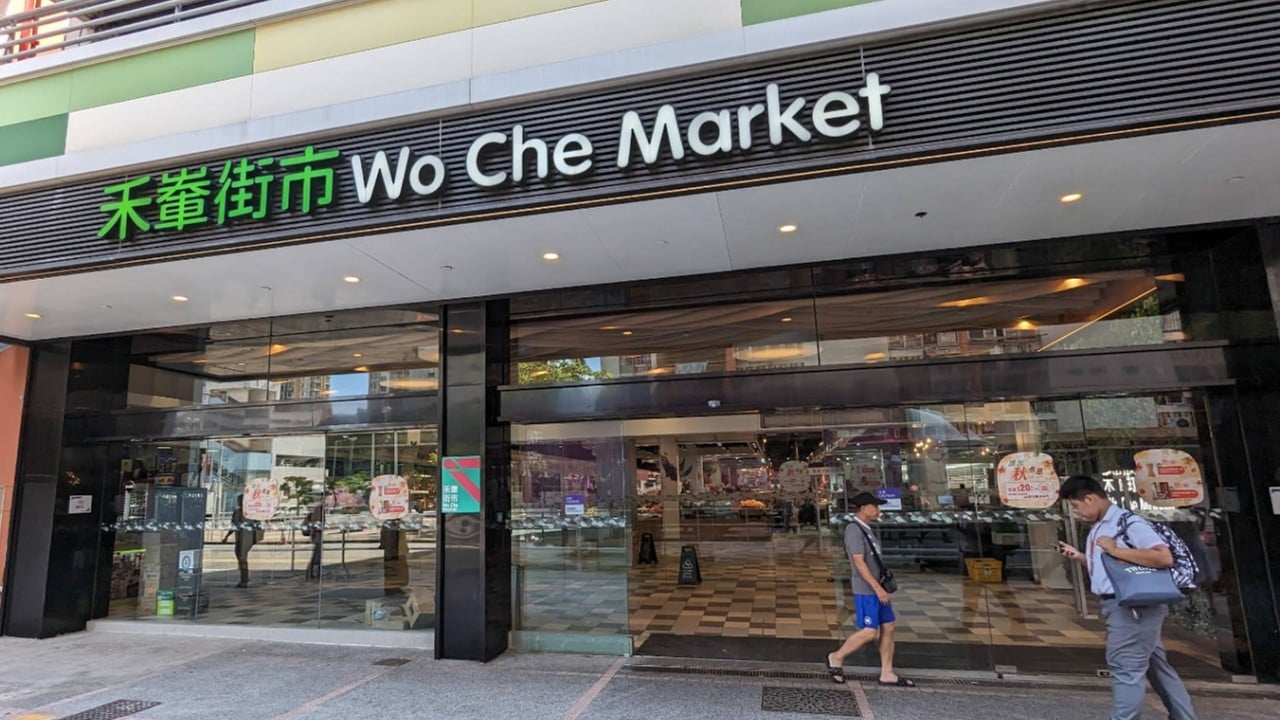
The detection of H9 avian influenza in a Hong Kong market sample following a pediatric infection exposes a systemic vulnerability in urban live-poultry supply chains. Standard reactive containment strategies—such as localized culling and temporary market closures—treat these events as isolated biohazards rather than predictable outcomes of specific ecological and economic pressures. To quantify and mitigate the risk of zoonotic spillovers, public health architecture must shift from descriptive surveillance to a mechanistic framework that maps viral load dynamics, cross-species transmission vectors, and the economic variables driving market operations.
The Three Pillars of Avian Influenza Spillover Risk
Zoonotic spillover is not a random stochastic event; it is the product of three intersecting operational variables. When all three reach critical thresholds within a localized geography, transmission to a human host becomes statistically highly probable.
       [ Pillar 1: Viral Persistence ]
                       │
                       ▼
 [ Pillar 2: Amplification Vectors ] ──► [ Zoonotic Spillover ]
                       ▲
                       │
     [ Pillar 3: Human Interface Density ]
1. Environmental Persistence and Viral Load Dynamics
The physical environment of an urban wet market acts as a stabilization chamber for influenza viruses. Ambient humidity, temperature fluctuations, and organic detritus dictate the half-life of viral particles on surfaces and in aerosols.
- The Moisture Matrix: Fecal matter and respiratory secretions shield the virion from desiccation. In high-humidity environments typical of subtropical retail spaces, the structural integrity of the viral envelope is maintained for extended periods.
- Surface Adhesion: Non-porous surfaces like stainless steel counters, plastic transport crates, and concrete flooring serve as reservoirs, allowing viral accumulation across multiple supply cycles if sanitization protocols lack chemical efficacy.
2. Amplification Vectors within the Supply Chain
Live-poultry markets compress diverse avian populations into high-density, high-stress environments. This operational design accelerates the transmission rate ($R_0$) within the market population through distinct mechanisms:
- Immunosuppression via Transport Stress: The physiological toll of crating, transport, and crowding elevates corticosterone levels in birds, suppressing their innate immune responses. Subclinical carriers rapidly transition to high-shedding states.
- Cross-Species Mixing: Housing different avian species (e.g., chickens, ducks, pigeons) in close proximity facilitates inter-species viral traffic. This creates an evolutionary incubator where low-pathogenic strains can circulate, reassort, and potentially acquire mutations that increase affinity for mammalian cellular receptors.
3. Human Interface Density
The final pillar is the frequency and nature of exposure between the viral reservoir and the human population. This interface is defined by two distinct cohorts:
- Occupational Exposures: Workers engaged in slaughtering, de-feathering, and evisceration encounter high-velocity aerosols and direct blood-to-skin contact. This cohort experiences sustained, high-dose exposure.
- Consumer Proximity: General patrons navigating narrow market aisles are exposed to low-dose, ambient aerosols generated by flapping wings and mechanical plucking machines. The pediatric case highlights this vulnerability, where shorter stature and developing respiratory systems intersect with stratified aerosol layers closer to the floor.
The Transmission Function: Quantifying the Path from Avian Host to Human Infection
To move beyond vague assessments of "increased risk," the probability of a human infection ($P_{inf}$) can be conceptualized as a function of the viral shedding rate, environmental survival, and host susceptibility.
$$P_{inf} = f(S_v \cdot E_s \cdot V_d \cdot H_s)$$
Where:
- $S_v$ represents the shedding volume of the avian population.
- $E_s$ is the environmental survival coefficient of the virus.
- $V_d$ is the volume of viral particles inhaled or ingested by the human host.
- $H_s$ is the specific host susceptibility index (determined by age, prior immunity, and receptor distribution).
The H9 subtype, particularly H9N2, utilizes a specific evolutionary pathway to optimize this function. Unlike highly pathogenic strains (like H5N1) that cause systemic illness and rapid death in birds, H9N2 typically causes mild or asymptomatic infection in poultry. This low pathogenicity is its greatest evolutionary advantage. Because infected birds do not display obvious clinical signs, they bypass visual screening protocols at checkpoints and enter the retail ecosystem undetected. The shedding volume ($S_v$) remains high and distributed across a broad, asymptomatic population.
Once inside the market, the virus leverages a critical molecular mechanism: a preference for $\alpha$-2,6-linked sialic acid receptors. Avian influenza viruses naturally bind to $\alpha$-2,3 receptors found predominantly in the enteric tracts of birds. Human upper respiratory tracts, however, are dominated by $\alpha$-2,6 receptors. Structural adaptations in the hemagglutinin (HA) protein of circulating H9 strains have demonstrated an increased affinity for these human-like receptors. This molecular shift directly inflates the host susceptibility index ($H_s$), lowering the minimum infectious dose required for a successful spillover event.
Structural Bottlenecks in Current Surveillance Paradigms
The positive sample identified in the Hong Kong market demonstrates that surveillance works as a diagnostic tool but fails as a preventative shield. The delay between viral introduction, human infection, sample collection, and laboratory confirmation exposes three structural bottlenecks.
The Lag-Time Asymmetry
Environmental sampling is typically periodic rather than continuous. If a batch of infected poultry enters a market on Monday, sheds viral particles into the environment, and is sold or slaughtered by Wednesday, a scheduled environmental swab on Thursday will catch residual viral RNA but miss the window to prevent exposure. The human infection occurs before the data confirms the hazard exists. This reactive lag transforms public health agencies into historians rather than interceptors.
Asymptomatic Dilution
Because H9 strains do not cause mass mortality in poultry, farmers have no economic or operational incentive to report low-level drops in egg production or minor respiratory symptoms in their flocks. The upstream supply chain remains a black box. Surveillance at the retail end point is forced to process an unstratified influx of birds, where a single highly infectious, asymptomatic flock can contaminate an entire multi-vendor facility via shared transport infrastructure.
Diagnostic Specificity vs. Speed
Standard real-time Polymerase Chain Reaction (qPCR) assays provide accurate identification of viral subtypes but require centralized laboratory infrastructure, transporting samples from the field, and batch processing. By the time a definitive positive for H9 is logged into an epidemiological database, the specific cohort of poultry responsible for the contamination has been distributed to consumers, obliterating the opportunity for contact tracing or targeted trace-back operations to the source farm.
Systemic Interventions: Designing an Impermeable Retail Biosafety Protocol
Upgrading urban biosecurity requires shifting away from broad, economically disruptive interventions like permanent market bans, which often drive the live-poultry trade underground and eliminate regulatory visibility. Instead, municipal strategies must employ targeted engineering and economic levers to decouple the live-poultry trade from human respiratory zones.
 [ Traditional Model ]  ──►  High-density exposure / Shared airspaces

 [ Segmented Model ]    ──►  [ Poultry Isolation Zone ] ──► Negative Pressure / HEPA
                                       │
                                       ▼ (Glass Barrier Partition)
                             [ Consumer Retail Zone ]   ──► Positive Pressure
Physical Barrier Segmentation
The architectural layout of wet markets must enforce a strict separation between the animal reservoir and consumer pathways.
- Airflow Compartmentalization: Retail stalls handling live birds must operate under negative air pressure relative to the main market walkways. Air must be drawn away from the consumer zone, passed through high-efficiency particulate air (HEPA) filtration systems, and exhausted above roof level to neutralize aerosolized particles.
- Transparent Physical Partitions: Consumers should not have direct physical access to the birds. Solid glass or plexiglass barriers must separate holding cages from retail aisles, preventing wing-flapping aerosols from entering human breathing zones while preserving visual inspection for consumers who value fresh selection.
Chemical Decontamination Optimization
Standard washing with water or basic detergents is insufficient to disrupt the organic matrices protecting surface-bound virions. Markets must mandate the use of specific, verified virucidal agents such as peracetic acid or quaternary ammonium compounds calibrated to strip organic biofilm. Cleaning schedules must transition from end-of-day protocols to cyclical interventions tied to batch deliveries, ensuring that the environmental reservoir is reset to zero before new, potentially vulnerable poultry cohorts are introduced.
Upstream Economic Desensitization
Surveillance must be moved closer to the origin of the supply chain through a system of economic incentives for farmers.
- Indemnity Funds for Asymptomatic Reporting: Governments should establish rapid-payout indemnity funds that compensate farmers at market value for flocks that test positive for low-pathogenic strains like H9. If farmers are financially protected against the losses of reporting a subclinical infection, they are more likely to participate in pre-transport testing regimes, preventing the virus from ever reaching urban centers.
- Digital Traceability Architecture: Every batch of poultry entering an urban market must be logged via a tamper-evident digital manifest tracking the farm of origin, transit route, and transport vehicle. When an environmental sample tests positive in a retail stall, automated network analysis can instantly identify overlapping supply nodes, allowing authorities to quarantine the specific source farm rather than shutting down regional commerce.
Limitations and Operational Constraints of the Proposed Strategy
Implementing a rigorous biosecurity framework introduces specific friction points that must be managed. No system is infallible, and optimizing for biosecurity creates secondary operational challenges.
- Capital Expenditure Thresholds: Retrofitting legacy wet markets with industrial negative-pressure HVAC systems and HEPA filtration requires substantial municipal or private investment. In densely populated urban areas, physical structural constraints may prevent the installation of necessary ductwork and exhaust systems.
- Compliance Attrition: Stringent sanitization protocols and physical barriers increase the transaction time per sale. Vendor compliance naturally degrades during peak shopping hours when customer throughput pressures dictate speed over biosafety protocols. Enforcement requires continuous, resource-intensive monitoring by municipal health inspectors.
- The Backyard Flock Blindspot: While commercial supply chains can be monitored and regulated, informal, small-scale poultry farming remains largely outside the data net. These unmonitored populations can act as persistent, wild-type reservoirs that periodically reintroduce the virus to commercial operations, bypassing upstream testing regimes.
Strategic Recommendation
Municipal health authorities must immediately deploy a dual-track strategy to neutralize the H9 spillover corridor before reassortment events yield a strain with sustained human-to-human transmissibility.
First, execute an immediate mandate for the installation of automated, continuous environmental air-sampling units within all live-poultry retail hubs. These units must utilize rapid isothermal amplification technologies capable of detecting influenza A matrix genes within 60 minutes, shifting surveillance from a retrospective diagnostic tool to a real-time operational gatekeeper.
Second, tie market operating licenses directly to a verified cold-chain transition matrix. The long-term policy objective must be the phased reduction of live bird volumes in urban retail centers, replacing them with centralized, biosecure slaughter facilities located outside urban perimeters. By shifting the slaughter process to industrial environments equipped with automated bio-containment, the human-poultry interface is restricted to a highly trained, vaccinated, and personal protective equipment (PPE)-monitored workforce, effectively removing the general public from the transmission function entirely.