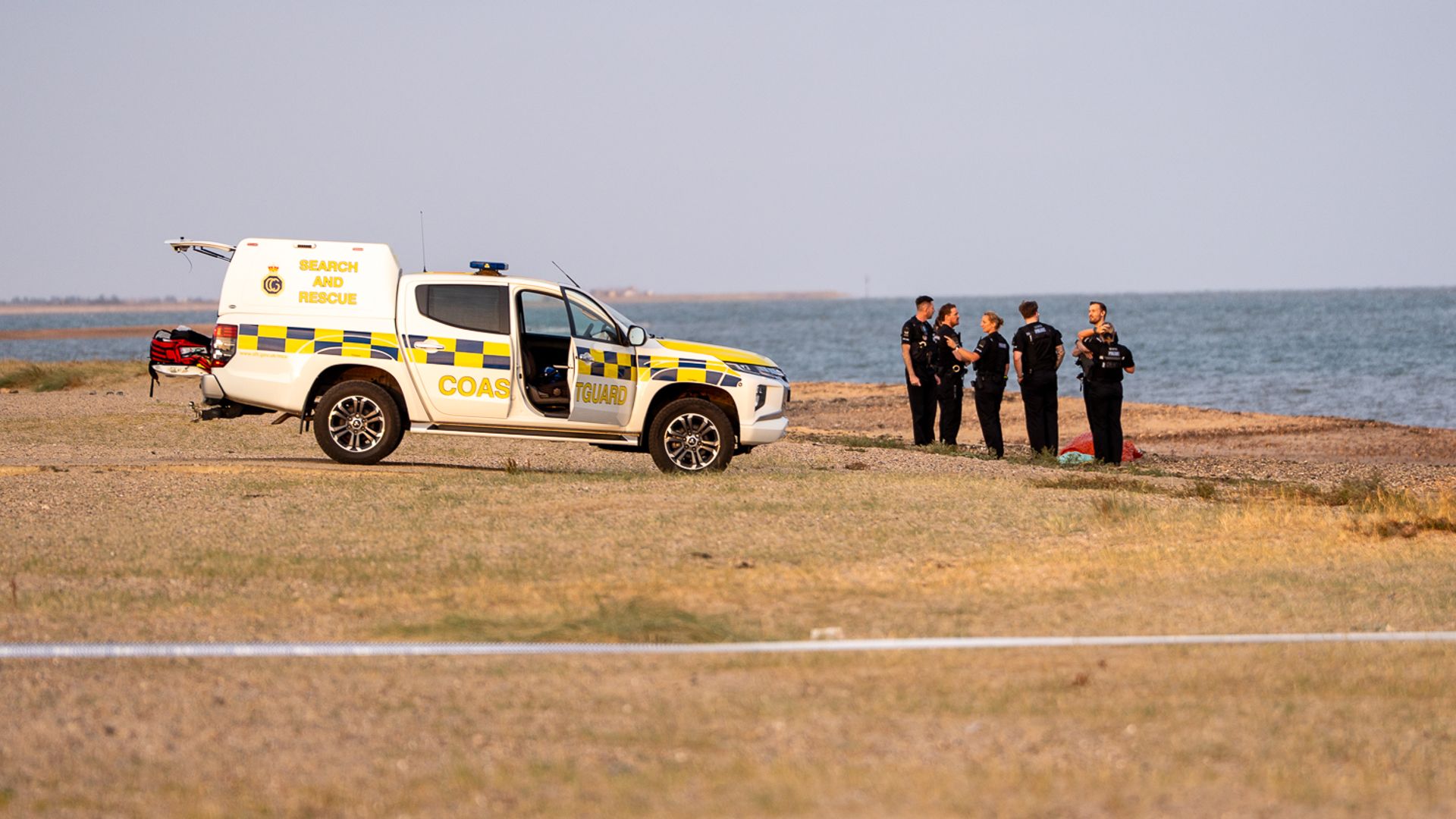
Tragedy arrives with a quiet finality that leaves communities shattered long before the official reports are filed. A seven-year-old boy lost his life in a hospital room exactly one week after a devastating incident in Essex claimed the lives of his mother and teenage sister. This compounding catastrophe did not occur in a vacuum. It unfolded against a backdrop of recurring water safety failures, delayed emergency interventions, and public infrastructure that routinely fails to protect vulnerable families during coastal and inland water excursions.
When a single family experiences a total wipeout in an aquatic environment, the public response follows a predictable arc. Shock turns to grief, grief curdles into anger, and then the news cycle moves on. But the structural realities remain. Understanding how three lives were lost in a sequence that defies casual misfortune requires looking past the immediate grief and examining the systemic vulnerabilities inherent in public water access across the United Kingdom.
The Anatomy of a Multi-Victim Aquatic Emergency
Water safety experts know that drownings rarely look like the cinematic struggle depicted in fiction. There is no frantic waving or shouting for help. True drowning is silent, rapid, and psychologically disorienting for anyone attempting a rescue.
When a mother and her teenage daughter entered the water in Essex under circumstances that quickly turned perilous, the timeline for survival narrowed to seconds. Panic is an accelerant. Once a swimmer realizes they are caught in a rip current, an unexpected drop-off, or severe undertow, physiological survival mechanisms override rational thought. Adrenaline spikes, breathing becomes erratic, and exhaustion follows within minutes.
What makes the Essex incident uniquely harrowing is the secondary toll. A bystander or family member attempting to rescue a drowning individual faces an extraordinarily high risk of becoming a secondary victim. Water rescue without proper training or flotation devices is a calculated hazard. The physics of buoyancy dictate that a panicked person will climb over a rescuer, pushing them beneath the surface in a desperate bid for air.
- The initial hazard goes unrecognized due to deceptive water conditions.
- The physical separation between victims and shore widens rapidly.
- Unprepared rescuers enter the water, compounding the casualty count.
- Emergency service response times stretch due to remote or difficult access points.
These dynamics are well-documented by the Royal National Lifeboat Institution and local rescue authorities. Yet public awareness campaigns continue to treat water safety as an optional advisory rather than an urgent survival curriculum.
Systemic Failures in Coastal and Inland Infrastructure
Essex features miles of coastline, estuaries, and tidal flats that present unique navigational and recreational dangers. The geography of these areas changes drastically with the tides. Mudflats can trap an adult with the suction force of wet concrete, while incoming tides cut off return routes to the mainland faster than a person can run.
Local authorities face a perpetual balancing act between public access and public safety. Fencing off every hazardous stretch of water is impossible. Heavy-handed prohibition destroys the recreational value of natural spaces. However, the current alternative relies too heavily on passive signage. Weathered wooden boards warning of danger are routinely ignored, vandalized, or obscured by seasonal overgrowth.
The Problem with Reactive Signage
Traditional warning signs fail because they rely on cognitive engagement that rarely happens when people are relaxed on a day out. A family heading to the water's edge is focused on leisure, not risk assessment.
- Visibility: Small text and dense paragraphs blend into the background.
- Context: General warnings about deep water do not explain localized hazards like sudden drop-offs or shifting mud.
- Timing: Warning signs are static, whereas water hazards are dynamic and change hourly with the tide.
Without active interventions—such as modern digital warning boards, clearly marked escape lanes, and strategically placed rescue equipment cabinets—public spaces remain traps for the uninformed.
The Long Tail of Medical Trauma
The survival of a drowning victim does not end when they are pulled from the water. Secondary drowning and delayed complications represent a treacherous medical frontier that claims lives days after the initial event.
When water enters the lungs, it damages the delicate surfactant that keeps alveolar sacs open. This triggers inflammation, pulmonary edema, and systemic hypoxia. Even if a person is resuscitated at the scene, fluid can accumulate in the lungs hours later, starving the brain of oxygen.
The seven-year-old boy survived the initial immersion event, only to succumb a week later in a clinical setting. This timeline points to the devastating reality of anoxic brain injury and multi-organ failure. Modern critical care can restart a heart, but it cannot always reverse the cascade of cellular death caused by prolonged oxygen deprivation.
Families are rarely counseled on the warning signs of delayed respiratory distress following a near-drowning incident. Persistent coughing, lethargy, and behavioral changes after swallowing water are red flags that demand immediate emergency evaluation. The medical community treats these cases with urgency, but public health messaging fails to educate parents on the invisible dangers that linger long after the patient has stopped coughing.
Rethinking Accountability and Public Safety
Assigning blame after a triple fatality is a reflex that satisfies the demand for justice, but it rarely prevents the next tragedy. Pointing fingers at exhausted parents or overwhelmed emergency responders ignores the broader structural failure.
True reform requires shifting from a culture of personal responsibility to a framework of collective protection. If natural environments carry inherent risks, the institutions managing those spaces must invest heavily in preventive infrastructure. This means permanent lifeguard presence during peak seasons at high-risk locations, mandatory swimming and survival education in primary schools, and immediate funding for local rescue volunteers who bear the psychological brunt of these recoveries.
The loss of three members of a single family in Essex should serve as a permanent turning point in how communities approach aquatic risk. Grief without reform is merely a rehearsal for the next disaster. Until local governments treat water safety with the same urgency as road safety or fire prevention, the coastline will remain a silent hazard waiting for its next victim.