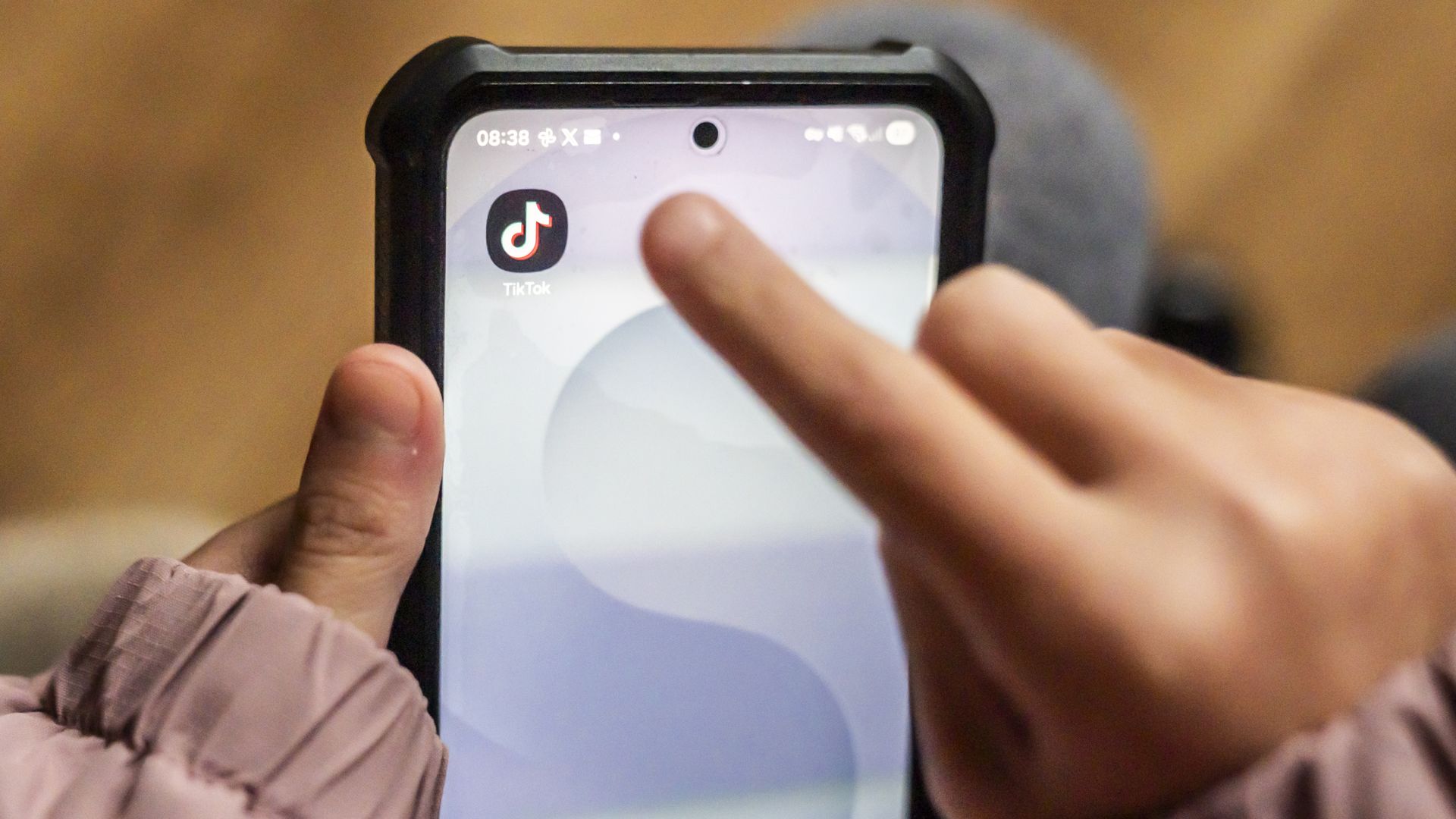
Brussels doesn't care about corporate excuses anymore. The European Commission just hit TikTok with formal charges under the Digital Services Act, claiming the platform fails to properly shield underage users from severe online risks.
If you think this is just another regulatory slap on the wrist, look closer. The EU has the power to fine companies up to six percent of their total global annual turnover for breaching these safety standards. For a tech giant backed by ByteDance, that translates to billions of dollars.
The Core Problem With Teen Default Settings
The main argument from EU tech regulators is straightforward. Safety shouldn't be an opt-in feature.
Right now, investigators point out that minor accounts on TikTok can too easily transition into public view. Even when kids try to keep things locked down, loopholes remain. Profile photos stay visible to anyone on the internet, including people without an active account. Other users can track down private profiles through follower and following lists.
EU tech chief Henna Virkkunen made it clear that high levels of protection must be baked into the default user experience. When a teenager opens the app, the architecture should protect them automatically. Instead, regulators argue that current design choices expose minors to cyberbullying, unwanted contact, and predatory grooming.
The Algorithmic Rabbit Hole
It is not just about who can look at a profile. The broader issue involves how TikTok pushes content through its recommendation engine.
When 16- and 17-year-olds set their accounts to public, the algorithm can recommend their videos globally. Millions of strangers see content created by minors. Regulators argue that this algorithmic amplification creates lifelong digital footprints that kids cannot erase later.
TikTok defends its platform by pointing to existing safeguards. The company maintains that teen accounts include numerous preset safety features and that under-18 accounts have specific restrictions. Representatives stated they will review the preliminary findings and continue talking with European regulators.
Broader Crackdowns Across Europe
This isn't happening in a vacuum. Europe is leading a massive global shift against big tech platforms.
France just became the first European Union country to block social media for children under 15. Independent expert panels recommend banning social media access entirely for children under 13 across the entire bloc. Brussels is also working on a standardized age-verification application to force platforms into strict compliance.
Meta faces similar heat over addictive infinite-scrolling designs. The era of self-regulation for social media companies has officially ended in Europe.
TikTok now has a window to respond to these preliminary charges. If the European Commission remains unsatisfied with their adjustments, expect heavy financial penalties and mandated redesigns that will change how minors experience short-form video apps forever.