Brussels is panic-buying stability with money it doesn’t have.
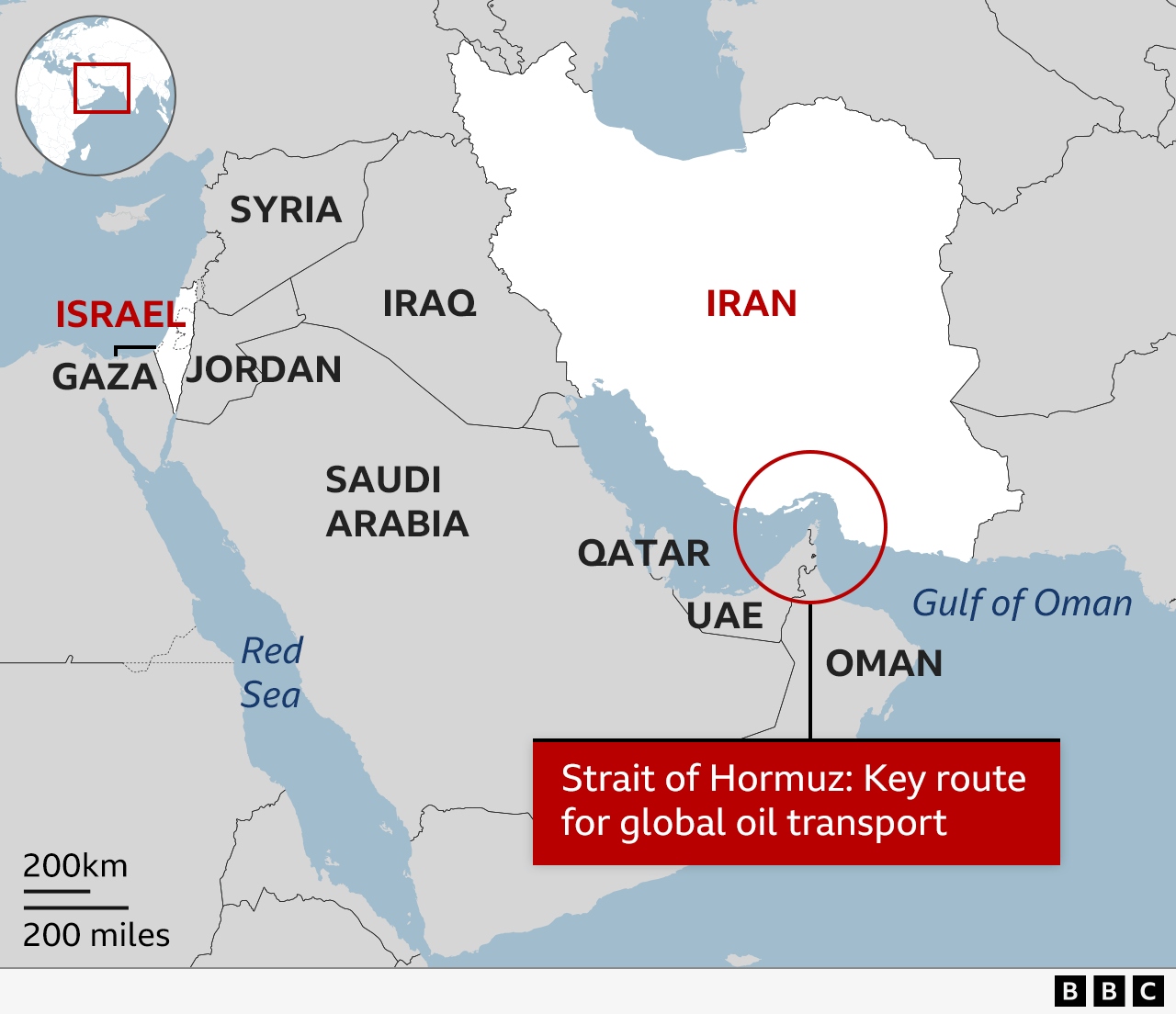
The latest chorus of "tax cuts" and "gas coordination" echoing through the halls of the European Commission is not a strategy. It is a suicide note dressed in bureaucratic jargon. As tensions in the Middle East threaten to choke the Strait of Hormuz and send Brent crude into a vertical climb, the EU’s response is to hand out umbrellas in a hurricane. Also making waves in related news: The Mechanics of Sontaku Structural Inefficiency and Institutional Decay.
The consensus view—the one Reuters and every other major outlet dutifully parrots—is that the state must intervene to "ease the blow" for consumers. They argue that by slashing VAT on energy and pooling gas purchases, Europe can weather the storm of an Iranian conflict.
They are dead wrong. More details regarding the matter are covered by Harvard Business Review.
These interventions don't solve the energy crisis; they subsidize the very inefficiency that created it. By artificially lowering the price of a scarce resource, European governments are encouraging people to burn more of what they don't have. It is an economic hallucination that will end in a systemic seizure.
The Subsidy Trap: Feeding the Fever
When you cut taxes on energy during a supply crunch, you are performing a reverse-triage.
Basic economics dictates that price is a signal of scarcity. If supply drops because of a war in the Middle East, prices must rise to force a reduction in demand. This is painful, yes. It is also the only way a market rebalances.
When the EU "cushions" the blow, they are effectively telling the market to ignore reality. They are using taxpayer funds to keep demand high while supply vanishes.
Consider the "price cap" theater we saw in 2022. It didn't create more gas; it just ensured that the gas which did exist went to the highest bidder elsewhere while Europeans patted themselves on the back for "regulating" a global commodity. If the EU repeats this playbook during an Iranian escalation, the result won't be cheaper energy. It will be blackouts.
I have watched policy teams burn through billions in "emergency relief" that ended up in the pockets of state-owned energy giants while the manufacturing base moved to Texas or China. We are subsidizing our own deindustrialization.
Gas Coordination is a Paper Shield
The "Joint Purchasing" mechanism is the EU’s favorite piece of vaporware. The theory is that by acting as a single bloc, Europe gains "leverage" over suppliers like Qatar or the United States.
In reality, the global LNG market is a shark tank. Suppliers don't care about European solidarity; they care about long-term contracts and infrastructure. While the EU bickers over "fair distribution" between member states, Asian buyers are signing 20-year deals that lock up the very supply Europe thinks it can "coordinate" on the fly.
Coordination is not a substitute for production.
Europe’s refusal to develop its own shale resources or embrace nuclear energy with actual urgency has left it a hostage to geography. An Iran-Israel conflict isn't just a "blow" to be eased; it is a structural revelation. It reveals that the European Green Deal was built on the assumption of cheap, perpetual Russian gas, and the "pivot" is currently built on the hope that the Middle East stays quiet. Hope is not an energy policy.
The Brutal Truth About Tax Cuts
Slashing energy taxes is the ultimate political cowardice.
Governments love it because it looks like they are "doing something" without having to make the hard choice of telling citizens that the era of cheap energy is over. But here is the math:
- Tax revenue drops.
- Deficits rise.
- Interest rates stay higher for longer because of fiscal profligacy.
- The currency weakens.
- Imported energy—priced in USD—becomes even more expensive.
It’s a feedback loop of failure. By "protecting" the consumer today, the EU is devaluing the consumer's savings and future purchasing power tomorrow. You aren't saving 10% on your heating bill; you're trading it for 15% inflation across the rest of your life.
The Only Path Out: Radical Austerity and Atomic Acceleration
If Europe actually wanted to survive an Iranian energy shock, it would do the opposite of what the "insiders" suggest.
First, stop the subsidies. Let the price hit the ceiling. This sounds cruel, but it is the only way to trigger the massive, private-sector shift in efficiency required to stay competitive. When energy is expensive, companies innovate. When it’s subsidized, they stagnate.
Second, pivot every cent of that "emergency relief" fund into localized generation that actually works. We don't need more "coordination meetings." We need small modular reactors (SMRs) and we need them yesterday. We need to stop pretending that wind and solar can provide the baseload for a continent that wants to keep its steel mills and chemical plants.
Third, stop the regulatory war on domestic extraction. If there is gas under the North Sea or in the shale deposits of France and Poland, it needs to come out of the ground. The "moral" stance of importing fracked gas from the US while banning it at home is the height of continental hypocrisy and economic suicide.
Stop Asking the Wrong Questions
People always ask: "How can the government make my energy bill cheaper?"
The honest, brutal answer is: They can't. They can only move the debt around.
The real question you should be asking is: "Why am I living in a jurisdiction that treats energy like a social service rather than a strategic resource?"
If you are waiting for a tax cut to save your business or your household, you have already lost. The "blow" isn't coming; it's already here. The EU is just trying to make sure you don't notice the floor falling out until after the next election cycle.
Stop looking to Brussels for coordination. Look to your own resilience. Invest in efficiency that doesn't rely on a government check. Hedge your own risk. The era of the European energy safety net is burning down, and the "tax cuts" are just more fuel for the fire.
The market is coming for Europe's delusions. No amount of "gas coordination" will stop the physics of a supply shortage. Either the continent adapts to high-cost energy by becoming the most efficient economy on earth, or it becomes a museum of 20th-century industrial dreams.
Pick one. Because the subsidies are running out.