Forget waiting years for a massive full-scale armored invasion across the European plains. Western spy agencies now warn that Moscow could strike NATO territory in a matter of months.
European intelligence chiefs, including Czech counterintelligence head Michal Koudelka and Danish security officials, point to an alarming shift in the Kremlin's playbook. Instead of a traditional red-line military offensive, Moscow is weaponizing hybrid warfare, targeting critical logistics hubs, and orchestrating false-flag operations to test the alliance's collective resolve.
The Shift From Random Sabotage to Targeted Disruptions
For a long time, Western security services treated mysterious fires, broken undersea cables, and cyber disruptions as isolated criminal acts or random acts of mischief. That dangerous mindset is gone. Intelligence data reveals a systematic transition toward high-consequence sabotage targeting Europe's defense manufacturing capacity and railway lines.
Take the recent armed drone incident at Leipzig airport in Germany. Military analysts view that event as a watershed moment—a clear proof-of-concept for how easily critical civilian infrastructure can be compromised. When drones or explosive packages start hitting logistical veins supporting Ukraine, the line between proxy conflict and direct confrontation blurs completely.
Moscow's primary objective isn't necessarily capturing major European capitals right away. It's psychological exhaustion. The Kremlin calculates that sustained pressure, localized border incursions, and infrastructural chaos will eventually crack political unity within NATO, forcing member states to scale back aid to Kyiv.
Inside the Threat Assessment Divide
Not every Western official reads the immediate tea leaves the same way, and that friction matters. Intelligence leaders stationed in the Baltic states—who live directly on the Russian frontier—offer a more measured assessment of a full military invasion.
Normunds Mežviets, director general of Latvia's State Security Service, has argued that while Moscow is undeniably preparing for long-term confrontation, seeing an imminent massive invasion risks playing straight into Russian psychological operations. Panic benefits the Kremlin. It causes economic jitters, splits political parties, and triggers self-deterrence across Western capitals.
Yet, beneath this debate over whether a physical incursion is days away or part of a broader destabilization campaign, the hard data remains grim. Russian operatives are actively mapping vulnerabilities across Europe's power grids, transport networks, and satellite communications.
What Governments and Citizens Must Do Now
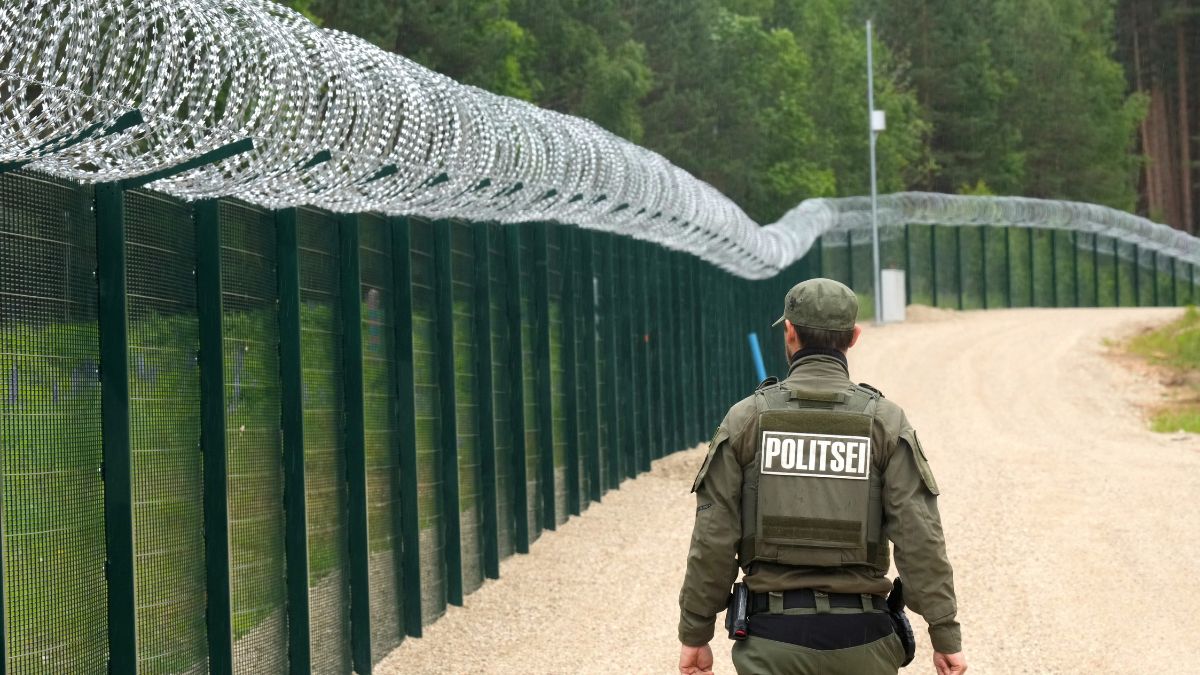
You can't fix a security architecture built for peacetime by simply drafting more strongly worded press releases. European defense ministries are scrambling to harden borders, deploy naval escorts for merchant shipping, and upgrade counter-sabotage protocols around key industrial plants.
If you run a business with critical supply chains linked to European transport hubs, or if you simply follow global security trends, stop treating this as background noise. Diversify your operational dependencies, audit your digital infrastructure for state-sponsored intrusions, and prepare for a prolonged period of elevated geopolitical friction. The window to reinforce Western resilience is closing fast.