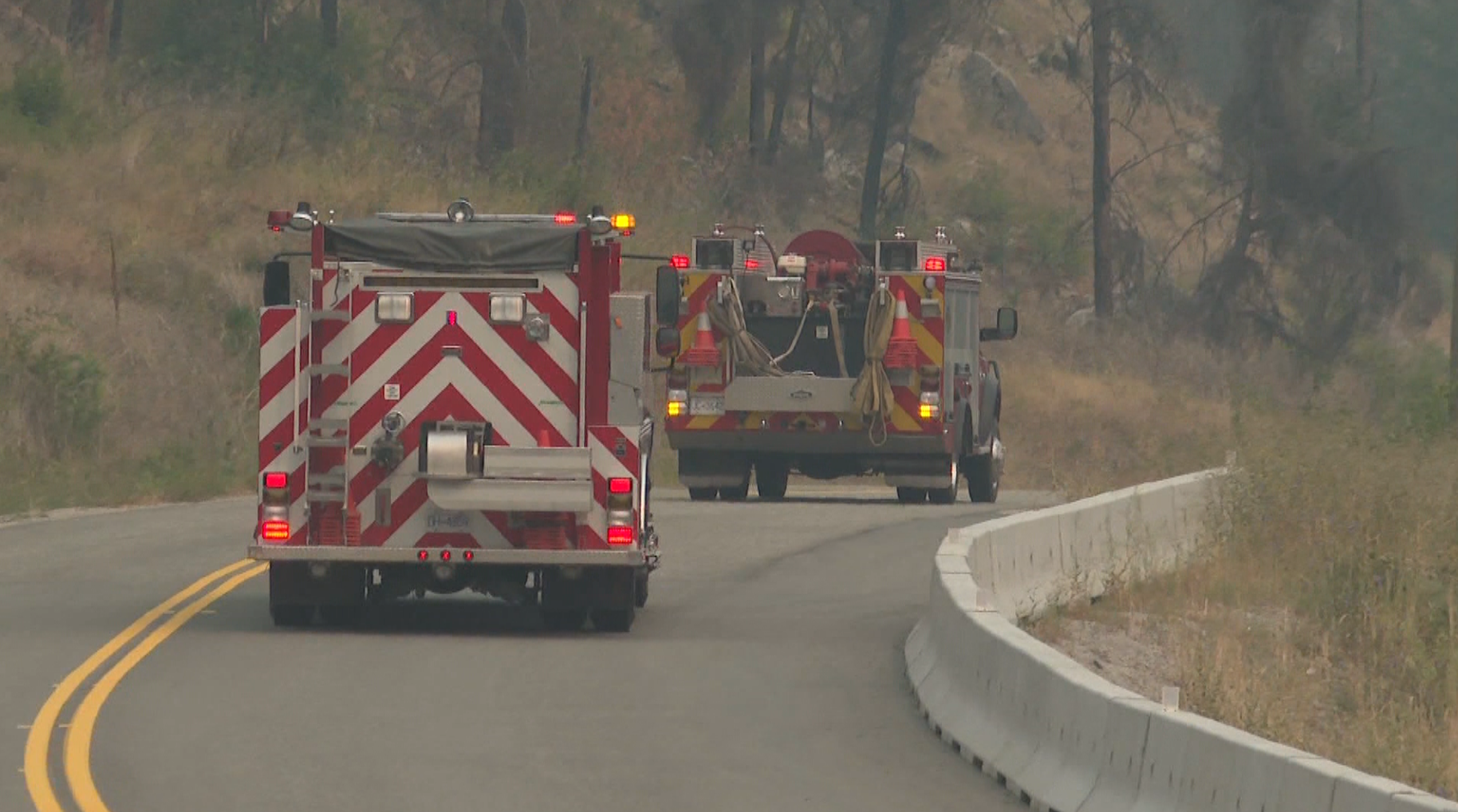
Every single fire season, the playbook rolls out with predictable, bureaucratic mechanical precision. A smoke column rises over the ridge, local authorities trigger emergency alerts, and a mandatory evacuation order drops like a guillotine. The official narrative is uniform, unquestioned, and treated as moral law: stay behind and you are a reckless adrenaline junkie gambling with your life and draining municipal resources.
The lazy consensus says run. The instinctual panic says flee. But operational reality on the ground tells a radically different, far more uncomfortable story.
When residents in the Okanagan wildfire zone refuse to pack up and clear out, official channels paint them as selfish liabilities. That framing is lazy. It ignores the deeply rational calculation homeowners make when faced with abandoning everything they own to the mercy of shifting winds and under-resourced fire camps. Blanket evacuation mandates sound clean on a press release, but they ignore human behavior, property defense mechanics, and the actual physics of wildland urban interface survival.
The Flawed Architecture of Blanket Orders
Let us look at how emergency response manages crisis zones. The moment an evacuation order becomes mandatory, civil infrastructure transforms into a parking lot. Gridlock on single-lane escape routes turns a manageable defensive posture into a literal death trap of idling vehicles surrounded by dry timber.
I have watched emergency management frameworks collapse under their own rigid uniformity. When you tell an entire valley of fifty thousand people to leave simultaneously, you create the exact bottleneck that feeds spot fires with panicked traffic.
The assumption underpinning every mandatory order is that municipal crews can protect abandoned property better than the people who built, maintained, and understand every square foot of it. That is a statistical fantasy. Fire departments do not have the manpower to place an engine in every driveway. They triage. They protect high-density infrastructure and write off individual homesteads. If you leave, your home becomes a roll of the dice handled by an exhausted crew from three provinces over who cannot tell a cedar shake roof from a standing seam metal deck.
The Homeowner Defense Factor
Dismissing residents who stay as simple obstructionists misses the entire point of modern property resilience. The people who refuse to leave are rarely waiting for a miracle; they are armed with sprinklers, backup pumps, gutter clears, and generator fuel.
Look at the data from past interface fires across British Columbia and the western United States. A staggering percentage of homes saved during severe firestorms are saved not by overstretched wildfire branches, but by homeowners and local volunteers who stayed behind to knock down spot embers.
Leaving a property completely un-monitored during an active ember storm is an invitation for localized ignition. Embers travel miles ahead of the main front. A single spark landing in dry pine needles beneath a deck can take hours to smolder before bursting into flame. If nobody is there with a garden hose or a backpack pump, a structure burns from the inside out while the main fire is still a ridge away.
This is not to romanticize staying in a red zone. The risks are profound, and downplaying them is journalistic malpractice. Staying means breathing toxic particulate matter, risking entrapment if wind directions shift violently, and cutting off escape options once the crown fire hits the access roads. If you stay without water, without power generation, and without a clear egress plan, you are a liability.
Yet treating every holdout as a monolithic problem invites worse policy.
Redefining the Evacuation Paradigm
Emergency operations centers need to pivot from authoritarian compulsion to cooperative risk management. Instead of treating residents as children who must be cleared off the board, authorities should integrate willing, equipped property owners into the defensive line.
Instead, the current model relies on an all-or-nothing binary: evacuate blindly or face the full weight of the law. That binary fails because property owners value their life's work more than a bureaucrat values liability mitigation. When the penalty for staying is social ostracization and legal threat, people hide from authorities, refuse to communicate their locations, and make rescue operations infinitely more dangerous when things go sideways.
We need to stop pretending that an evacuation order guarantees safety. It guarantees cleared roads for emergency vehicles, nothing more.
If you are trapped in an evacuation zone or evaluating your options for the next red-flag warning, understand the trade-offs clearly. Blanket orders are issued for legal liability and logistical clearance, not tailored property preservation. If your property is prepped with defensible space, independent water sources, and non-combustible building materials, your survival odds often skyrocket by staying—provided you possess the discipline to retreat the second crown fire reaches your perimeter.
The official narrative demands blind compliance. Reality demands calculated, gritty self-reliance. Stop waiting for permission to protect what you built.