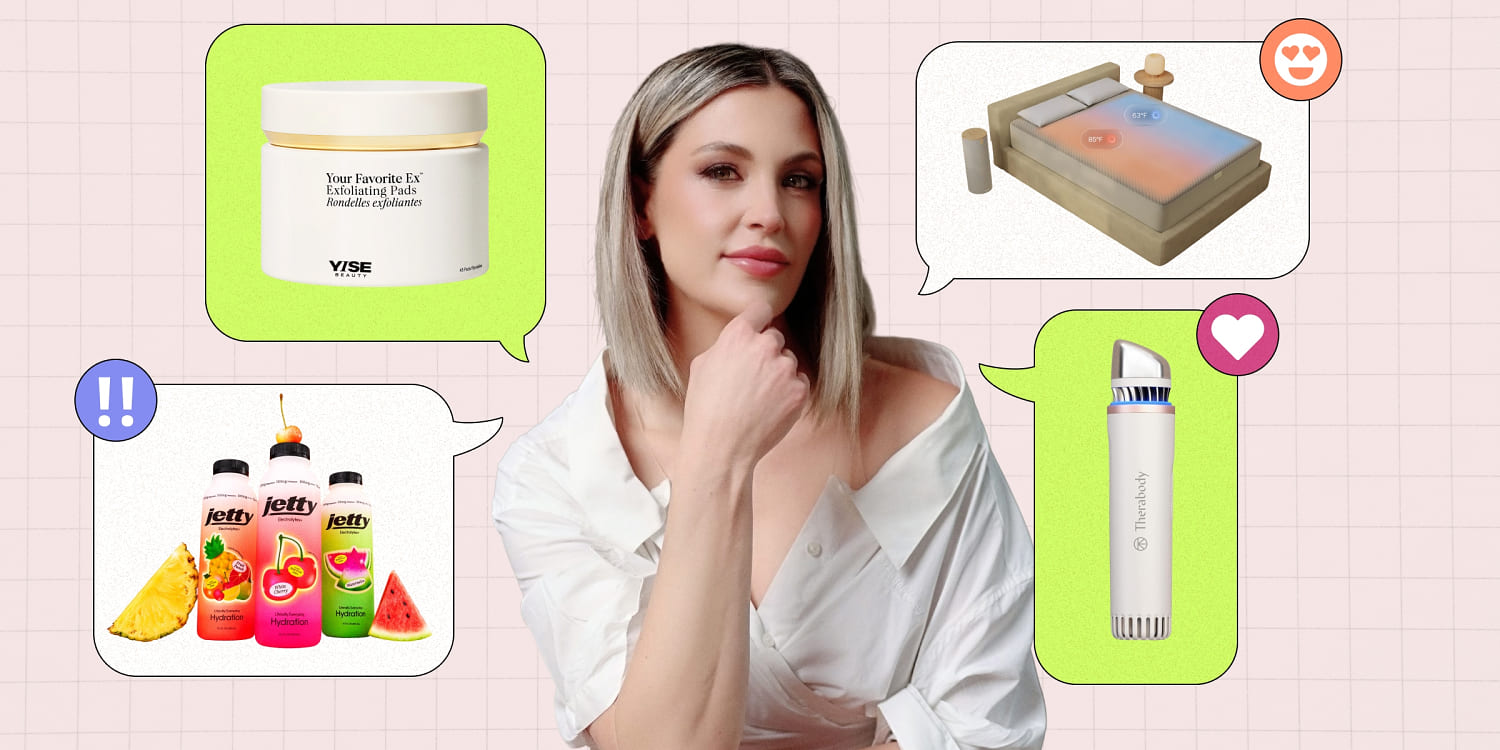
"Water is boring." That is the entire thesis behind Jetty, the new hydration brand from Allison and Stephen Ellsworth, freshly minted billionaires after PepsiCo bought Poppi for $1.95 billion.
Founder-led virality. Pre-launch waitlist hype. A physical status card called the J-Card. Low sodium, coconut water, cassava root fiber, B vitamins, 45 calories, and a pitch aimed squarely at everyday life rather than sweaty marathons.
Coverage of the launch treats this like a replay of the Poppi miracle. Same founder playbook. Same TikTok charisma. Same promise to disrupt a sleepy beverage aisle.
That read is lazy.
Poppi was a Trojan horse for nostalgia in a cooler. People did not buy Poppi because they craved acetic acid or prebiotic fiber in micro-doses; they bought a familiar soda experience wrapped in wellness permission. Hydration is a completely different beast. Calling a low-sodium, 45-calorie flavored water an "anti-hydration hydration" drink does not rewrite human physiology. It rebrands flavored water with a wellness halo.
The Lazy Consensus Around Founder-Led Beverage Magic
Industry press loves a repeat-winner narrative. Take a founder with hundreds of thousands of social followers, pair her with an exit story, drop a glossy launch video, and watch retail buyers line up. The lazy consensus says founder distribution solves everything in consumer packaged goods.
Distribution gets you on the shelf. Repeat velocity keeps you there.
I have watched plenty of CPG brands burn cash celebrating first-order sell-in while ignoring second-order repeat rates. A viral founder can pull curiosity volume out of thin air—especially when promising exclusive drops, pop-ups, or a scarce physical perk like the J-Card. Curiosity is a one-time transaction. Habit is what pays rent in year three.
Even the "everyday hydration" white space is far more crowded than launch hype suggests. Brands like Leisure, Cure, and dozens of functional waters have already been chasing the non-athlete, all-day sipping occasion. Saying there is "nothing like it on the market" makes for a punchy headline, not an unassailable moat. When competitors immediately point out they have been building that exact occasion for years, your differentiation has to live in the bottle, not just the founder's feed.
What "Everyday Hydration" Actually Means Physiologically
Let us strip away the marketing vocabulary and look at what hydration actually requires.
Hydration is the restoration and maintenance of body water and electrolyte balance. Plain water does the heavy lifting for normal daily fluid needs in healthy adults. Electrolytes—particularly sodium—matter most when sweat losses are substantial, prolonged, or paired with heavy fluid replacement, because sodium drives extracellular fluid retention and thirst signaling.
Jetty leans into a very different formulation: under 100 milligrams of sodium per serving, 310 milligrams of potassium, 100 milligrams of magnesium, six grams of sugar, 45 calories, coconut water from concentrate, cassava root fiber, and B vitamins.
Look closely at those numbers. Under 100 milligrams of sodium is tiny compared to traditional sports or performance rehydration drinks, which often push several hundred milligrams to replace sweat losses. Ellsworth has been candid about why: high-salt drinks made her feel bloated and caused her fingers to swell, partly after starting GLP-1 medications that blunted her thirst cues and left her with afternoon headaches.
That personal trigger explains the product design. If you are not running ten miles in ninety-degree heat, pounding salty electrolyte packets can feel heavy or unnecessary. A lower-sodium, lightly sweetened drink feels much easier to sip at a desk or while traveling.
Still, do not confuse palatability with superior hydration. A drink with under 100 milligrams of sodium and a splash of coconut water concentrate is primarily a low-calorie, lightly flavored refresher with modest minerals. If someone is sweating heavily for an hour or more, a low-sodium bottle will not replace lost salt the way a higher-sodium formula or salty food plus water will. Calling every sip "hydration" stretches a real physiological term until it loses precision.
The Prebiotic Halo Problem Returns
Anyone who tracks functional beverages knows the prebiotic playbook well. Put a gut-health buzzword on the front label, and shoppers assume clinical impact.
Jetty includes cassava root fiber alongside a claim of prebiotics, showing three grams of total dietary fiber per bottle without breaking out the exact standalone gram weight of the cassava fiber or specifying the exact fiber isomer.
Here is the clinical reality that beverage marketing routinely blurs: a prebiotic is a substrate selectively utilized by host microorganisms conferring a health benefit—a definition refined by consensus panels such as the International Scientific Association for Probiotics and Prebiotics. Not every dietary fiber is proven to shift gut microbiota meaningfully at low doses, and gut response depends heavily on total daily intake, baseline microbiome composition, and individual tolerance.
Published human studies on resistant maltodextrins or tapioca-derived fibers generally test meaningful daily intakes—often several grams to tens of grams per day—to observe measurable shifts in stool output, glycemic response, or specific bacterial genera. Three grams of total fiber in a single bottle is a light nudge, not a therapeutic gut intervention. Worse, adding fermentable fibers to beverages can trigger gas or bloating in people with sensitive digestion or irritable bowel symptoms, even when the front label whispers "wellness".
Imagine a scenario where a consumer buys two or three bottles a day thinking "more prebiotics equals better gut health," only to end up with afternoon stomach cramping because their gut is not used to concentrated soluble fibers on top of daily meals. That is the hidden friction of stacking functional claims onto an "all-day" drink.
Are You Asking the Right Question About Jetty?
Most coverage asks whether Allison Ellsworth can pull off another billion-dollar exit after Poppi. That is the wrong question.
A $1.95 billion sale to PepsiCo does not prove a formula works in every aisle; it proves a strategic buyer paid top dollar for a high-growth brand at a specific moment in beverage M&A. Asking "Will she do it again?" focuses on lottery-ticket outcomes instead of unit economics and category physics.
The sharper question is this: Can a low-margin liquid beverage survive against powders and tap water once the novelty fades?
Why People Also Ask: Is Jetty Better Than Plain Water for Daily Hydration?
For basic daily fluid balance in a healthy person, no. Plain water has zero calories, zero added sugar, zero fiber-induced GI risk, and costs pennies.
Where a flavored beverage wins is behavioral compliance. If someone refuses to drink enough plain water because they find it dull, and a 45-calorie drink helps them stop reaching for high-sugar sodas or afternoon energy drinks, the real win is substitution, not biochemical superiority over H2O.
Why People Also Ask: Does Low Sodium Make a Hydration Drink Safer or Smarter?
Lower sodium is smarter only if your baseline diet already delivers plenty of sodium and your sweat loss is low. Most Western diets already contain high amounts of sodium from processed and restaurant foods, so adding heavy electrolyte salt when you are sitting at a laptop all day can be redundant.
Flip the context—say, outdoor labor, long endurance sessions, or heavy sauna use—and cutting sodium too low becomes a performance flaw. Context dictates the formula. One-size-fits-all hydration is a myth.
Why People Also Ask: Why Launch Both Bottled Drinks and Powders at Once?
Launching ready-to-drink bottles alongside stick packs is a classic omnichannel play. Bottles win cold-box impulse and retail shelf presence; powders cut shipping weight per serving, lower unit cost, and travel easily in a bag.
The catch is operational complexity. Two formats mean two supply chains, two margin profiles, and twice the risk of confusing your core positioning if the bottle feels like a treat while the powder feels like a supplement.
Where This Contrarian Bet Can Backfire
Being contrarian does not make you immune to blind spots. Here is where pushing back on Jetty's hype could go wrong.
First, I may be underestimating the sheer compounding power of a founder who already crossed the chasm once. When a founder proves they can move mountains—even through gritty hustle, relentless social content, and bold retail pitches—retail buyers and consumers grant extra grace. Dismissal is cheap; execution is expensive.
Second, GLP-1 appetite and thirst shifts are not a passing fad. Medications that alter hunger, satiety, and thirst signaling are reshaping how millions of people eat and drink. Formulating lighter, less salty, lower-volume beverages for people whose appetites and thirst cues feel muted could tap into a very real, durable shift in consumer habits.
Third, a brand does not need clinical-grade electrolyte dosing to win mass market share if taste, aesthetic, and community hit the cultural nerve first. Poppi proved that consumer perception and cultural momentum can outrun purist ingredient critiques for years.
Playbook for Beverage Builders and Smart Buyers
If you are building a beverage brand—or deciding what actually belongs in your fridge—skip the hype cycle and run this playbook instead.
- Name the exact job-to-be-done. Decide whether your product is a refreshment swap (replacing soda or juice), a sweat-replacement tool, or a palatability aid for low-thirst moments. Do not pretend a light sipper is a marathon recovery drink.
- Match functional doses to reality. If you put an active ingredient on the front label, make sure the dose and format make sense for how people actually consume it—and warn clearly if sensitive stomachs might react.
- Earn repeat without bribes. Scarcity drops, waitlists, and exclusive cards spike launch day. Only taste, price-value, and consistent availability drive reorder rates six months later.
- Buy for the occasion, not the logo. If you are a consumer, check calories, sugar, sodium, and price per serving. If you just want flavor without paying a celebrity-founder markup, unsweetened seltzers, citrus-infused water, or basic electrolyte mixes often do the job for less.
Hype sells the first bottle; real utility sells the tenth.