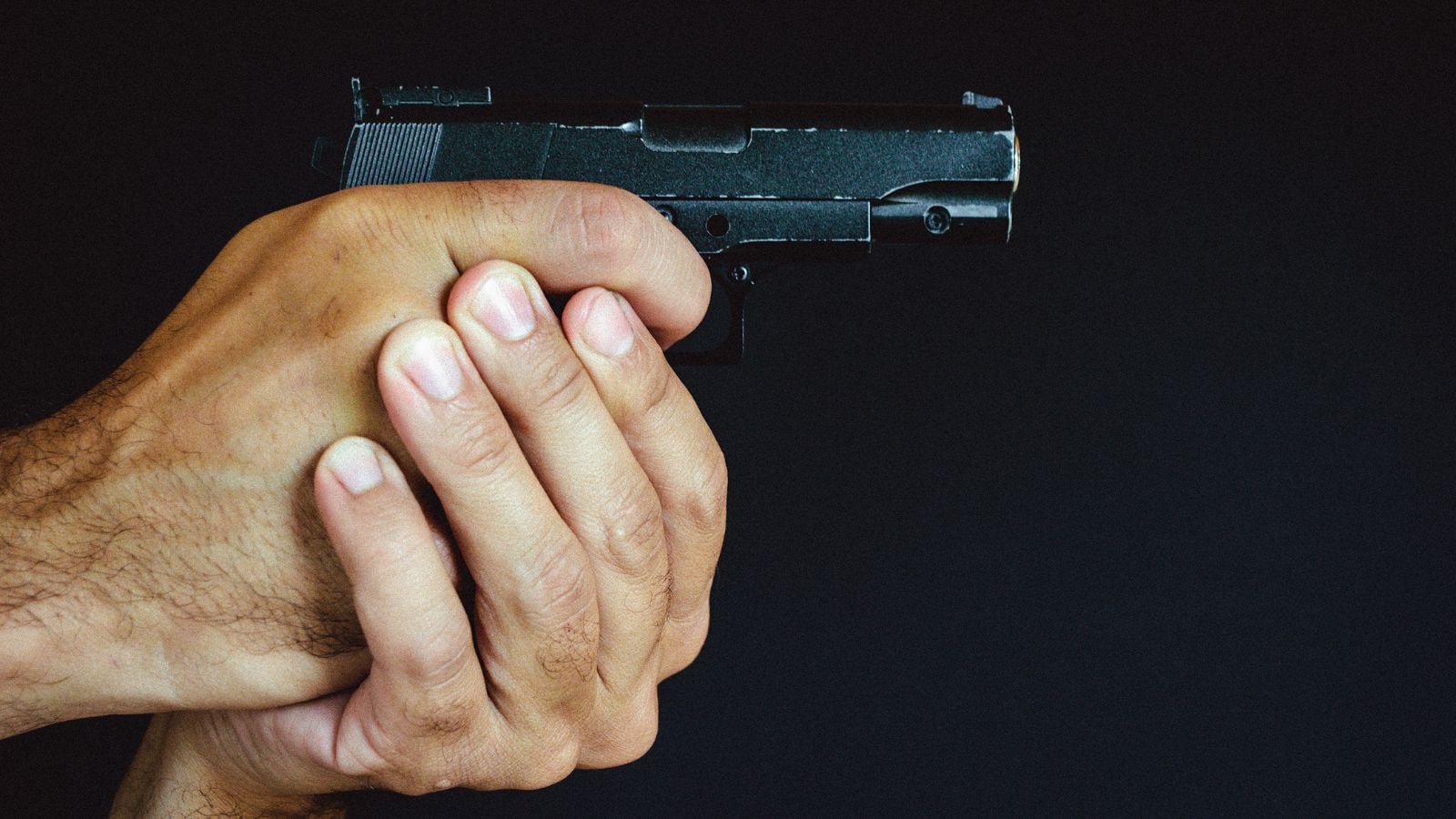
Violence near an educational institution shatters a community instantly. When a shooter opened fire near a high school in Turkey, wounding at least eleven people, the shockwaves traveled far beyond the immediate neighborhood. People panic. Headlines scream for instant answers. Experts rush to television studios to pontificate. Yet, the deeper reality behind such rare violent outbursts in a country with strict firearms oversight demands a calmer, more analytical look. You can't just slap a band-aid on a systemic wound and hope for the best.
Violence of this nature forces us to confront uncomfortable truths about social friction, mental health visibility, and the limits of perimeter security. Turkey boasts stringent gun control laws on paper, making casual firearm acquisition difficult compared to other parts of the world. Private ownership requires strict background checks, medical clearances, and licensing procedures. When a shooting still occurs outside a school gate, wounding students and bystanders, it exposes vulnerabilities that laws alone cannot completely seal shut.
The Shock of Urban Violence
Schools are supposed to be safe zones. Parents drop off teenagers trusting that the afternoon pickup will happen just like every other day. When bullets fly near a campus, that contract of safety breaks down entirely. Panic spreads across social media apps within seconds. Unverified rumors replace actual facts.
Communities plunge into chaos. Teachers scramble to lock doors and shelter minors inside classrooms. First responders navigate gridlocked streets to reach victims. Eleven injured individuals means eleven families whose lives change in an instant. Some wounds heal physically in weeks, while psychological scars linger for years.
Urban density compounds the terror. When gunfire erupts in a populated district, innocent bystanders get caught in the crossfire before anyone realizes what is happening. The speed at which panic ripples through a neighborhood dwarfs the actual duration of the shooting event itself.
Examining Firearm Access Under Strict Laws
Turkey maintains rigorous legal barriers against illicit weapons, yet illegal arms trafficking and domestic disputes occasionally pierce through the regulatory shield. People often assume that strict legislation equals absolute immunity from gun violence. That assumption is flatly wrong.
Black markets exist everywhere. Frustrated individuals with access to unregistered pistols or shotguns can bypass the legal framework entirely if their intent is malicious. Examining how perpetrators acquire weapons in heavily regulated environments is critical. Authorities must trace supply lines relentlessly. Law enforcement agencies face immense pressure to dismantle underground networks before tragedies happen.
Illicit trade relies on porous borders and unregulated secondary markets where serial numbers get filed off and weapons change hands quietly. Stopping street-level violence requires choking off these supply chains at their source.
Mental Health Blind Spots
We talk endlessly about physical security measures like guards, metal detectors, and reinforced gates. We rarely talk about the psychological pressure cooker young people endure today. Academic stress, economic anxiety, social isolation driven by digital algorithms, and untreated behavioral disorders create a toxic mix.
When a person reaches a breaking point and decides to inflict harm on random strangers or specific groups near a school, warning signs almost always existed beforehand. Friends noticed behavioral shifts. Family members felt uneasy. Neighbors saw erratic actions. Society needs early intervention networks that actually function. Waiting until shots ring out is a catastrophic failure of the support system.
Adolescent brains process stress differently than adult brains do. Impulsivity rules the day when coping mechanisms are entirely absent. If a troubled teen feels completely invisible, desperate acts sometimes become their twisted bid for visibility. We need counselors who spot these cries for help before they manifest as gunfire on the street.
Rethinking Perimeter Security Without Creating Prisons
Administrators face a brutal dilemma. They want an open, welcoming learning environment where curiosity thrives. At the same time, they face the grim reality that public spaces face external threats. Transforming schools into heavily guarded fortresses damages the psychological well-being of students. Kids shouldn't feel like they are walking into a correctional facility every morning.
Effective perimeter safety requires a balanced approach. Controlled access points, trained security personnel stationed discreetly, and clear emergency protocols save lives without destroying the school culture. Schools must remain centers of learning rather than militarized zones.
Architectural design plays a quiet role here. Natural surveillance lines, secure main entrances with visitor screening, and clear communication systems allow staff to lockdown areas instantly without breeding paranoia among students.
International Comparisons in School Protection
Looking at how other nations handle perimeter security and community safety offers valuable perspective. While countries like the United States grapple with widespread firearm proliferation and frequent campus attacks, European nations experience different dynamics due to varying gun ownership cultures. Turkey sits at a unique crossroads between Europe and the Middle East, blending strict domestic gun statutes with regional geopolitical complexities.
No single model provides a silver bullet. Installing armed guards at every gate creates its own risks and alters the psychological atmosphere of education. Conversely, treating schools as completely open public parks leaves them vulnerable to bad actors. Striking the right balance requires evaluating local threat levels, architectural layouts, and community policing strategies that build trust rather than fear.
Legal Accountability and Gun Storage Laws
When a firearm gets used in a violent crime, accountability extends far beyond the person who pulled the trigger. Investigators must examine how the weapon was stored, who originally owned it, and whether negligence played a role in its acquisition.
Strict laws mean little if gun owners fail to secure their firearms properly at home. Family members, roommates, or teenagers who gain access to unsecured household weapons represent a massive blind spot in public safety. Enforcing severe penalties for negligent firearm storage holds owners responsible and encourages compliance. If you own a weapon, keeping it locked away from vulnerable or volatile individuals isn't just a suggestion; it's a legal and moral obligation.
The Digital Echo Chamber and Radicalization
Modern violence doesn't happen in a vacuum. Long before a trigger gets pulled, grievance festers online. Troubled individuals find community in dark corners of the internet where violent fantasies get validated and amplified.
Algorithms feed anger because anger drives engagement. When an alienated youth spends hours consuming toxic content, their worldview warps. They stop seeing people as human beings and start viewing them as targets or obstacles. Digital literacy and monitoring online radicalization paths are just as vital as tracking physical weapons.
Parents and educators must learn the warning signs of digital detachment. When a teenager completely withdraws from real-world relationships and retreats into extremist or aggressive online subgroups, that isolation is a flashing red light.
The Media Cycle and Public Panic
Media outlets race to break the story first. Sensationalism replaces nuance. Pundits speculate on motives before investigators even step foot inside the suspect's home. This frantic reporting fuels copycat behavior and inflates public fear to irrational levels.
You need to step back from the breaking news ticker. True understanding requires patience. Investigators take days or weeks to piece together digital footprints, witness testimonies, and background histories. Demanding instant explanations leads to rushed policy decisions that often solve the wrong problems.
Responsible journalism matters immensely during crises. Airing unverified names, publishing manifestos, or broadcasting graphic footage only serves morbid curiosity while traumatizing victims' families further.
Supporting the Affected Community
Recovery takes time. After the sirens fade and news vans depart, the real work begins for the students, teachers, and families caught in the crossfire. Post-traumatic stress does not vanish when the cameras turn off.
Schools need dedicated psychological counselors available long-term. Communities must rally around victims with practical support, financial assistance for medical bills, and a shoulder to lean on. Ignoring the mental health aftermath guarantees that the trauma ripples through generations.
Classrooms need time to heal. Teachers require specialized training to spot trauma symptoms in students who might look fine on the outside but are shattering on the inside.
Building Resilient Communities
Preventing future incidents starts locally. It requires open dialogue between parents, local police, school administrators, and municipal leaders. Trust must flow both ways. If a student exhibits extreme behavior or makes concerning threats, reporting mechanisms must be clear, confidential, and actionable without destroying the student's future unnecessarily.
We can't prevent every disturbed individual from acting out, but we can build tighter safety nets. Awareness, vigilance, and compassionate intervention change outcomes long before a weapon enters the picture.
The incident near that Turkish high school serves as a grim wake-up call. Treat it as a mandate for deeper reform rather than just another fleeting news cycle. Protect the kids, support the wounded, and fix the cracks in the foundation before the next crisis hits.


