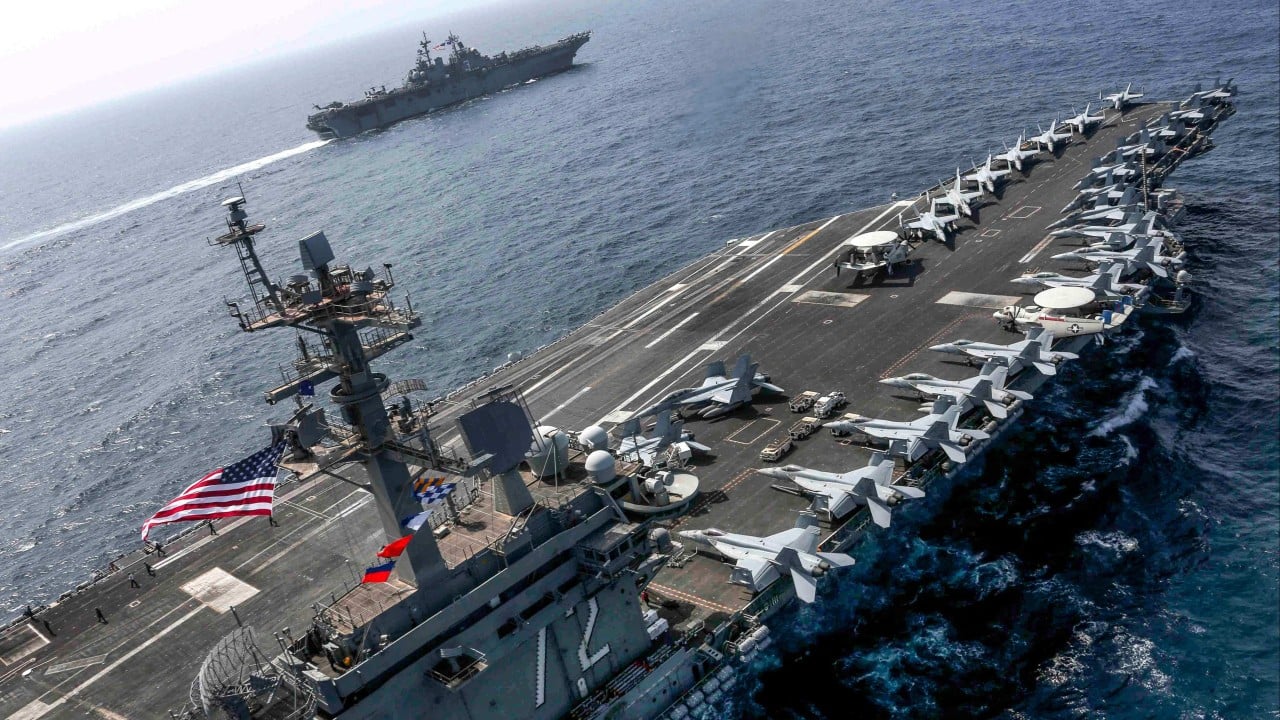
When a warship stays at sea for nearly nine months straight without a proper port call, things break down. Equipment fails, tempers flare, and human beings pushed past their absolute limits begin to crack. That is the gritty reality facing the crew of the USS Abraham Lincoln, an aircraft carrier caught deep in the ongoing conflict with Iran. Yet when pressed about the severe mental health strains, moldy living quarters, and supply bottlenecks onboard, leadership shrugs it off.
President Donald Trump recently dismissed mounting anxieties over the carrier's conditions, going so far as to claim the historic deployment length was actually "not nearly long enough". But active-duty sailors, anxious military families, and a handful of alarmed lawmakers see a completely different picture. They see a tired force paying the steep human cost of an open-ended maritime strategy in the Middle East. Meanwhile, you can explore related stories here: Why Washington is Demanding a Political Loyalty Test From NATO Members.
The Breaking Point at Sea
The numbers behind this deployment tell an exhausting story. The Lincoln left San Diego back in November, originally slated for a routine Pacific rotation. Instead, the carrier got redirected toward the Middle East as tensions with Iran boiled over into active combat. More than 240 consecutive days have passed since the ship last saw a real port call, setting a brutal modern benchmark for uninterrupted time afloat.
Living conditions inside the hull have deteriorated significantly during this marathon stint. Families speaking out through military outlets and town hall gatherings have highlighted broken laundry systems, chronic shortages of basic hygiene products like soap and toothpaste, and water issues. Crew members report working relentless shifts reaching up to 16 hours a day. To see the complete picture, check out the recent article by Reuters.
Most alarming are the reports leaking out regarding mental health. Outlets like the Navy Times and Stars and Stripes detailed multiple harrowing incidents where overwhelmed sailors attempted to jump overboard. While naval officials confirmed at least one specific instance where a sailor went into the water and was safely recovered, the broader mental health toll remains a flashpoint.
Leadership Pushes Back Against the Noise
The official response from Washington relies heavily on denial and defense. Defense Secretary Pete Hegseth rejected media reports detailing the ship's hardships, insisting that conditions had been completely misrepresented. Acting Navy Secretary Hung Cao echoed that sentiment, arguing that while young service members are pushed hard, they aren't victims and remain entirely focused on the mission.
According to defense representatives, priority routing has kept continuous flows of fresh water, functional air conditioning, and healthy food moving to the crew. They maintain that rigorous measures are in place to address psychological strain, pushing back against the narrative of an unmitigated crisis.
Yet congressional pressure refuses to dissipate. Lawmakers point out that telling families their worries are invalid does nothing to fix broken morale. When service members text home saying they simply hope they don't wake up the next day, standard public relations spin stops working.
What Comes Next for the Carrier Strike Force
Relief is theoretically on the horizon. The USS George Washington departed from Vietnam to steam across the ocean and relieve the Lincoln in the Middle East. Swapping out massive nuclear-powered warships takes time, coordination, and precise execution in a combat zone.
Even so, rotating one ship out doesn't solve the systemic strain. The United States Navy continues to lean aggressively on carrier strike groups to enforce blockades and project power. As long as strategic objectives in places like the Strait of Hormuz remain undefined or open-ended, the risk falls squarely on the enlisted personnel working the flight decks.
You can check out Trump dismisses concerns as reports surface of poor conditions on USS Abraham Lincoln to see more coverage of the official statements and background on this developing story.