A $150 restaurant bill isn't worth a human life. It sounds obvious, yet a petty dispute over a dinner check at a Canadian eatery escalated into a tragedy that crossed oceans, sparked an international manhunt, and destroyed multiple families.
Sharif Rahman, a 44-year-old father and business owner, was just trying to protect his livelihood when he confronted a group of customers attempting to skip out on their bill. Instead of paying, one of those customers chose violence. That choice led to Rahman's death and a complex legal saga that culminated in an Ontario courtroom where three British family members finally admitted their guilt.
What Happened Outside The Curry House
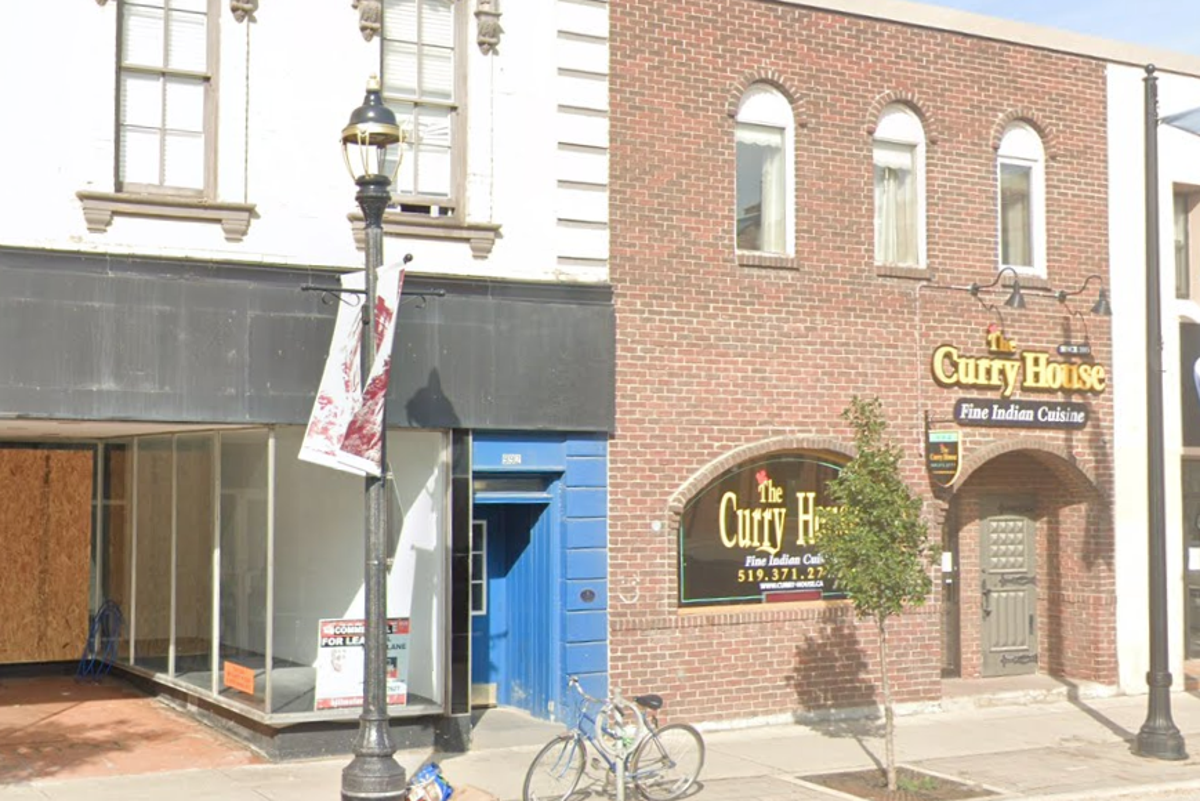
The nightmare began on August 17, 2023, in the quiet community of Owen Sound, Ontario. Sharif Rahman, a quiet, well-liked immigrant from Bangladesh, ran a local staple called The Curry House.
That evening, 23-year-old Robert Evans Jr., a British national visiting Canada on a holiday visa, was dining with a group. When the time came to settle the modest $150 tab, the group refused to pay and walked out.
Rahman followed them into the street to demand payment. It's a situation independent restaurant owners face far too often, but it rarely ends like this. According to the agreed statement of facts read in court, the confrontation quickly turned physical. Evans Jr. punched Rahman squarely in the face.
The force of the blow knocked Rahman backward. He hit his head directly on the concrete sidewalk, fracturing his skull and causing a catastrophic brain bleed. A staff member found him unconscious in the street. A week later, Rahman died in a hospital in London, Ontario, leaving behind a wife and a young daughter.
The Family Cover-Up and Escape
The assault was bad enough, but what happened next turned a street fight into an international criminal conspiracy. Instead of calling for an ambulance, the Evans family chose self-preservation.
Barry Evans, the young man's uncle, immediately drove his nephew away from the scene. Court records show Barry explicitly told his nephew to "run, run" before picking him up. He later returned to their local motel to erase any paper trail or digital records proving they had rented a room there.
Meanwhile, Robert Busby Evans, the boy's father, took charge of the logistics. He immediately booked his son a one-way flight back to the United Kingdom, knowing full well that the young man had just severely injured someone.
The plan worked, at least initially. By the time Canadian police sorted through the chaos, the trio had already used their U.K. passports to flee the country.
From Scotland to Ontario: The Fight for Extradition
For over a year, the Evans family thought they had escaped Canadian justice. But the Ontario Provincial Police and Owen Sound police weren't letting the case go. They traced the family back to the United Kingdom and launched a coordinated effort with British law enforcement.
In late 2024, Police Scotland moved in. Officers arrested Evans Jr. and his father in Edinburgh, while his uncle was picked up in nearby Dalkeith.
The legal battle moved to the Edinburgh Sheriff Court, where the men initially fought the charges. Lawyers for the older men tried to argue that the Canadian charge of being an "accessory after the fact" had no direct equivalent under Scottish law.
Eventually, the family blinked. Realizing the evidence against them was overwhelming, they consented to extradition. Sheriff Julius Komorowski made it clear that there would be no turning back and no appeals. In December 2025, Canadian police officers boarded a flight from the U.K., escorting the three men back across the Atlantic to face a judge in the very province where Rahman died.
Guilt and Apologies in a Canadian Court
The legal road ended on Friday in an Owen Sound courtroom. All three men pleaded guilty, avoiding a lengthy, painful trial for Rahman's surviving family.
- Robert Evans Jr., now 25, pleaded guilty to manslaughter.
- Robert Busby Evans (the father) and Barry Evans (the uncle) pleaded guilty to being an accessory after the fact to commit an indictable offense.
The youngest Evans addressed the courtroom directly, reading an apology to Rahman's family and the community. He claimed he never intended to kill the restaurateur and thinks about the damage he caused every single night.
The apology does little to change the reality of the sentences. The two older men were sentenced to 21 months in jail. Because they received credit for time already served while awaiting trial and extradition, their criminal sentences are considered complete. However, they aren't going free on Canadian soil. Both men were immediately handed over to the Canadian Border Services Agency and placed on an immigration hold for immediate deportation back to the U.K.
The son faces a longer stay behind bars. He remains in custody and is scheduled for formal sentencing in July. Under a joint submission from the Crown and defense, he's expected to receive a 42-month sentence. After accounting for his pre-sentence custody, he has roughly eight months left to serve in a Canadian prison before he, too, faces mandatory deportation.
The Real Cost of Petty Disputes
If you talk to anyone in the restaurant industry, they'll tell you that dine-and-dash incidents are a constant, draining cost of doing business. Most owners chalk it up to bad luck, while others feel forced to pursue the thieves out of pure financial frustration.
This case is a stark reminder of how quickly a minor financial dispute can morph into a tragedy. Small business owners shouldn't have to risk their lives to collect a debt, and patrons need to understand that walking away from a bill isn't a victimless prank.
For restaurant workers and owners handling difficult customers, safety has to come first. If a table refuses to pay and walks out, the most effective next steps don't involve a physical confrontation.
- Prioritize safety over money: Never trap a customer inside or corner them on the street. It invites a cornered-animal response.
- Gather documentation immediately: Note the physical descriptions, the direction they ran, and any vehicle license plates.
- Preserve tech evidence: Save the security camera footage from the exact time window and keep the receipt detailing what they ordered.
- Let the authorities handle it: File a police report immediately. In the age of digital footprints, reservation apps, and credit card pre-authorizations, tracking down non-paying diners is easier than it used to be. No cash amount is worth risking a violent escalation.