Commercial shipping isn't supposed to be a frontline military target. Yet, the waters off the coast of Oman just became a lethal combat zone for civilian mariners caught in the crossfire of geopolitical warfare.
The tragic deaths of three Indian sailors following a direct military strike by the United States Navy has ignited a massive international firestorm. Iran is openly labeling the incident as state piracy. Meanwhile, India finds itself in an incredibly tense diplomatic position, trying to balance its strategic partnership with Washington while protecting the lives of thousands of its citizens who crew the world's merchant fleets.
This isn't just another localized skirmish in the Middle East. It is a terrifying escalation that fundamentally changes the rules of engagement for global maritime commerce.
Blood in the Gulf of Oman
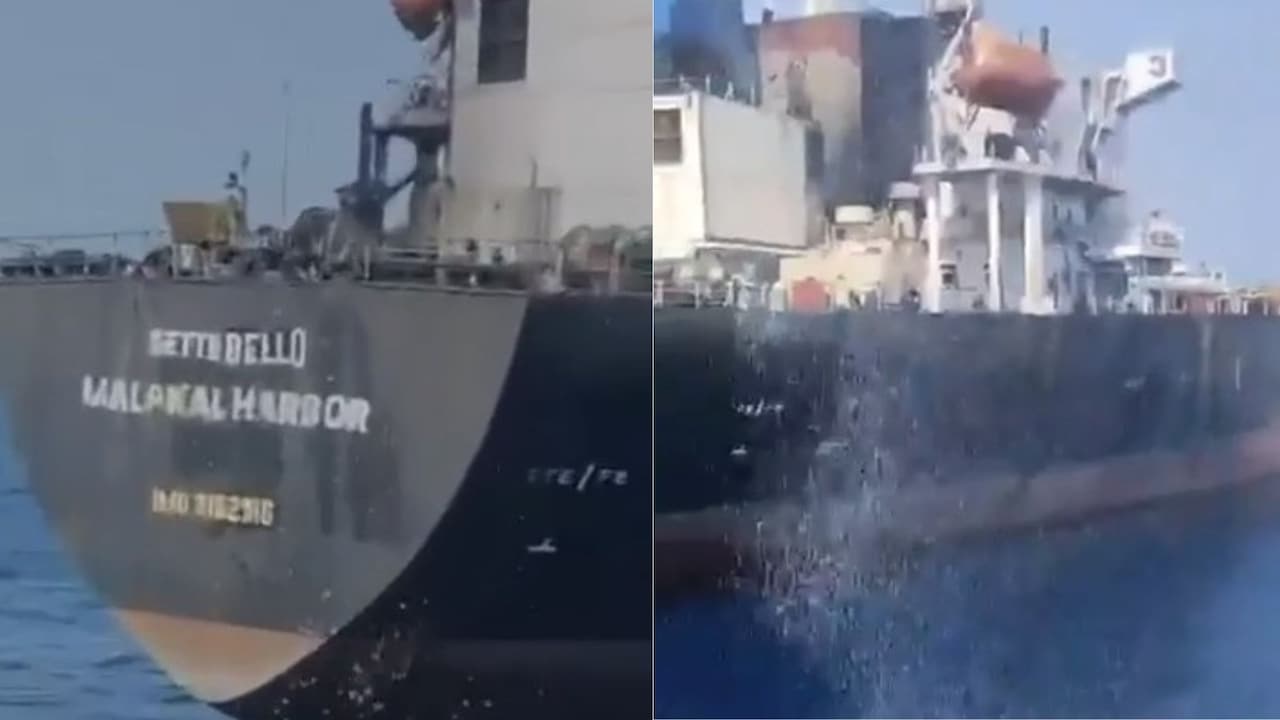
The crisis reached a boiling point when the Palau-flagged oil tanker, MT Settebello, came under fire from US forces in the Gulf of Oman. The vessel carried a total crew of 28 individuals, including 24 Indian nationals alongside crew members from Pakistan, Ukraine, and the Russian Federation.
According to official updates from India’s Ministry of External Affairs and Union Shipping Minister Sarbananda Sonowal, 21 Indian seafarers were successfully rescued. However, three disappeared into the burning wreckage. Their bodies have since been located and identified. The victims were deck cadet Aditya Sharma, engine fitter Shivanand Chaurasiya, and chief engineer Patnala Suresh.
The Settebello was not an isolated incident. Over a chaotic four-day window, the US military targeted three separate commercial ships crewed by Indian nationals:
- June 8: The Palau-flagged oil tanker Marivex was disabled by American actions.
- June 10: The MT Settebello was struck with precision munitions, resulting in the three civilian fatalities.
- June 11: An American warplane fired two Hellfire missiles directly into the engine room of the Guinea-Bissau-flagged bitumen tanker MT Jalveer, which was carrying 20 Indian crew members. Fortunately, the Jalveer crew survived and evacuated with assistance from Omani authorities.
The sheer frequency of these strikes proves that these aren't accidental collateral damage. They are part of a deliberate, aggressive strategy.
The Blockade and the Accusations of State Piracy
Why is the US military firing missiles at merchant tankers? The United States Central Command openly acknowledged the military strikes, stating that the vessels were targeted because they were attempting to breach a US-enforced naval blockade of Iran. CENTCOM claimed that the crew of the Settebello repeatedly failed to comply with direct commands from American forces and was actively attempting to transport Iranian oil.
Washington imposed this severe naval blockade after Iran effectively closed the strategic Strait of Hormuz back in early March. That closure followed heavy US and Israeli military strikes within Iran on February 28. Because roughly 20% of the world’s crude oil supply flows directly through the Strait of Hormuz, the US responded by putting a military chokehold on Iranian maritime exports.
Iran's Foreign Ministry reacted with predictable fury to the deaths of the Indian sailors. Foreign Ministry spokesperson Esmail Baghaei took to social media to blast the American operations. He directly accused Washington of executing a lawless policy of armed robbery and state piracy. Baghaei asserted that these brutal actions directly threaten global peace, trample international law, and destroy the foundational concept of freedom of navigation in international waters.
The ship manager for the Settebello has vehemently denied any operational links to Iranian oil, setting up a fierce dispute over the actual intelligence used to justify a lethal military strike on a civilian crew.
India's Dangerous Diplomatic Tightrope
For New Delhi, this situation is an absolute nightmare. India relies heavily on its strong defense and economic ties with the United States. At the same time, Indian nationals make up a massive percentage of the global seafaring workforce. When foreign militaries start dropping bombs on commercial tankers, Indian citizens are usually the ones standing on the bridge or working down in the engine room.
The response from India's Ministry of External Affairs has been carefully measured but distinctly worried. India officially condemned the attack off the coast of Oman and expressed deep concern over the rapidly deteriorating maritime security environment. The government highlighted that these ongoing attacks on merchant shipping are a direct, toxic byproduct of the broader regional conflict.
Instead of matching Iran’s aggressive rhetoric, New Delhi is pushing hard for immediate de-escalation and a swift return to diplomatic negotiations. The immediate domestic priority is practical: repatriating the surviving crew members and bringing home the bodies of the three slain mariners for their final rites.
The Reality of Commercial Shipping Under Total Blockade
If you think international shipping laws protect commercial vessels during a blockade, you don't understand how modern military blockades actually function. Under traditional maritime laws, a military force enforcing a blockade has the right to intercept, board, and search a vessel suspected of smuggling contraband or violating sanctions.
If a ship refuses to stop, the enforcing military can use force to disable its propulsion. However, using high-explosive precision munitions and Hellfire missiles against the living quarters or engine rooms of commercial tankers represents a dramatic, hyper-aggressive shift in tactics.
The International Maritime Organization has expressed deep concern over the strike, recognizing that turning commercial ships into target practice sets a terrible precedent. When major superpowers decide that enforcing an economic embargo justifies killing third-party civilian mariners, the entire global supply chain becomes incredibly vulnerable.
What Ship Operators and Crews Must Do Now
The rules of navigating the Middle East have completely changed. If you operate commercial vessels or have family members working aboard international tankers, you can no longer assume that a neutral flag or a civilian status offers protection.
Immediate, practical adjustments are required to navigate this dangerous environment:
- Enforce Strict Compliance Protocols: Crews must be explicitly instructed to immediately acknowledge and comply with all radio commands from coalition and US naval forces. Attempting to ignore warnings or outrun military assets in a blockade zone is now a life-threatening mistake.
- Re-Route Around High-Risk Zones: Ship managers should actively re-evaluate transit routes through the Gulf of Oman and the waters adjacent to the blocked Strait of Hormuz. Paying higher insurance premiums or taking longer routes around Africa is preferable to risking total vessel destruction.
- Demand Clear Rules of Engagement: International maritime unions and seafaring nations like India and the Philippines must put immense pressure on the UN and Western coalitions to establish transparent, non-lethal rules of engagement for civilian vessels. Disabling a ship's rudder is one thing; dropping a bomb on an engine room is an entirely different level of violence.
The tragedy off Oman proves that the buffer zone between commercial trade and active warfare has completely evaporated. If the international community fails to hold blockading militaries accountable for civilian casualties, the open oceans will quickly devolve into an unmanageable free-for-all.