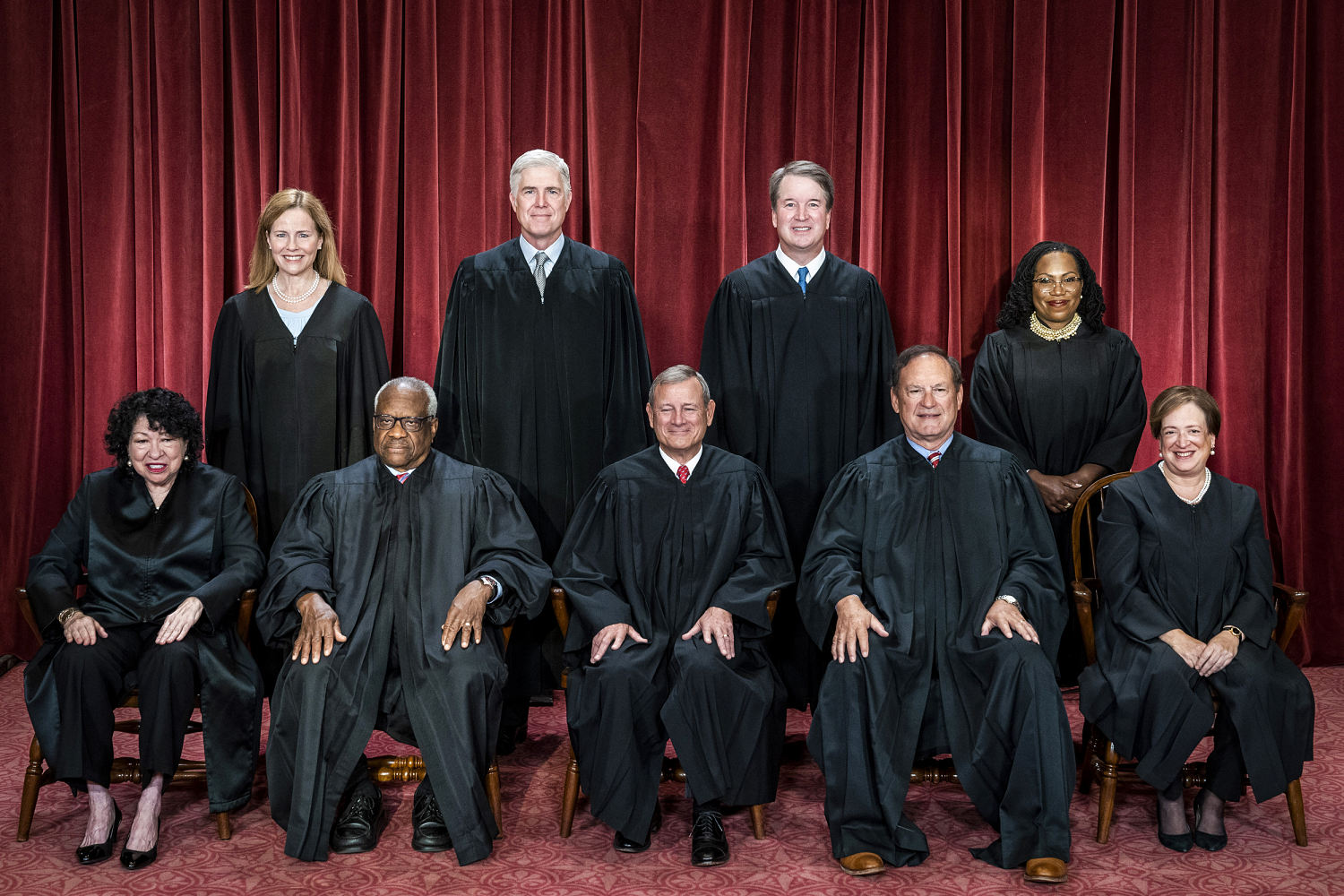
Washington loves a good political stunt. The latest episode played out on the House floor, where Republicans pushed hard for a constitutional amendment to permanently lock the Supreme Court bench at nine justices. It failed. House Democrats blocked the measure, falling along familiar tribal lines.
If you expected a bipartisan consensus on the future of our highest court, you haven't been paying attention. The vote tally hit 212-206. That's well short of the strict two-thirds majority required to send a constitutional amendment to the states.
So why did Republican leadership bring up a bill they knew would crash? Politics. Pure and simple.
The Strategy Behind The Vote
Speaker Mike Johnson didn't schedule this vote because he thought a miracle would happen. He scheduled it to trap Democrats.
With control of Congress hanging by a thread in an election year, GOP strategists wanted a weapon. They wanted to force vulnerable Democrats to go on record. Do you back the historic nine-justice norm, or do you leave the door open for court packing?
Republicans label any attempt to add seats a radical power grab. They point to historical precedent reminding everyone that nine has been the magic number since 1869. To the right, freezing that number into the Constitution is the only way to save the judiciary from becoming a partisan revolving door.
House Democrats saw right through the theater. Representative Jamie Raskin didn't mince words during the debate. He blasted the entire exercise as a MAGA-driven distraction meant to deflect attention away from massive fiscal issues like the national debt.
Why The Left Wants Options
Let's be real about what Democrats actually want. They aren't defending an abstract procedural point because they love gridlock. They want options.
Public trust in the Supreme Court has tanked. Recent polling from Gallup and Pew Research shows confidence hovering near historic lows. High-profile rulings on major social and economic issues have left the progressive base furious.
Because of that anger, prominent Democrats haven't hidden their ambitions. Figures like former Vice President Kamala Harris, House Minority Leader Hakeem Jeffries, and various progressive senators have openly entertained the idea of expanding the court. Proposals to bump the count from nine to thirteen seats float around Washington with regularity.
Expanding the court sounds great to whichever party currently finds themselves locked out of a judicial majority. But it opens a terrifying Pandora's box. If one party takes the White House and Congress and adds four seats, the other party will just do the same thing the next time they seize power. Pretty soon, you end up with a Supreme Court the size of a minor league baseball roster.
The Impossible Math Of Constitutional Amendments
Even if every single lawmaker in the House had lost their mind and voted yes today, this amendment was dead on arrival.
Amending the United States Constitution is purposefully designed to be nearly impossible. You need a two-thirds vote in both the House and the Senate. Then, you have to get three-fourths of state legislatures to ratify it. That means 38 out of 50 states.
In our current hyper-polarized reality, getting 38 states to agree on the color of the sky is tough. Getting them to agree on federal judicial structure is a pipe dream.
Republicans knew the math. Democrats knew the math. The American public got another front-row seat to a broken legislative body shouting past each other while real governance takes a backseat.
The number of justices remains at nine for now, not because of a grand constitutional safeguard, but because nobody has the votes to change the rules of the game. Until public trust rebounds or a true crisis forces a consensus, expect both sides to keep using the judiciary as a cudgel for the next election cycle.


