History rarely ends with a clean period. More often, it drags its feet across a blood-soaked page, leaving loose threads fluttering in the cold wind of geopolitical uncertainty. We treat foreign policy like a movie franchise, expecting tidy third-act resolutions where the hero walks away from the smoldering wreckage of an adversary while the credits roll. Real life refuses to cooperate with that script. Real life lingers in the smoke.
Consider the intricate web of tensions stretching across the Middle East. Decades of proxy conflicts, economic strangulation, and underground enrichment programs have created a volatile ecosystem. When leaders step down from the grand stage, they leave behind half-built architecture.
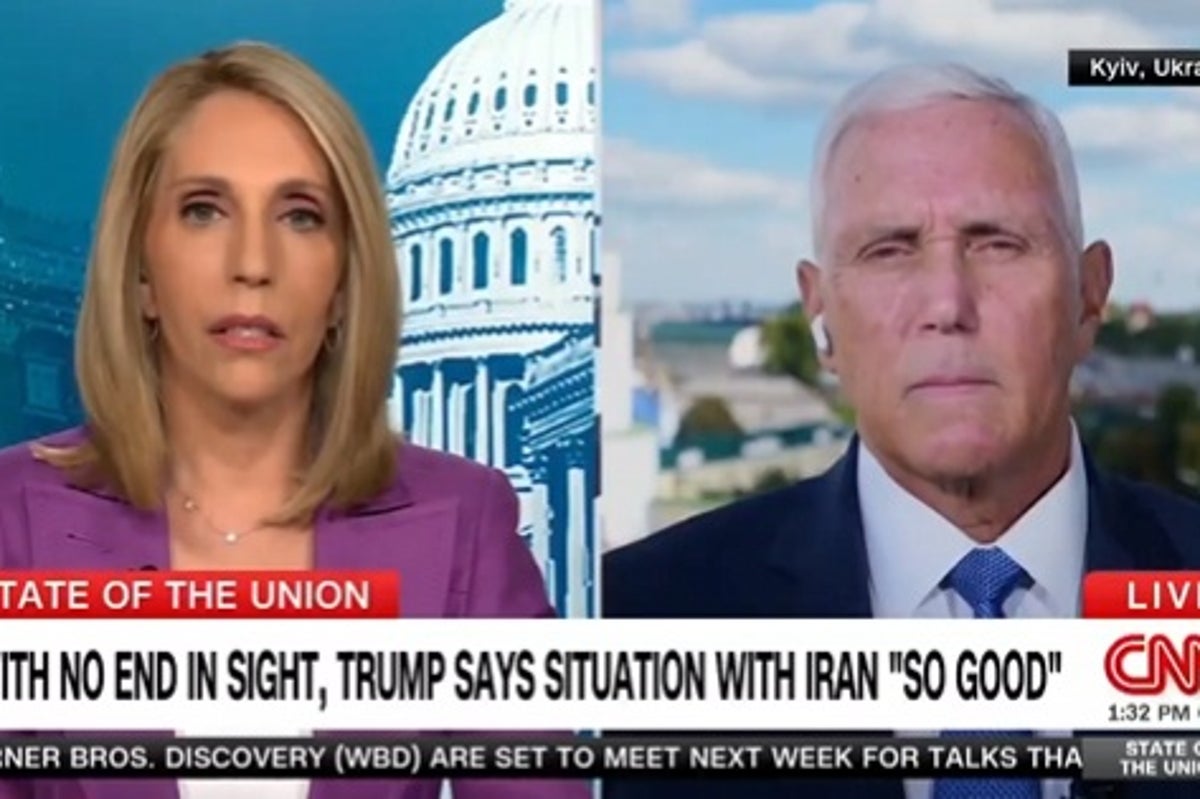
Mike Pence recently addressed this lingering reality, urging Donald Trump to consider the absolute necessity of returning to the theater and finishing the job against the Iranian regime if political winds bring him back to power. It sounds like campaign rhetoric from a distance. A neat soundbite for Sunday morning broadcasts. But strip away the television cameras and the podium polish, and you find a stark, heavy question about the cost of unfinished business.
Think about what it means to start a fire and walk away before the embers are cold.
When maximum pressure campaigns are initiated, they disrupt supply chains, squeeze national treasuries, and force populations into desperation. Yet, if the strategy stops short of structural collapse or genuine behavioral transformation, the adversary simply ducks into the bunker, waits out the storm, and repairs the damage in the dark. That is the haunting nightmare of modern statecraft. You exert monumental force, spend political capital, and shift global markets, only to hand the next administration a slightly more hardened, deeply embittered enemy.
The friction between former allies now turned political rivals highlights a deeper truth about power. Power hates a vacuum, but it detests ambiguity even more.
When the former vice president publicly insists that an aggressive posture remains the only viable remedy, he is pointing to the inherent danger of half-measures. History is littered with the ghosts of interventions abandoned halfway through. You cannot neutralize a decades-long ideological crusade with economic sanctions alone, just as you cannot extinguish a regional proxy network by merely cutting off a single tentacle.
The invisible stakes here do not just involve Washington backrooms or diplomatic cables. They echo in the quiet anxiety of families living under the constant hum of surveillance drones and the tightening grip of authoritarian crackdowns thousands of miles away. They manifest in the quiet calculations of neighboring states wondering whether the global superpower has the stomach for a long-term commitment or if they will be left standing alone in the dark when the political mood shifts in Washington.
We look for simple exits in complex mazes. We want a clean break, a sudden epiphany, or a diplomatic handshake that erases forty years of hostility overnight. But geopolitics obeys the laws of physics. Momentum carries forward until an equal and opposite force halts it permanently.
Until policy makers acknowledge that fragmented strategies yield fragmented results, the cycle will repeat. The rhetoric will sharpen. The alliances will strain. And the unfinished business will continue to cast its long, heavy shadow over a restless world, waiting for someone brave or reckless enough to finally walk all the way to the end of the hall.