The radio chatter is always the same until it isn't. It crackles with static, flat instructions, and the background hum of an engine pushing hard against time. Then comes the silence. That sudden, heavy drop in the air where a voice used to be.
Firefighter Ho Wai-ho walked into a space most people spend their entire lives running away from. Smoke. Heat. The structural groan of a building under siege. When the inquiry into his final moments opened, it did not begin with grand speeches or bureaucratic paperwork. It began with the raw, grinding mechanics of what happens when a human being runs out of air.
We talk about safety protocols like they are immutable laws of physics. They are not. They are fragile promises written in ink after someone else has already paid the ultimate price.
Consider what happens inside a burning room. The temperature climbs past the point where skin blisters. The smoke thickens from a grey haze into a solid, blinding black wall that eats flashlights whole. In that environment, spatial awareness dissolves. A hallway is no longer a hallway; it is a maze of shifting shadows and invisible traps.
The Tai Po inquiry peeled back those layers with surgical precision. It dragged the invisible details into the harsh light of a courtroom. Every second matters. Every cubic centimeter of oxygen in a tank dictates a choice. Do you push deeper to find someone, or do you turn back?
Ho chose to push.
Listen to the timeline. It sounds neat on paper, broken down into neat little minutes and timestamped logs. But time inside a fire does not move linearly. It stretches. A single minute feels like an hour when your lungs are burning and the radio is spitting nothing but white noise. The inquiry laid out the sequence of events, examining the equipment telemetry, the deployment orders, and the heartbreaking narrowness of the margins that separate life from tragedy in the fire service.
We demand heroes, but we rarely look at the machinery that supports them. We expect men and women to step into infernos with absolute calm, as if fear is a switch they can simply turn off. It is not. Fear is right there under the turnout gear, slicking the palms, making the heart hammer against the ribs like a trapped bird.
When a rescue goes wrong, the immediate instinct of any institution is to close ranks. We look for a single point of failure. Was it a delayed deployment? Was it a faulty valve? Was it a miscommunication in the stairwell? The Tai Po proceedings refused to let the narrative settle into a comfortable, simple blame game. Instead, it forced everyone to confront a harder, uglier truth. Sometimes, the system itself is an overburdened apparatus trying to hold back a monster with paper tools.
Think about the gear. To the untrained eye, a firefighter is an armored knight of the modern age. Carbon-composite tanks, flame-retardant hoods, boots designed to withstand molten heat. But every piece of that armor adds weight. It strips away touch. It muffles sound. It creates a sensory deprivation chamber while you are fighting for your life.
During the inquiry, experts dissected the mechanics of air consumption under extreme stress. Panic accelerates the breath. The digital gauge ticks downward faster than expected. The alarm begins to chirp—a low, rhythmic warning that haunts the dreams of every person who has ever worn the uniform.
That chirp is the sound of time running out.
Families sit in the public gallery during these hearings, their faces locked in expressions of exhaustion and quiet grief. They do not care about the jurisdictional nuances or the fine print of departmental policy. They want to know why. They want to know if every possible hand was extended. They want to know if their loved one was left alone in the dark.
The testimony revealed the chaotic choreography of a major incident response. Dozens of personnel moving in opposite directions. Hoses tangling in dark entryways. Commanders trying to paint a mental picture of a burning labyrinth based on grainy thermal imaging and breathless radio updates. It is a miracle that rescues happen at all.
And yet, they happen every single day. Most of them never make the evening news. They are quiet victories swallowed by the routine of the shift. A family pulled from a bedroom. A stove fire extinguished before it eats the whole floor. The public only wakes up to the danger when the margin disappears entirely and a name becomes a headline.
We owe these individuals more than a moment of silence at an annual memorial. We owe them brutal honesty about the risks they take on our behalf. If communication fails, we must fix the channels. If equipment has limitations, we must push the engineering until those limits vanish. If staffing models leave teams stretched too thin, we must look at the budget and find the courage to prioritize human lives over administrative bottom lines.
The inquiry into Ho Wai-ho's final moments is not just a localized legal proceeding. It is a mirror held up to society. It asks us to look at the invisible infrastructure of our daily safety and recognize the cost.
Every time we flip a light switch, turn on a stove, or lock our apartment doors, we are relying on a subterranean network of emergency responders who are willing to run toward the smoke while everyone else is sprinting away.
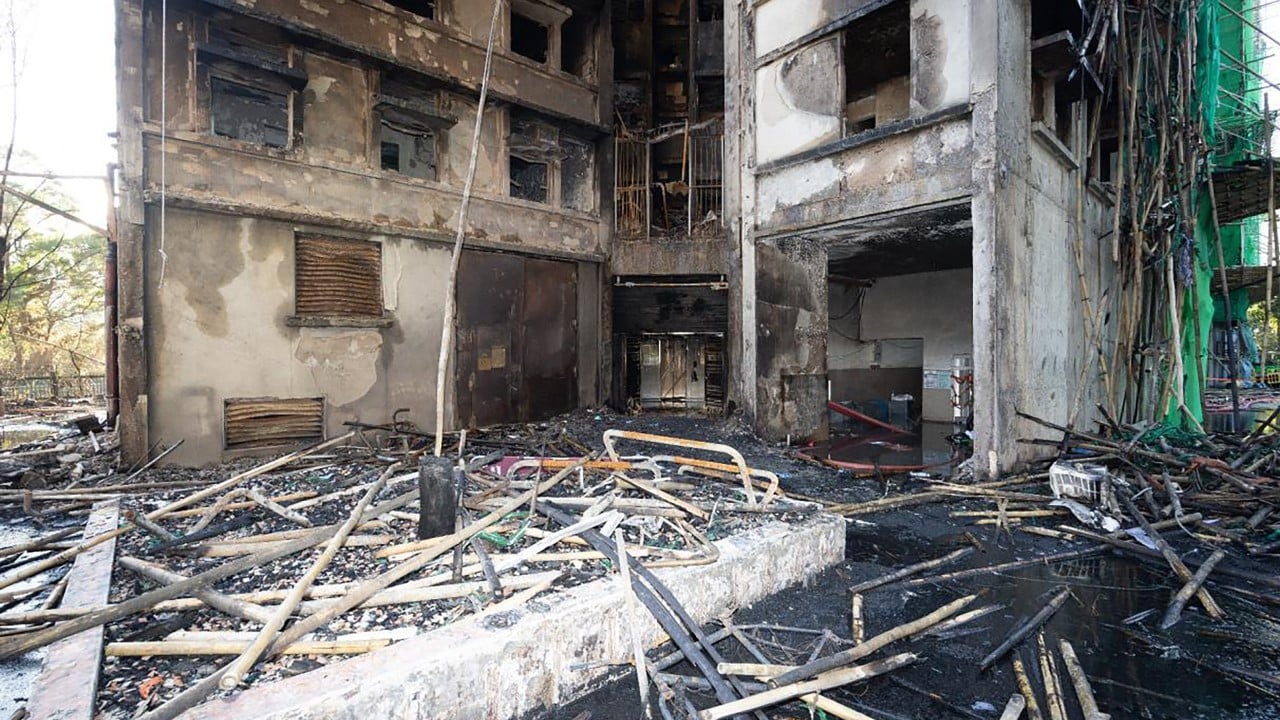
The courtroom in Tai Po eventually emptied. The transcripts grew thick. The lawyers packed their briefcases, and the judges began drafting their final recommendations. But the smoke in that building cleared a long time ago, leaving behind only the bare, hard walls and the memory of a man who went in because someone needed him to.
The radio is quiet now. The shift has changed. Somewhere out there, an engine is idling in the bay, waiting for the next call to break the silence.