The coffee in the corner of the porcelain cup has gone cold. It has been cold for three hours. Across the polished mahogany, under the low-humming chandeliers of a room designed for quiet ultimatums, a map lies flattened by heavy crystal decanters.
We forget that geopolitics is, at its root, a human exhaustion.
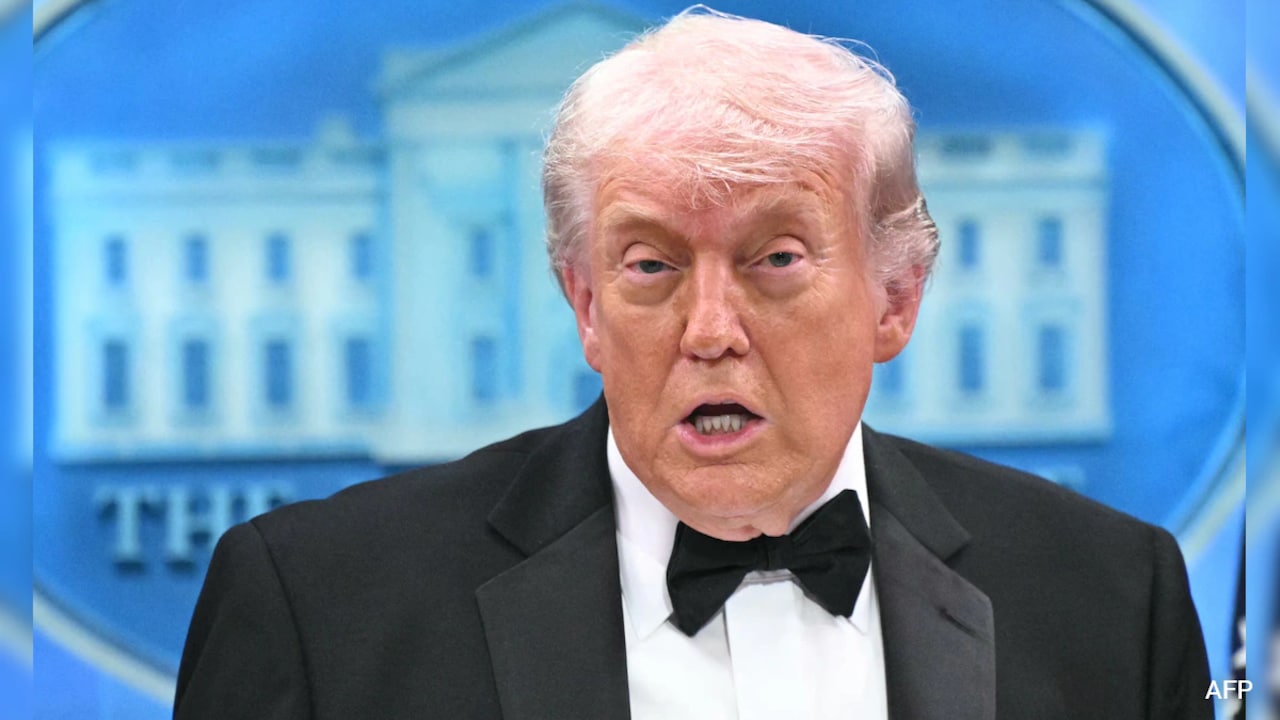
When Donald Trump leans back into his leather chair and declares that Moscow and Kyiv are going to make a deal soon, the headline flashes across screens in frantic, neon-blue tickers. Analysts dissect the syntax. Pundits on cable networks argue over percentage points of territory, artillery shell counts, and grain corridors. But in the trenches carved through the black soil of the Donbas, a twenty-four-year-old soldier named Andriy pulls a wet wool blanket tighter around his shoulders. He does not care about the syntax. He cares about whether the mud will freeze tonight, and whether the men who signed the papers twenty years ago remember what an empty chair feels like at a kitchen table in Lviv.
Negotiation is rarely an act of sudden enlightenment. More often, it is the bitter child of fatigue.
Consider the mechanics of how a war actually winds down. It rarely ends because a moral epiphany strikes from the heavens. It ends because the math stops working. When the cost of moving an inch forward exceeds the value of the land beneath your boots, the calculus shifts from glory to survival. This is the premise behind the recurring assertion that a settlement is near. It is not an expression of faith in human kindness; it is an acknowledgment of logistical gravity.
Yet, numbers on a balance sheet fail to capture the ghost in the room.
Imagine Maria, standing in the skeletal remains of what used to be a bakery in Kharkiv. The oven is a twisted jaw of iron. The walls are perforated by shrapnel like Swiss cheese. For three years, her world has shrunk to the radius of a damp basement and the sound of distant concussions. When she hears politicians in distant capitals speak of deals, compromises, and territorial swaps, her reaction is a hollow, humorless laugh. To her, a compromise is not a diplomatic victory. A compromise means carving a line through the cemetery where her neighbors are buried.
This is the hidden friction of peace talks. The further you are from the front line, the easier it is to trade maps.
History is littered with the ghosts of agreements signed by men in well-tailored suits who never smelled cordite. From Munich to Dayton, the architects of peace have always faced a cruel paradox: the only people who can sign a treaty are those with the power to wage war, but the people who live with the consequences are the ones who never held the pen.
Trump’s persistent narrative—that a deal can be struck swiftly through sheer force of personality and the looming threat of altered aid—rests on a transactional view of human conflict. In this worldview, every nation is a corporation, every leader a CEO, and every border a dispute over property lines that can be settled if the price is right.
There is a seductive simplicity to this. It promises an end to the endless bleed. It offers a clean break from the nightly procession of ruined apartment blocks and weeping mothers. But human history resists clean accounting.
When you force two adversaries to the table before the underlying poisons have run their course, you often do not secure peace. You secure an intermission. You freeze the map in place while the resentment hardens into concrete. Ask anyone who lived through the frozen conflicts of the post-Soviet space. A ceasefire that leaves unresolved grievances is just a countdown to the next explosion.
And yet, the alternative is paralysis.
To insist that a war must continue until every historical wrong is righted, until every square inch of sovereign soil is liberated by force, is to consign another generation to the grinding wheels of attrition. It is a noble sentiment voiced from a safe distance, but it is paid for with currency minted in bone and ash.
This is the tension that defines our current moment. We are caught between the cynicism of the dealmaker and the idealism of the crusader. Neither offers a sanctuary.
When the call finally comes—the late-night summons to a secure room, the hurried drafting of a communique, the cameras flashing against mahogany wood—the world will breathe a collective sigh of relief. Markets will rally. Pundits will claim vindication.
Back in Kharkiv, Maria will sweep the glass from her threshold. She will look down the street where her neighbors used to live. She will wonder if the silence outside her window is the sound of a lasting dawn, or merely the enemy reloading in the dark.
The deal, when it comes, will not feel like salvation. It will feel like a heavy door closing on a room full of ghosts. And the hardest part will begin the morning after the ink dries: the long, quiet, unglamorous work of living next to the people who tried to kill you, under a sky that still remembers the smoke.


