Deep in the Snow
Cold metal has a distinct sound when the thermometer drops past minus thirty. It groans.
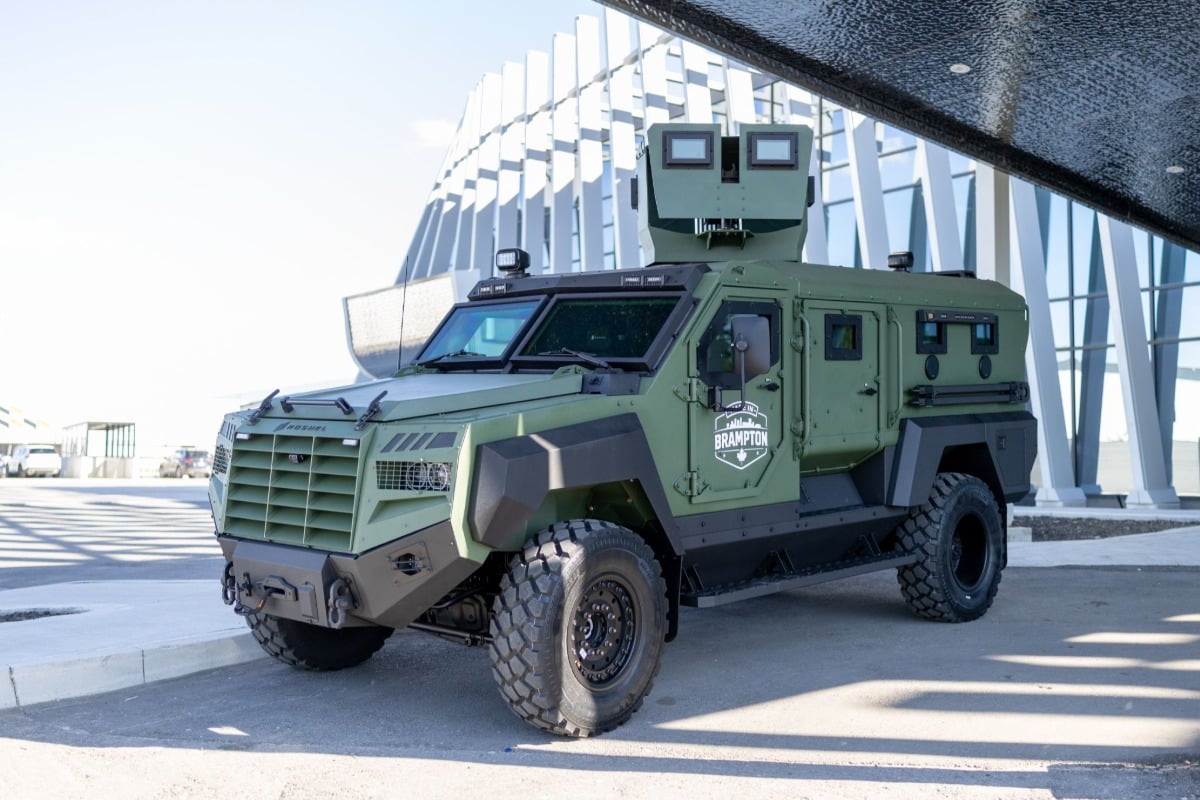
Somewhere in the vast, windswept expanse of northern Canada, a military driver turns a key. Nothing happens. The engine clicks, stubborn and frozen, surrounded by miles of silence. In conditions like these, a vehicle isn't just a way to get from point A to point B. It is a lifeline. It is shelter. It is the thin, steel line between survival and disaster.
Right now, inside climate-controlled boardrooms in Ottawa, suit-wearing executives are debating the exact thickness of that steel.
The Canadian government is preparing to sign off on a massive five billion dollar contract to overhaul its aging fleet of military land vehicles. Five billion. The number is so large it loses its meaning, dissolving into abstract economic jargon. But strip away the financial fluff, and the decision comes down to two surviving contenders competing for a single monumental bid.
Two defense giants. One signature. Thousands of lives hanging in the balance.
The Iron On The Line
Picture a fleet that has seen better days. Vehicles that fought through desert dust in the early two-thousands are now rusting under northern skies. Maintenance crews spend endless hours jerry-rigging parts, stretching taxpayer dollars, and praying that the machinery holds up through one more winter drill.
When a nation decides to replace these machines, it doesn't just go to a dealership and pick out a shiny new model off the lot. It launches a grueling, years-long war of attrition between manufacturing titan corporations.
Initially, a room full of global competitors stepped into the ring. They brought blueprints, sleek prototypes, and armies of lobbyists. One by one, the weaker proposals crumbled under the strict weight of government requirements. Cost overruns knocked some out. Failure to meet extreme weather specifications sidelined others.
Now, the field has narrowed to just two.
The stakes could not be higher. For the winner, this contract represents decade-spanning revenue, factory lines humming at full capacity, and thousands of high-paying manufacturing jobs secured for local communities. For the loser, it means years of wasted research, burnt capital, and a bitter pill to swallow in front of shareholders.
The Human Factor Behind the Numbers
It is easy to get lost in the sheer scale of the defense budget. We read headlines about billions spent and think only of spreadsheets, red tape, and political posturing.
Consider a hypothetical engineer named Sarah.
Sarah works at a specialized manufacturing plant in southern Ontario. For the past three years, her alarm has gone off at five in the morning. She drives to work in the pitch dark, grabs a mug of black coffee, and sits down at her workstation to refine the suspension geometry of a heavy armored transport vehicle. She knows every bolt. She knows how much stress the axle can take before it snaps.
For Sarah, this contract isn't an abstract news item. It determines whether her factory line stays open for the next decade or shuts down its lights by next autumn. It dictates whether her neighbors keep their mortgages or start updating their resumes.
On the other side of the equation sits the driver in that frozen northern tundra. He doesn't care about corporate profit margins. He doesn't care about political soundbites. He cares whether the heater works, whether the armor can withstand an improvised explosive, and whether the drivetrain can haul his team out of a ditch when everything goes wrong.
The government isn't just buying steel and wheels. It is buying trust.
A High-Stakes Balancing Act
Deciding between two final bidders is a brutal process. The evaluators in Ottawa face a agonizing puzzle.
On one side, you have Raw Power and Capability. Can the vehicle climb a forty-five-degree muddy incline while carrying tons of payload? Can its armor withstand modern ballistic threats?
On the other side sits Economic Offsets. How much of that five billion dollars actually stays inside the national economy? Which bidder promises to build assembly lines locally, hire domestic workers, and source raw materials from domestic mills?
Choose the most advanced vehicle, and you might alienate local labor unions if the manufacturing happens overseas. Choose the domestic favorite, and you risk equipping troops with second-best hardware when they need the absolute finest.
Every line item in the final proposal is a compromise. Every checkmark on the evaluation sheet carries weight.
The Silence Before the Ink Dries
The public phase of the battle is over. The flashy PR campaigns have quieted down. The prototypes have completed their grueling endurance tests in the snow, the mud, and the heat.
Now comes the hardest part: the waiting.
Inside government offices, analysts are pouring over thousands of pages of technical data, financial projections, and compliance audits. The two remaining defense contractors can only sit on their hands, watching the clock tick down toward the official announcement.
Five billion dollars will soon change hands. One company will celebrate a historic victory that secures its future for a generation. The other will walk away with empty hands and a massive bill for contract preparations.
Back in the frozen north, the cold wind continues to blow across the snowdrifts. A driver waits for the machine that will carry him into the future, hoping that whoever signs the paper gets it right.