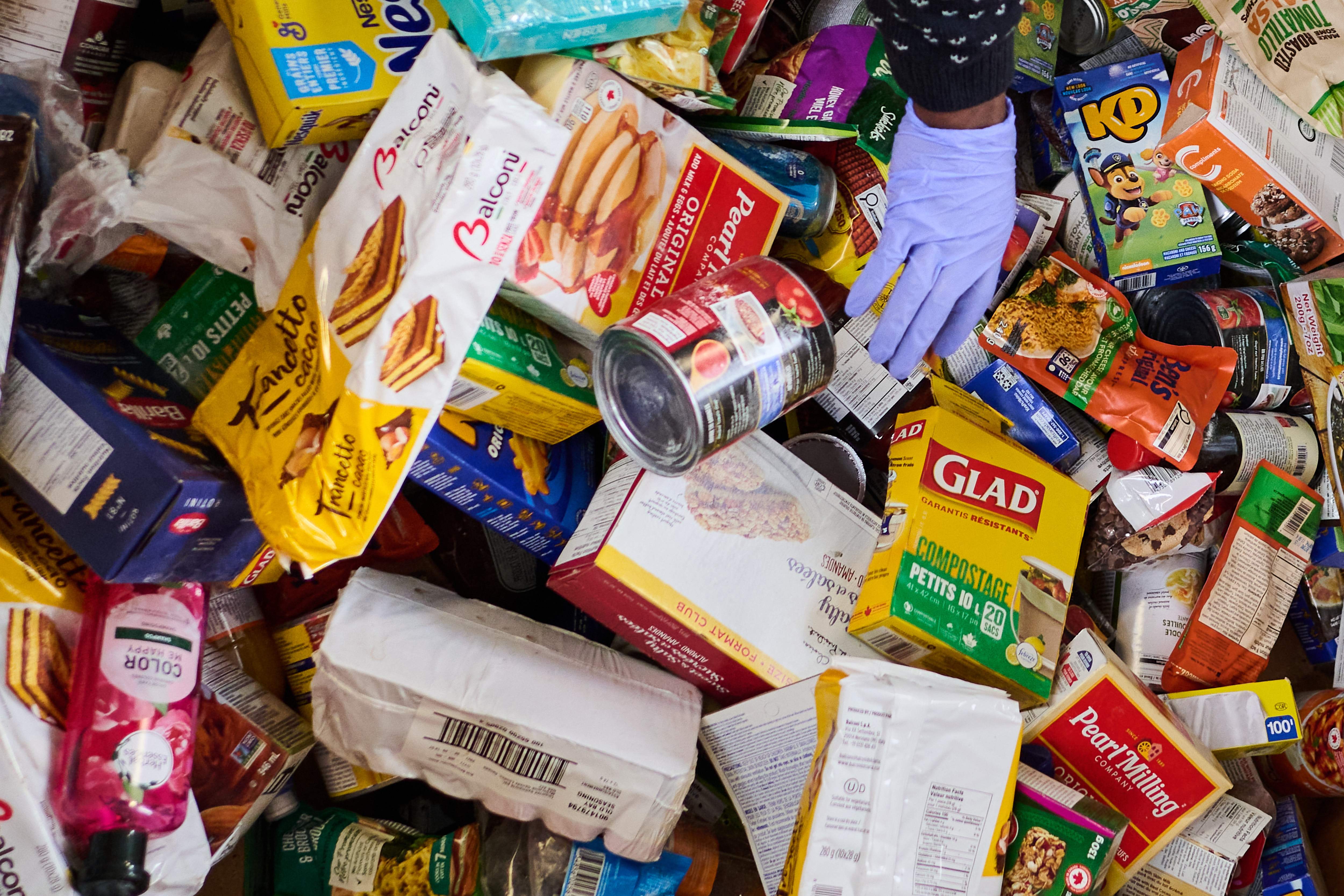
Food waste starts in the refrigerator with a number that means nothing. Millions of people throw away perfectly good milk, meat, and vegetables every day simply because a printed date has passed. This routine disposal habits cost households thousands of dollars annually while contributing directly to national waste crises. Yet the numbers stamped onto packaging do not indicate when food becomes dangerous to eat.
For decades, federal regulators and manufacturers have maintained a confusing system of calendar stamps. Terms like sell by, use by, and best before blur the line between product quality and human safety. The vast majority of these dates reflect only when a manufacturer believes a product tastes its absolute best. Pathogens that cause foodborne illness do not check calendars before multiplying.
Understanding how the dating system actually functions requires looking past marketing language and examining supply chain economics.
The Origins of Arbitrary Freshness
Grocery store shelves did not always feature stamped dates. Before widespread industrial packaging, consumers judged food using their own senses. They smelled milk, inspected meat color, and felt produce texture. The shift toward stamped dates began as an inventory management tool for stockers, not a public health mandate.
Supermarkets needed a way to track stock rotation. Manufacturers added codes that only warehouse workers and stock clerks could decipher. Eventually, consumer demand for transparency pushed these internal tracking codes into plain view. Printing clear dates on packages seemed helpful on the surface. Instead, it created an unintended psychological trap for shoppers.
Confusion quickly took root. Retailers pulled items immediately when the printed day arrived. Consumers assumed passing the date transformed safe groceries into biohazards. Food safety experts watched in frustration as the public conflated sensory degradation with microbial contamination.
A stale cracker tastes unpleasant. It will not send anyone to the hospital. Treating quality markers as absolute safety boundaries turned household kitchens into disposal sites for edible provisions.
Decoding the Regulatory Vacuum
Federal oversight regarding food dating remains surprisingly sparse. With the exception of infant formula, the United States Department of Agriculture and the Food and Drug Administration do not mandate expiration dates for safety reasons.
Food safety laws prohibit the sale of adulterated or spoiled food. However, they leave the choice of dating labels entirely up to food manufacturers. Companies design these labels voluntarily. Naturally, manufacturers lean toward conservative estimates. Protecting brand reputation means ensuring consumers experience a product at peak flavor. If a box of cereal loses its crunch a month past the stamp, the buyer might blame the brand.
This corporate incentive structure prioritizes peak taste over waste reduction.
+------------------------------------+------------------------------------------+
| Label Type                         | What It Actually Means                   |
+------------------------------------+------------------------------------------+
| Sell By                            | Instructions for the retailer's stock.   |
| Best Before / Best By              | Manufacturer estimate for optimal flavor.|
| Use By                             | Last date recommended for peak quality.  |
+------------------------------------+------------------------------------------+
None of these designations signal the proliferation of dangerous bacteria like Salmonella or Listeria. Those organisms contaminate food regardless of the date printed on the exterior carton. Temperature control, cross-contamination, and poor hygiene drive foodborne illness. A carton of pasteurized milk kept at optimal refrigeration temperatures remains safe days or even a week past its printed date, even if the flavor profile shifts slightly.
The Economic and Environmental Toll
The financial cost of misinterpreting expiration dates hits household budgets hard. The average family discards hundreds of pounds of edible groceries annually. When multiplied across millions of households, the waste creates staggering environmental consequences.
Landfills overflow with organic matter. As food rots in oxygen-deprived environments beneath layers of municipal trash, it generates massive quantities of methane gas. Methane traps atmospheric heat far more effectively than carbon dioxide. Disposing of a gallon of unspooled milk or a carton of fresh eggs does more than waste money. It accelerates ecological degradation.
Retailers face parallel pressures. Supermarkets reject shipments or dump inventory prematurely to avoid consumer backlash or perceived liability. Entire pallets of fresh produce bypass store shelves simply because minor cosmetic blemishes coincide with approaching date markers.
Supply chain analysts point out that modern logistics could easily accommodate dynamic pricing models. Items nearing their printed dates could be discounted heavily or redirected to food rescue organizations. Instead, rigid corporate policies treat dates as an unyielding wall.
Reclaiming Sensory Literacy
Modern consumers have largely outsourced their survival instincts to corporate printers. Relying on visual and olfactory checks feels risky to generations raised on absolute guidelines. Yet human sensory organs evolved specifically to detect food spoilage.
Evolution provided advanced tools for evaluating provisions. Sour odors, slimy textures, discoloration, and mold growth serve as reliable indicators of decomposition. Pathogenic bacteria often grow invisibly without altering food appearance or smell. Conversely, harmless spoilage organisms make their presence obvious immediately.
Milk sours because of lactic acid bacteria. The process smells sharp and tastes unpalatable long before it poses any toxic threat. Bread grows fuzzy patches of mold long before it becomes chemically hazardous.
Trusting sensory evaluations requires unlearning decades of anxiety-inducing marketing.
- Smell the item. If dairy smells sour or meat emits a sulfurous odor, discard it.
- Check the texture. Slimy films on poultry or produce indicate advanced bacterial breakdown.
- Inspect for mold. While porous foods like soft cheese or sliced bread must be discarded when mold appears, hard cheeses can often have mold spots trimmed away safely.
The Policy Battleground
Legislative efforts to standardize and clarify food labeling face fierce resistance. Lawmakers have introduced various bills over the years attempting to mandate uniform phrasing across the food industry. Proposals typically aim to replace confusing terminology with two standardized phrases: one for actual safety risks, and one for quality guidelines.
Food manufacturers often lobby against federal mandates. They cite formatting costs, supply chain complexities, and potential consumer confusion during transitions. Retail groups express similar reservations about shifting liability standards.
Progress happens incrementally. Several large supermarket chains have begun dropping date labels from fresh produce aisles entirely, encouraging shoppers to evaluate items visually. State-level initiatives also encourage food banks to distribute shelf-stable and perishable goods past their printed dates under strict safety protocols.
Institutions are slowly waking up to the absurdity of the current system. Change requires dismantling the deeply ingrained habit of treating a printed calendar day as an absolute verdict.
Kitchens must return to common sense. Evaluate what sits in the pantry and the refrigerator based on physical reality rather than bureaucratic guesswork. Stop throwing away food simply because a machine printed a number on the wrapper.