The Auckland fog has a habit of making everything feel distant. For forty years, that distance wasn’t just a matter of weather for the Indian diaspora in New Zealand. It was a mathematical reality. Decisions made in New Delhi took months to ripple across the Pacific. Trade agreements sat in bureaucratic drawers, gathering dust while generations of families grew up, opened corner stores, built tech startups, and watched their children lose the crispness of their accents.
Then, a plane touched down. If you enjoyed this piece, you should check out: this related article.
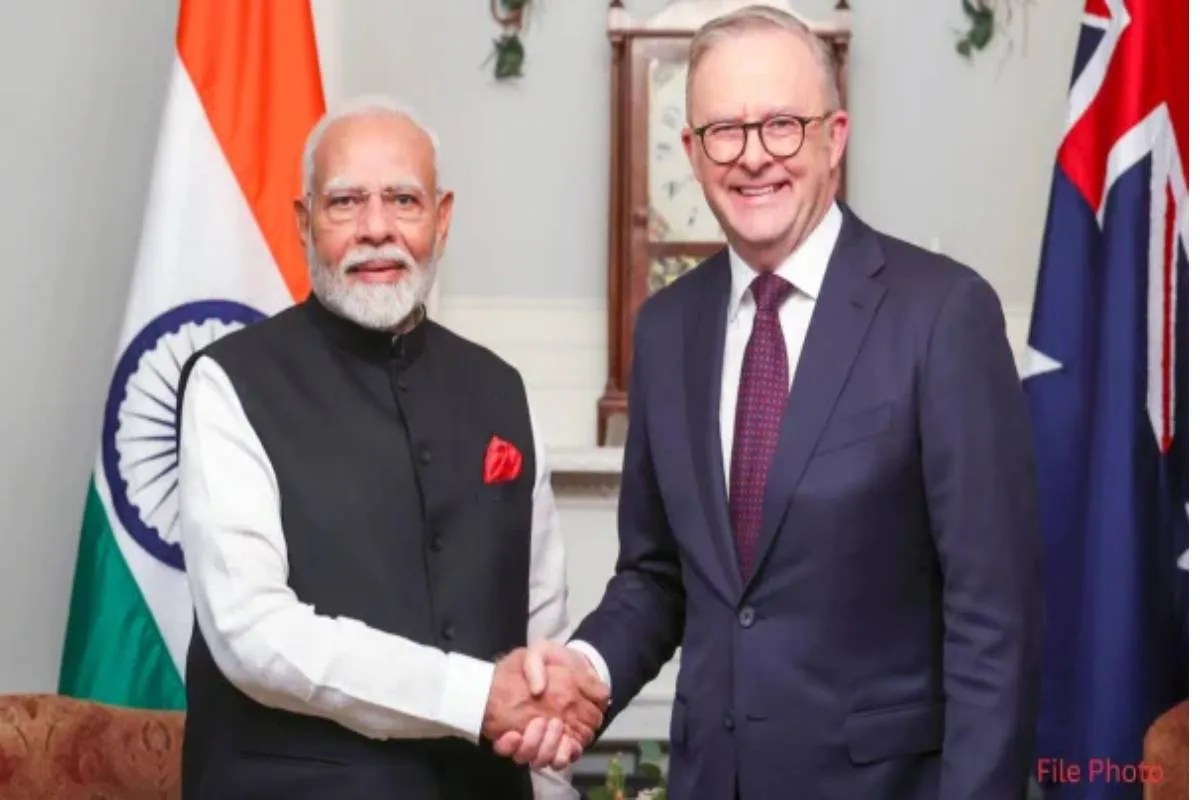
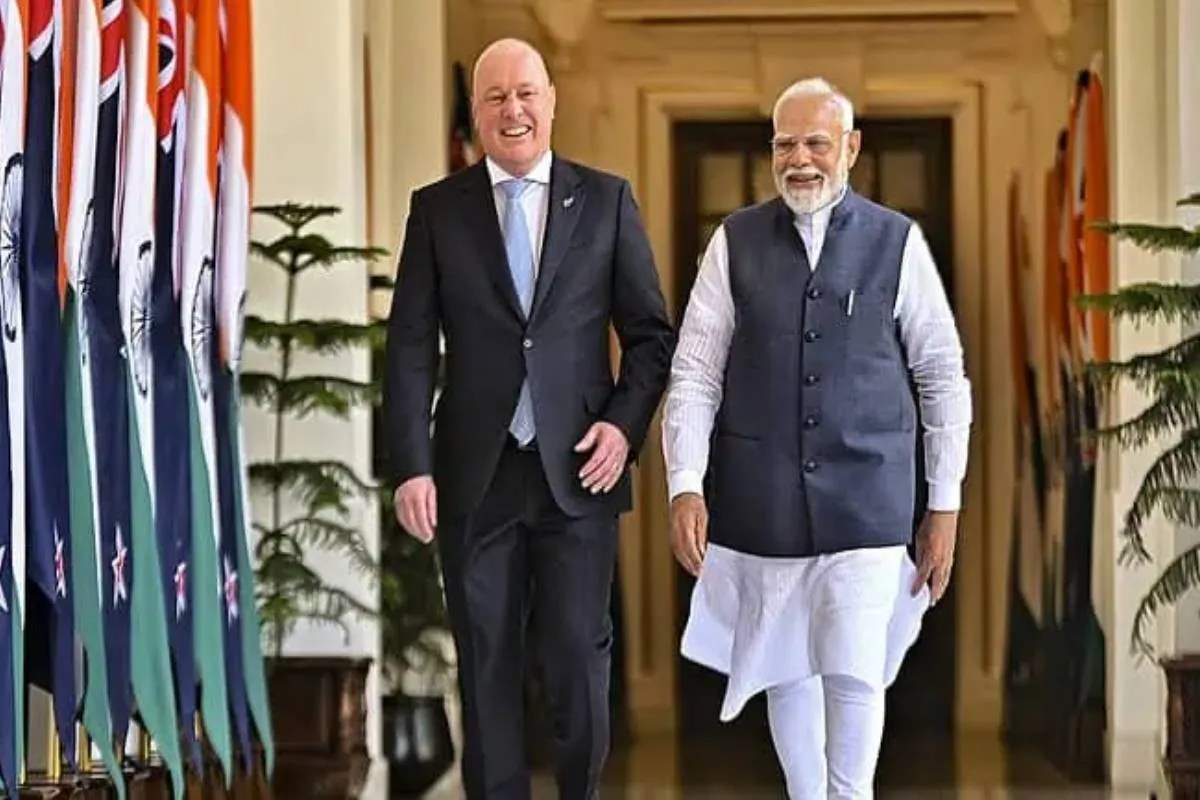
When Prime Minister Narendra Modi’s aircraft landed in New Zealand, it marked the end of a four-decade diplomatic winter. To the casual observer tracking global politics, it was a standard state visit. A photo opportunity. A handshake between leaders. But for the nearly quarter of a million non-resident Indians (NRIs) calling New Zealand home, that touchdown sounded like a starting gun.
Consider a hypothetical family: Rajesh and Meena, who moved to Wellington in the early nineties. They built a modest business importing traditional textiles and spices. For decades, their margins were eaten alive by tariffs, red tape, and the sheer logistical nightmare of moving goods between two countries that seemed to view each other as policy afterthoughts. For another look on this development, check out the latest coverage from TIME.
"We just got used to the waiting," Rajesh would say, tracing the edge of a shipping invoice. "Waiting for clearances. Waiting for a sign that anyone in power cared about this specific corridor of the world."
The wait is over. The centerpiece of this diplomatic thaw is the framework for a Free Trade Agreement (FTA), a document that sounds dry on paper but functions as a life raft in practice.
To understand why this matters, we have to look at the numbers through a human lens. Trade between India and New Zealand has historically been a fraction of what it could be. New Zealand boasts world-class dairy, agriculture, and education. India possesses an insatiable, rapidly modernizing market and a massive pool of digital talent. Yet, the friction between the two systems meant that a boutique dairy farmer in Waikato found it easier to sell to Europe than to Mumbai.
An FTA changes the friction. Think of it as resurfacing a gravel road into a multi-lane highway. By slashing tariffs on key exports, the agreement allows small businesses on both sides of the ocean to compete on a level playing field.
But the real transformation lies elsewhere. It is not just about crates of apples or shipments of machinery. It is about people.
For a young software engineer in Bengaluru looking at opportunities in Auckland, or a Kiwi tech firm trying to scale its operations, the true value of this visit is mobility. The discussions behind closed doors focused heavily on easing visa processes and creating mutual recognition for professional qualifications.
Historically, an Indian degree in accounting or engineering might require years of bureaucratic re-certification upon landing in New Zealand. It was a quiet tragedy of underemployment—brilliant minds driving taxis or managing retail stores because their paperwork didn't translate. The new framework aims to bridge that gap directly.
The energy in the diaspora community during the visit was electric, but underneath the celebration lay a profound sense of relief. For forty years, the community had done the heavy lifting of diplomacy on their own. They hosted cultural festivals, built temples and gurdwaras, and established business networks with zero institutional backing from their home country. They were cultural ambassadors without a portfolio.
Now, the state has caught up with the community.
The economic ripples will take time to manifest fully. An FTA is not a magic wand; it is an invitation. It requires businesses to take risks, invest capital, and learn the cultural nuances of market spaces that have been isolated from each other for too long. New Zealand businesses must learn to navigate the sheer scale of India’s digital-first economy. Indian enterprises must adapt to New Zealand's uncompromising standards on sustainability and quality.
The true test of this historic visit will not be measured in the immediate press releases or the warmth of the initial banquets. It will be measured five years from now, in the volume of cargo moving through ports, the number of students successfully crossing borders, and the ease with which a small business in Auckland can source components from Hyderabad.
The fog in Auckland eventually clears, revealing a harbor that connects to the rest of the world. For forty years, the view toward India was blocked by policy inertia. Today, the horizon looks entirely different.