Mass arrests hit roughly 1,800 to 2,400 people across France in mid-October 2026, forcing President Emmanuel Macron to address the nation after violent riots, looting, and arson followed massive cost-of-living protests.
Let's be blunt. A speech won't calm a country when historic town halls burn and hundreds of storefronts get cleaned out.
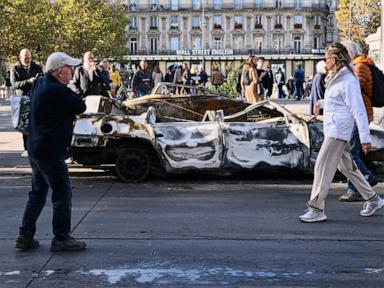
On Saturday, October 17, 2026, anywhere from 550,000 to 800,000 people turned out nationwide over soaring living costs, high fuel prices, and strained schools. Most marched peacefully. Yet masked groups and looters hijacked the day's momentum. In Limoges, fire tore through the 19th-century City Hall and collapsed its roof. Around Paris's Place de la République, shop windows lay shattered and cobblestones were pried loose. Lyon's historic tourism office caught fire, while town halls and public offices took hits in cities like Lille and Marseille.
Why the French Riots Escalated So Fast
I've watched enough European street politics to know a simple truth: peaceful marches rarely turn into widespread looting by accident. Real economic pressure sets the kindling. Opportunists bring the matches.
Household budgets across France have been squeezed hard by elevated energy and fuel prices, tied in part to wider inflation pressures and conflict in the Middle East. Students, teachers, union members, and activists reviving echoes of the 2018 yellow vest movement all had clear grievances. You don't draw hundreds of thousands of people into the streets over nothing.
Still, two distinct dynamics collided on October 17:
- Mainstream grievances: Workers, parents, and students protested rising daily expenses and underfunded schools. Many ordinary demonstrators felt sickened when small groups broke windows and looted shops, knowing violence discredits their cause.
- Organized disorder and opportunism: Police and officials pointed to violent fringe factions, hooded youths, and crews targeting stores and public buildings. Interior Minister Laurent Nuñez noted that hundreds of businesses suffered looting, with arrests tied to vandalism, receiving stolen goods, and association with intent to commit violence.
Anyone claiming the entire half-million-plus crowd came to burn city halls is ignoring the street reality. Anyone pretending organized rioters didn't exploit the chaos is equally blind. Both things happened at once.
What Macron's Address Was Trying to Do
When Macron stepped up to address the public, he walked a tightrope. Push too hard against protesters, and he inflames labor unions and students. Sound too soft on arson and looting, and critics accuse the state of losing control.
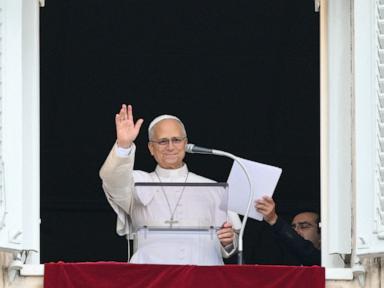
His core move was separating peaceful demonstrators from violent actors. By condemning "unbridled violence" from ultra-left factions and delinquents while acknowledging public anger and shame over the destruction, Macron tried to protect the rule of law without declaring war on every citizen frustrated by high prices.
That framing makes strategic sense on paper. In practice, words hit a wall when people see smoke over a town hall or glass crunching outside a neighborhood shop. Local leaders felt the shock firsthand—Paris Mayor Anne Hidalgo called the street looting deliberate, Lyon's mayor Grégory Doucet spoke of fear and shop owners feeling abandoned, and opposition voices from both the left and the far right used the crisis to attack the government.
The Mass Arrests and Political Fallout
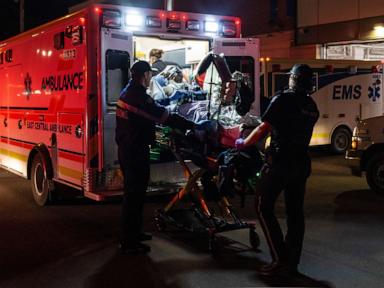
Arrest tallies climbed rapidly across the weekend—starting around 1,800 in early reports and reaching roughly 2,400 by Sunday, with hundreds of police, firefighters, and paramedics hurt alongside injured demonstrators. Those numbers rivaled single-day yellow vest arrest peaks from December 2018.
Big arrest numbers grab headlines. They don't automatically fix underlying trust.
Fast-track prosecutions and heavy police deployments—including riot units and security checks at transit hubs—show a state determined to reassert order. Yet tough policing carries a steep political risk ahead of France's next presidential cycle. Marine Le Pen and the far right routinely capitalize on street disorder to demand stricter security measures. Meanwhile, figures like Jean-Luc Mélenchon and union leaders press the government over living standards, education, and policing tactics.
A country rarely solves a cost-of-living revolt with tear gas alone—or calms street arson with speeches alone.
What Most People Get Wrong About French Protests
Outsiders often treat France as a place where riots happen for sport. That's lazy analysis.
Street protest is a traditional pressure valve in French civic life, especially when people feel locked out of economic relief. What made October 2026 especially volatile wasn't just the size of the marches; it was the collision of economic strain, school frustrations, and rapid escalation against municipal symbols and local businesses. Even follow-up demonstrations later in October and November showed the grievance hadn't vanished overnight.
Practical Steps If You're Following or Traveling in France
If you're tracking this story for business, policy, or travel, don't rely on single-day arrest headlines alone. Cross-check official figures from France's Interior Ministry alongside reporting from outlets like The Guardian and AP / CP24 to separate crowd sizes from riot incidents.
If you're traveling or operating in French cities during major protest days:
- Check prefecture advisories and transit updates early. Metro stations near major squares often close on short notice, and security checks around rail hubs can slow movement.
- Avoid flashpoints once marches disperse. Trouble frequently flares around major squares, commercial corridors, or after planned routes end.
- Keep flexible buffers for deliveries and schedules. Road blockades and heavy police cordons can stall cross-town trips even when your neighborhood feels quiet.
Watch what happens next on two fronts: whether concrete relief reaches households and schools, and whether courts and police restore calm without fueling a deeper cycle of anger.
France's Unrest Explained Simply
This video is relevant because it covers Macron's response to the October 2026 protests, looting, and mass arrests in France.