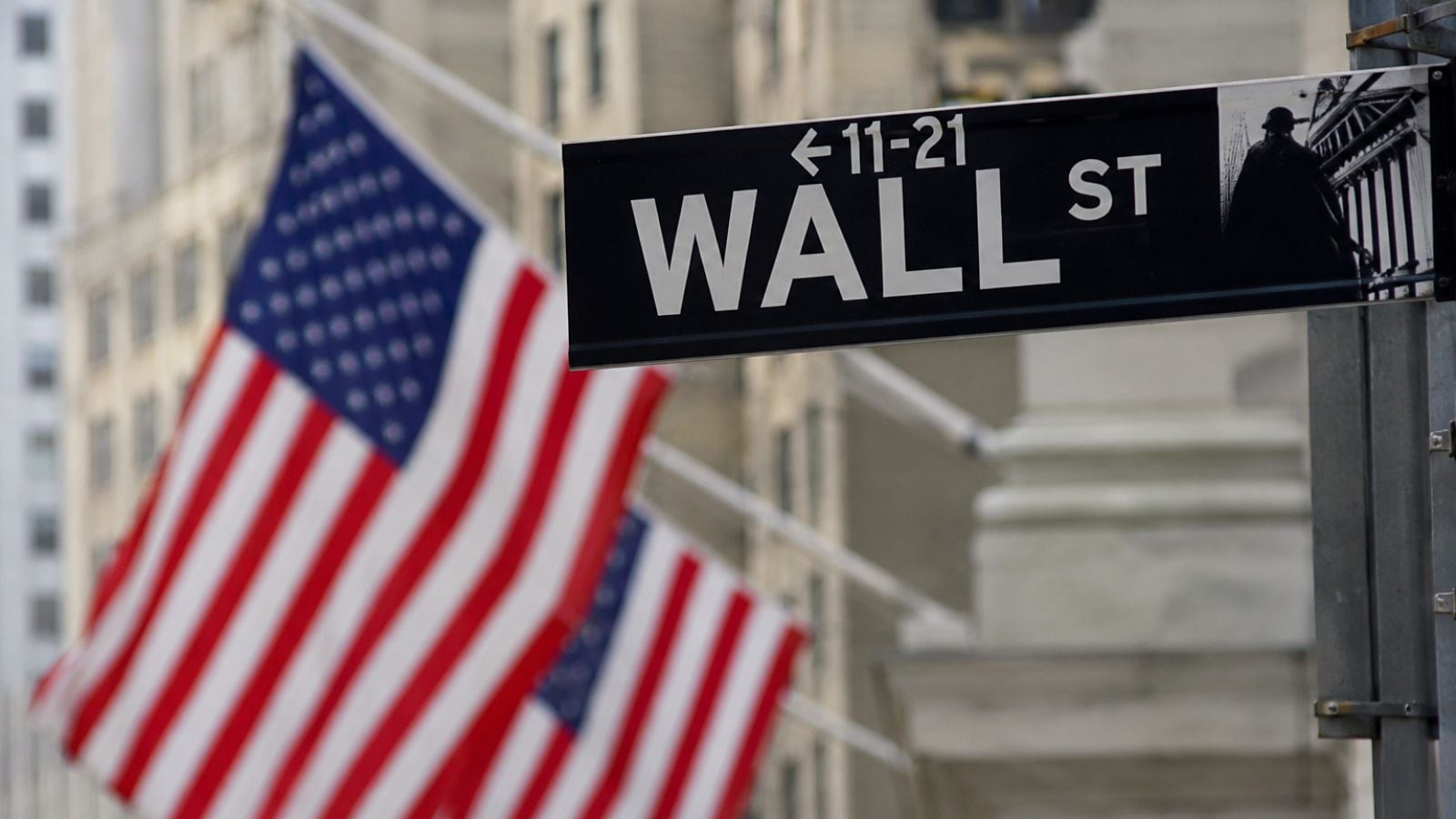
Every time a headline flashes across the terminal about a standoff in the Middle East, portfolios panic. Amateurs rush to cash. Pundits dust off tired warnings about oil shocks and systemic contagion. The lazy consensus on Wall Street assumes that geopolitical friction equals an immediate, indiscriminate selloff in equities.
It is a comforting narrative for nervous traders. It is also completely wrong. You might also find this similar coverage interesting: The Corporate Debt Illusion That Hides the Real Bankruptcy Reality.
Markets do not drop because a missile is threatened or a tanker is delayed. They drop because human beings running quantitative funds and emotional retail accounts confuse headline risk with structural damage. I have watched institutional desks panic-sell blue-chip cash flows over localized saber-rattling that did not move corporate earnings by a single fraction of a penny.
Let us dismantle the fiction that US-Iran tensions dictate the long-term value of American enterprise. As reported in recent coverage by CNBC, the implications are significant.
The Flawed Logic of Geopolitical Fear
The mainstream narrative relies on a direct line of causation: geopolitical tension equals rising oil prices, rising oil prices equal inflation, inflation equals Fed tightening, and tightening equals lower stock prices.
This chain is fragile. It assumes static corporate behavior and ignores the fundamental resilience of modern corporate balance sheets. When traders scream about a US-Iran standoff keeping markets cautious, they are trading the weather while ignoring the foundation of the house.
Let us look at the mechanics. A spike in crude prices driven by Strait of Hormuz rhetoric does not instantly break software margins, medical device demand, or consumer staples cash flows. In fact, large-cap US equities are vastly less energy-dependent today than they were during the oil shocks of the 1970s or 1980s. The index is dominated by asset-light technology, financial platforms, and healthcare giants that care far less about bunker fuel than they do about interest rate trajectories and consumer discretionary income.
Yet, every single time, desks treat a regional geopolitical flare-up as an existential threat to the entire Standard and Poor 500.
The Anatomy of a False Mixed Open
When financial media reports that markets opened mixed due to cautious sentiment over Middle Eastern friction, they are describing surface-level noise. A mixed open is not a referendum on foreign policy. It is simply a temporary liquidity vacuum where market makers widen spreads because automated news scrapers are flashing yellow.
Smart money does not look at a standoff and calculate the geopolitical probability of war; smart money calculates the mispricing of equities relative to cash flows.
Imagine a scenario where a defense contractor drops three percent because of diplomatic posturing, while its multi-year backlog of government contracts remains untouched. The cash flows are locked in. The delivery schedules are written in concrete. Yet the equity price moves as if the factory doors are about to close. That is not analysis. That is allergy to headlines.
If you are liquidating index funds or dumping fundamentally sound equities because diplomats are exchanging harsh words, you are paying a voluntary tax to patience.
Why Oil Spikes Are Self-Correcting
The core anxiety underpinning every Iran-related market wobble is energy supply disruption. The assumption is that oil prices will skyrocket and stay there, choking global growth.
History instructs us otherwise. Commodity markets are hyper-efficient shock absorbers. Every single time supply risks emerge in the Persian Gulf, two things happen immediately:
- Non-OPEC producers quietly ramp up drilling activity to capture higher margins.
- Demand destruction and substitution effects kick in faster than planners anticipate.
The market prices permanent disruption into temporary events. By the time the panic peaks, the logistical workarounds are already being deployed. Traders who sell the dip on geopolitical anxiety are fighting the most powerful force in capitalism: the relentless pursuit of profit around supply bottlenecks.
The Real Risk No One Is Pricing
While the financial press obsesses over Tehran and Washington, the real risks to your capital are sitting quietly in domestic policy, structural debt servicing costs, and regulatory overreach. These are boring, unsexy variables that do not make for dramatic morning television segments.
Geopolitical standoffs are loud. They are designed to be loud. They provide a convenient narrative scapegoat for a market that is simply consolidating after a run, or rotating sectors due to domestic yield curves.
When you allow foreign policy drama to dictate your portfolio allocation, you fall into the trap of reacting to drama rather than evaluating data. The institutional desks that outperform across decades do not care about the rhetoric coming out of the Middle East unless it fundamentally alters physical supply chains for a prolonged, multi-year horizon. A temporary naval standoff does not do that.
How to Position When the Street Panics
Stop asking whether a geopolitical standoff will escalate. That is a macro forecasting trap designed to make you feel like you need an intelligence briefing to make money.
Instead, ask a more precise question: Are the underlying cash flows of the businesses I own impaired by this headline?
If the answer is no, every tick downward driven by fear is an invitation.
- Audit your watchlist: When the market opens mixed or red due to foreign policy jitters, pull up the balance sheets of the companies you actually want to own. Look at their free cash flow yield. Look at their debt maturity schedules.
- Separate price from value: A lower stock price in the face of irrelevant geopolitical noise is a gift from emotional sellers.
- Ignore the daily narrative: If a company can survive a recession, service its debt easily, and grow its market share, it can survive a diplomatic standoff.
The market does not reward those who panic with the crowd. It transfers capital from the impatient to the disciplined. Next time the terminals light up with warnings of regional instability, check your cash reserves, ignore the anchors, and buy the mispricing.