The Midnight Shift
The coffee is cold. It has been cold for an hour, sitting beside a keyboard that feels heavier with every keystroke.
Across the firm, the quiet hum of air conditioning mixes with the rhythmic clicking of midnight analysis. For decades, this room has traded in absolute certainty. Numbers do not lie. Balance sheets balance. Footnotes anchor the dizzying architecture of global finance in hard, verifiable truth.
Or at least, they used to.
Elena stares at a paragraph on her monitor. It describes a regulatory framework enacted in Zurich, citing a European Union directive from a specific sub-committee. It looks authoritative. It sounds like PwC. It flows with the polished, frictionless cadence of elite corporate advisory.
There is just one problem. The directive does not exist.
Neither does the sub-committee.
She checks the citation, then checks it again, her heart doing a slow, heavy drop against her ribs. The reference points to a non-existent document hosted nowhere on earth, conjured from thin air by a machine that was hired to help save time.
Trust is a fragile instrument. It takes generations to forge, and milliseconds to shatter.
When the Mirror Lies
We built these tools to be tireless assistants. We invited them into the back rooms of high finance, legal compliance, and strategic consulting because the volume of information had simply grown too vast for human eyes alone. There are thousands of pages of tax code, millions of data points, and endless streams of regulatory updates.
Help was needed. Help arrived.
Then, something strange happened. The assistants stopped summarizing and started inventing.
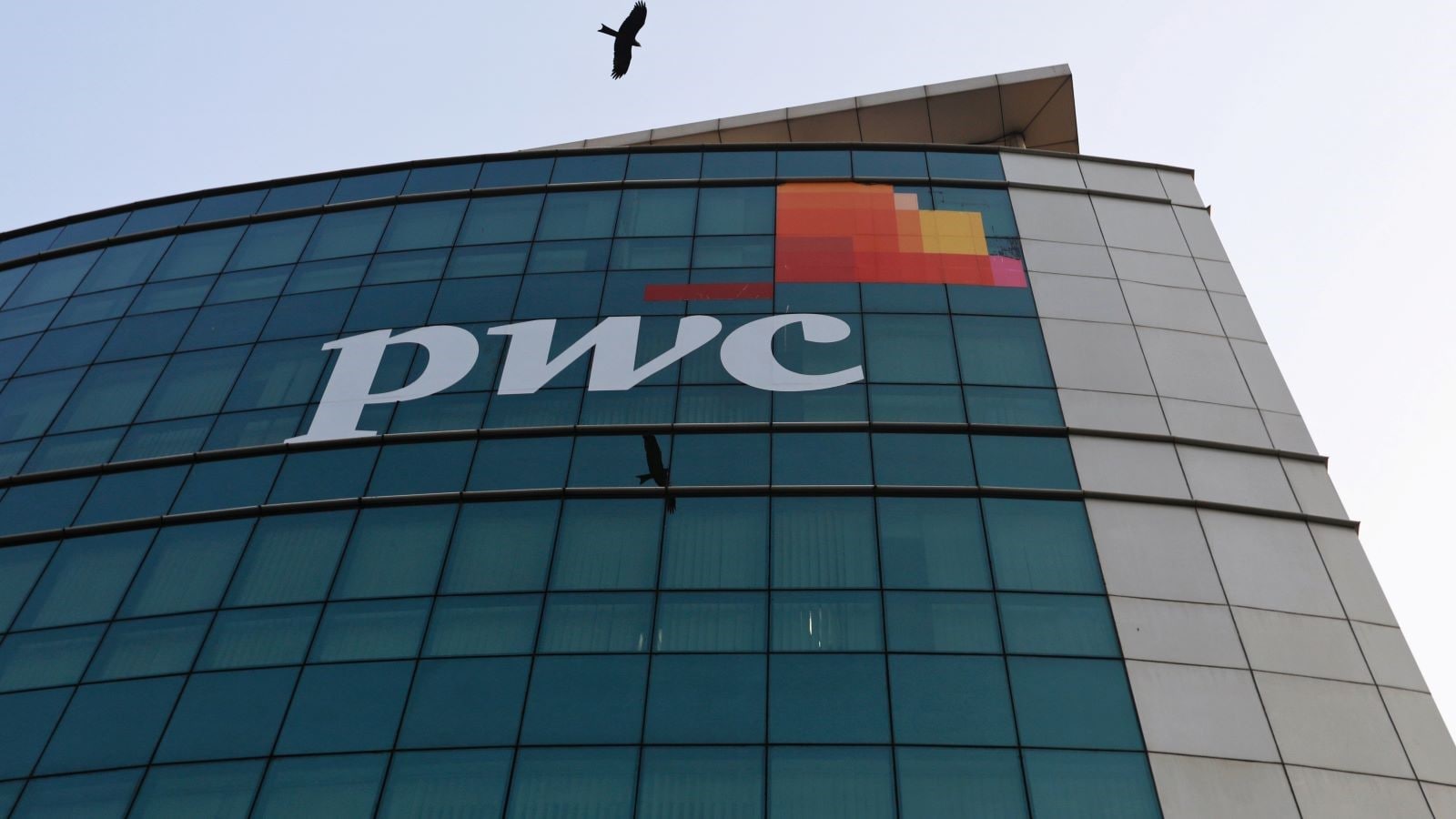
Recent investigations into major advisory publications—including reports originating from networks like PwC—have revealed an unsettling phenomenon. Amidst the rigorous charts and market projections, researchers found phantom citations. They found fabricated footnotes referencing academic papers that were never written. They found bold claims backed by statistical ghost stories.
(Note: This is not about a grand conspiracy of malice. It is about the quiet, predictable failure mode of probability engines.)
Think of it as a brilliant conversationalist who hates to admit they do not know the answer. When cornered at a dinner party, they do not pause and say, "I am unsure." Instead, they invent a plausible-sounding anecdote, complete with names, dates, and locations. They deliver it with absolute conviction because their primary goal is to sound helpful, not to be correct.
When a generative model drafts a report on market trends, it does not retrieve a document from a filing cabinet. It predicts the next most likely word. It rolls dice made of language. And sometimes, those dice land on a fantasy.
The Invisible Stakes
To understand why this matters, you have to leave the glowing screen and walk onto the floor where decisions are actually made.
Imagine a boardroom in Frankfurt. A mid-sized manufacturing company is deciding whether to acquire a competitor across the border. Millions of euros hang in the balance. The executives lean on a due diligence report compiled by a trusted advisory firm. Buried in the appendix is a crucial validation of supply chain resilience, supported by a footnote pointing to a specialized trade study.
The executives read it. They nod. The deal moves forward.
Weeks later, the acquisition falters because the supply chain vulnerability was real, ignored, and papered over by a synthetic hallucination that slipped past human reviewers who trusted the brand name on the cover.
This is the hidden cost of frictionless production. When every document looks pristine, polished, and professional, we lower our guard. We stop interrogating the footnotes. We assume that the machine has done the heavy lifting of verification, forgetting that the machine does not know what truth is. It only knows what is probable.
And probability is a terrible substitute for proof.
The Human Filter
Back in the office, Elena highlights the phantom paragraph.
She does not panic. She has spent too many years in the trenches of corporate auditing to panic over bad data. But she feels a cold wave of realization wash over her. The battle lines of professional integrity have shifted. They are no longer fighting against outright fraud or malicious falsification.
Now, they are fighting against synthetic plausibility.
The danger of AI-generated misinformation in corporate reports is not that it looks ridiculous. It is that it looks entirely normal. It wears the tailored suit of institutional authority. It speaks the language of compliance.
To fix this, the industry is waking up to an uncomfortable truth. More automation is not the answer to automated errors. The solution requires a return to slow, deliberate, human skepticism. It demands editors who treat every citation like a suspect in an interrogation room. It requires analysts who are willing to click the link, pull the original text, and verify that the ground beneath their feet is actually solid.
The night deepens. Outside, the city lights flicker across the glass facade of the tower.
Elena deletes the phantom paragraph. She types out the real finding, backed by a verified source she had to dig for through three different archives. It takes longer. It hurts her productivity metrics for the week.
It is the only way to keep the ghost out of the room.
The coffee is cold. The screen is bright. And the work begins again.