Money does not always make a sound when it moves. Sometimes, it slips through accounts like water through cupped hands, leaving only a faint trace of salt behind. Years later, the bill arrives.
Picture a sleek glass tower overlooking the Singapore River. Inside, air conditioning hums at a precise, chilling temperature. Screens flicker with green and red numbers. Bankers in crisp white shirts type furiously, executing orders that cross oceans in milliseconds. To the casual observer, this is the machinery of modern prosperity. It is clean. It is orderly. Meanwhile, you can find related developments here: Why the India US Trade Agreement Is Taking So Long to Sign.
Now, strip away the glass. Imagine sitting across a wooden table from someone who spent their life building a small business, only to watch the global financial system fracture trust in a single afternoon. That is where the real story lives. Not in the spreadsheets, but in the vertigo that hits when institutional giants realize their vaults were wide open to ghosts.
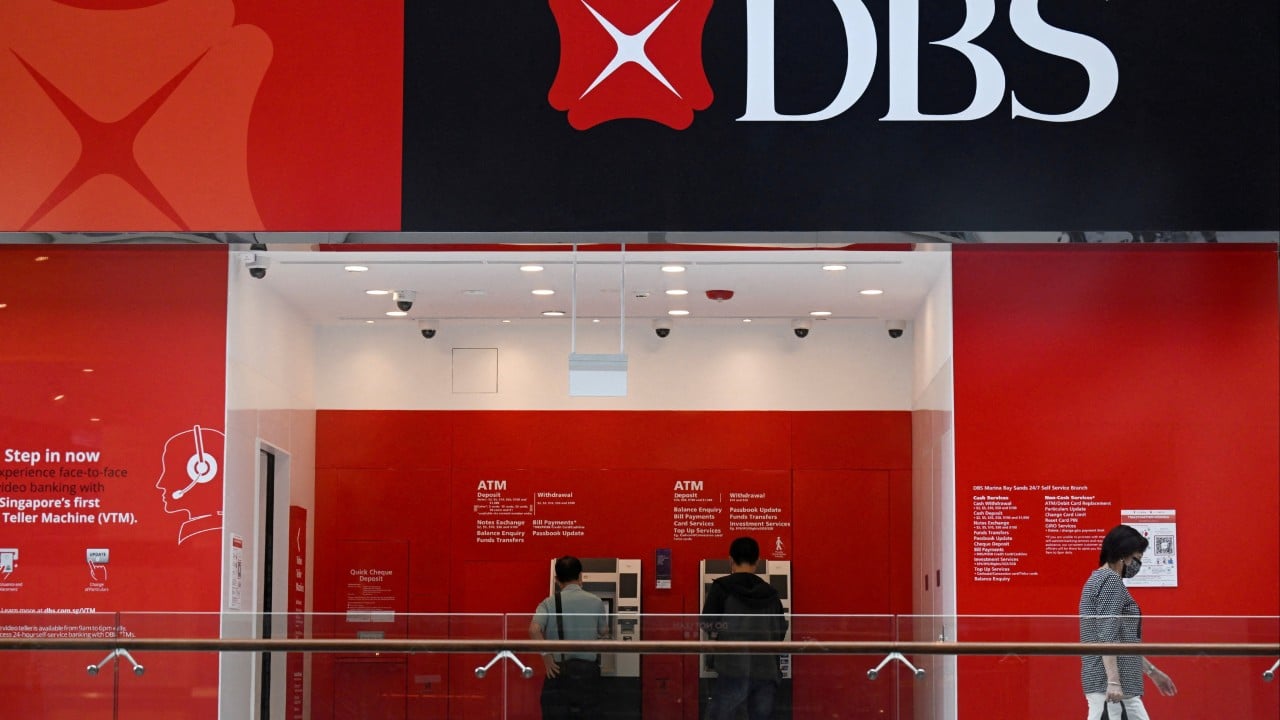
Singapore’s DBS, the crown jewel of Southeast Asian banking, finds itself staring down a staggering liability. A claim for one billion dollars. To explore the complete picture, we recommend the excellent analysis by Harvard Business Review.
To understand why this number matters, you have to look backward. You have to remember the sprawling web of the 1MDB scandal, a financial ghost story that refuses to rest. It was supposed to be a state fund designed to drive strategic investments for Malaysia. Instead, it became a vacuum cleaner, sucking up billions of dollars and scattering them across luxury real estate, Hollywood movie productions, and Swiss bank accounts.
When a scandal of that magnitude shatters, the shockwaves travel outward for decades. They hit offshore accounts, compliance departments, and boardrooms thousands of miles away.
DBS is now fighting a legal battle tied to those old wounds. The plaintiffs are liquidators acting for 1MDB-linked entities, and they are pointing an accusing finger directly at the bank. The allegation is stark: money that should have raised red flags was allowed to pass through unchecked.
Let us be honest about how banking actually works. To most of us, a bank is a fortress. We assume that if we deposit our hard-earned savings, security guards and algorithms are watching every penny. We trust that multi-billion-dollar institutions possess infallible radar systems capable of spotting dirty money from a mile away.
That is an illusion.
Banks are closer to grand Central Stations. Thousands of trains pull in and out every hour. Porters are rushed. Schedules are tight. If a traveler flashes the right paperwork and speaks with enough confidence, the ticket agent waves them through. Compliance officers are human beings drowning in a sea of transactions, trying to separate legitimate trade from sophisticated plunder.
When the plunderer wears a tailored suit and uses complex corporate structures, the alarm bells do not always ring. Sometimes, they just whisper.
And that whisper is what costs a billion dollars.
Consider what happens next in a courtroom when these allegations are tested. Lawyers will dissect every compliance memo sent in 2013 or 2014. They will examine whether a junior compliance analyst ignored a suspicious wire transfer because a high-net-worth client brought in millions in annual fees. They will test the limits of corporate liability. Can a bank be held entirely responsible if clever operators deliberately mask the true origin of funds?
The stakes extend far beyond the balance sheet of DBS. This lawsuit is a stress test for the entire financial architecture of Southeast Asia. Singapore positions itself as the Switzerland of Asia, a pristine sanctuary of rule-of-law and airtight governance. Its economy depends on that reputation. If international investors begin to suspect that billions in illicit wealth can easily slosh through local institutions without severe friction, the sanctuary loses its luster.
Trust is an intangible asset. It takes fifty years to construct and five minutes to burn to the ground.
Walking through the financial district of Marina Bay today, you would never know a storm is brewing. The fountains still spray water toward the sky. Executives still lunch on artisanal salads. Yet beneath the pavement, the legal machinery grinds forward, setting a precedent that will dictate how global banks handle suspicious wealth for generations.
The lesson of 1MDB was never just about a stolen Malaysian fund. It was a brutal wake-up call about the blind spots of modern capitalism. It taught us that globalization outpaced regulation. It showed us that when money moves at the speed of light, accountability often lags behind by a decade.
When the final verdict is handed down in this billion-dollar showdown, the headline will flash across terminal screens for twenty minutes before the market moves on. Stock prices will fluctuate. Analysts will adjust their forecasts.
But somewhere in an office overlooking the river, a risk officer will stare at a new transaction, wondering if the whisper they hear today is the thunder of tomorrow.