The air inside the secure briefing room smelled of stale coffee, expensive wool, and absolute, crushing exhaustion. It was late summer in 1998. Outside, the humid Washington heat pressed against the thick glass of the White House windows, blurring the monuments of a capital city that slept blissfully unaware of the storm brewing in the Hindu Kush. Inside, men with heavy eyes and stars on their shoulders stared at grainy, washed-out reconnaissance photographs.
They were looking at shadows. But those shadows had a name. In related updates, take a look at: The Anatomy of Russian Nuclear Threats and Why Europe Refuses to Blink.
For months, intelligence analysts had been tracking a phantom. He moved through the jagged peaks of Afghanistan like a ghost, wrapped in a militia coat, surrounded by loyal guards who would swallow poison before betraying him. His name was Osama bin Laden. And on this particular afternoon, the people entrusted with the security of the free world were holding a loaded gun, staring directly at the target, and wondering why nobody would pull the trigger.
History likes to remember monumental turning points as thunderous explosions. We picture sudden lightning strikes, dramatic presidential addresses, and clear lines drawn in the sand. But the tragedy of the twenty-first century did not begin with a roar. It began in a bureaucratic whisper. It began with hesitation, legalistic paralysis, and a chilling sense of foreboding that officers on the ground felt in their bones long before the towers fell. USA Today has analyzed this fascinating issue in extensive detail.
Let us step back into the shoes of those who were there. Imagine sitting at a polished mahogany table, watching a video feed of a remote desert compound. You know what is coming. You know that the man sitting cross-legged on a Persian rug a thousand miles away is orchestrating a holy war against everything your nation stands for. You have the coordinates. You have the tactical capability.
And then, you are told to wait.
To understand why a pre-9/11 plan to neutralize the architect of modern terrorism was abandoned, you have to understand the psychological landscape of Washington in the late nineties. The Cold War was over, wrapped up in a neat ribbon of economic triumph and Francis Fukuyama’s premature declaration of the end of history. The United States was an unchallenged hyperpower, yet it was suffering from a peculiar kind of institutional vertigo. Terrorism was viewed primarily as a law enforcement problem, a matter for federal indictments, grand juries, and extradition treaties. It was a crime, not an act of war.
When intelligence operatives finally pierced the inner circle and mapped out operations to take out bin Laden, they ran straight into a brick wall of executive caution. The legal threshold for executive action was dizzying. To authorize a strike that might result in collateral damage—or worse, a failed attempt that left the target alive—required a level of political courage that seemed perpetually out of stock.
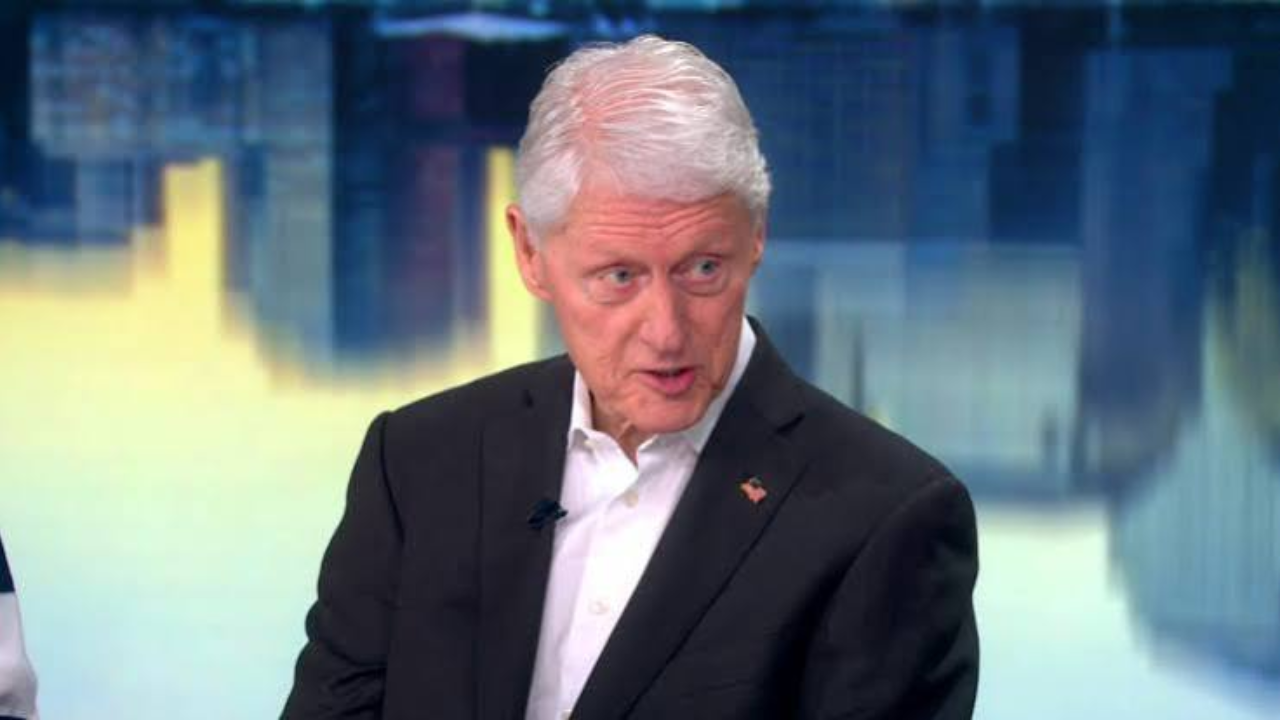
Bill Clinton would later confess to the fear and the anger that defined those agonizing deliberations. He was haunted by the ghosts of past intelligence failures, mindful of the political crossfires that could detonate at any moment, and bound by a military doctrine that demanded absolute certainty in an arena defined by fog.
Consider the sheer weight of that burden. If you strike and miss, you are a reckless warmonger endangering global stability. If you strike and hit civilians, you ignite an anti-American firestorm across the Islamic world. If you do nothing, you are leaving a loaded weapon on the table, hoping against hope that the man holding it will suddenly decide to put it down.
He didn't.
Instead, the operational windows opened and closed with agonizing speed. The satellites would track his movements to a desert camp in Tarnak Farm or a guesthouse in Kandahar. The cruise missiles were primed. The strike teams were on standby. And then, the order would come down from on high: stand down. The intelligence isn't ironclad enough. The collateral risk is too high. Let's wait for a better opportunity.
There is a profound psychological toll that comes with seeing a catastrophe coming in slow motion. Ask any intelligence analyst who spent the late nineties screaming into the void. They didn't need a crystal ball; they had raw data, intercepted communications, and behavioral patterns that spelled out an inevitable trajectory. They watched as embassy bombings in East Africa served as bloody rehearsal notes for a much grander, much more horrifying production.
When you know a disaster is coming and your warnings are filed away in a cabinet marked pending further review, a strange thing happens to the human spirit. First comes urgency. Then frustration. Then a bitter, hollow cynicism. By the time the calendar flipped to September 2001, the institutional fatigue was absolute.
We often talk about intelligence failures as if they were simple clerical errors, a matter of missing a fax or failing to connect a dot. But the reality was far more human and far more tragic. It was a failure of imagination. It was the inability of a superpower steeped in conventional diplomacy and peacetime rules to comprehend an enemy who played by an entirely different set of apocalyptic equations.
Bin Laden understood the American hesitation. He exploited the legalistic scaffolding of Western democracy like a master chess player moving pieces across a board where the opponent is forbidden from knocking over the king. He knew that the very systems designed to protect human rights and ensure accountability could be weaponized against themselves. Every delay was a victory. Every debate in the Situation Room was a shield.
When the dust finally settled over Lower Manhattan on that crisp autumn morning, the theoretical debates of the nineties evaporated in an instant. The luxury of hesitation was burned away in the fires of the Twin Towers. The cold facts revealed a stark, brutal truth: the ghost in the crosshairs had become a monster loose in the world, precisely because everyone was too afraid to pull the trigger when the bullet was chambered.
History does not offer refunds for missed opportunities. It simply marches forward, leaving behind the wreckage of what might have been.
Today, those old briefing room transcripts read like archaeological digs into a lost era of innocence. They remind us that the greatest threats to civilization are rarely defeated by overwhelming force alone; they are frequently nurtured by the quiet, creeping paralysis of institutional fear.
The silence that follows a missed chance is heavier than any explosion. It lingers in the empty chairs, the unread memos, and the enduring memory of a world that stood at the edge of the precipice, looked down into the dark, and decided it was too frightening to leap.


