The coffee cup is still warm on the kitchen counter, but the person who set it down is gone.
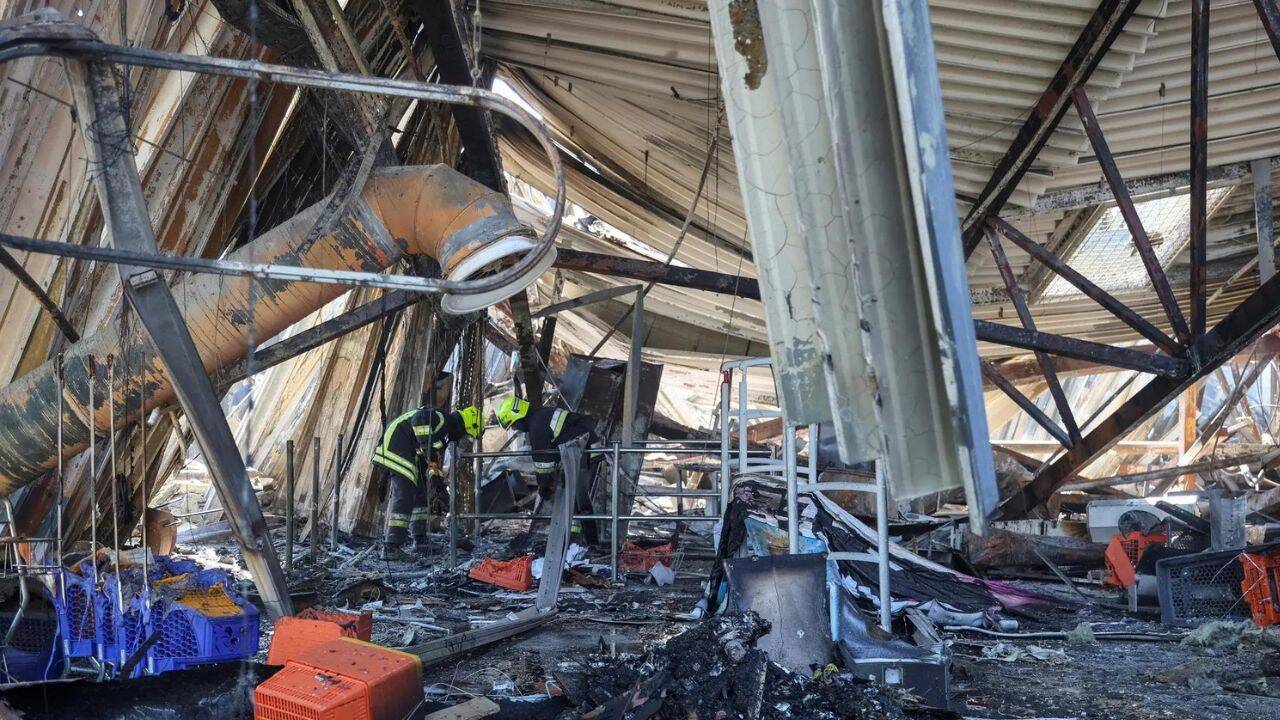
That is how modern war enters a home. Not with cinematic fanfare or slow-motion tragedy, but with an abrupt, domestic abandonment. A half-read book left face down on a sofa. A pair of shoes kicked off by the door, waiting for feet that will not return. When a shopping centre turns into a crater, the violence does not stay contained within the concrete and steel. It ripples outward, multiplying in the quiet rooms of families who were buying bread, checking prices, or simply sheltering from the winter chill just hours before.
Consider the rhythm of escalation. It begins with a strike. Then another. A balance sheet written in rubble and smoke. Nine dead. The dry ticker-tape of a headline cannot hold the weight of those numbers. Behind each digit is an entire universe extinguished: the private jokes, the stubborn habits, the quiet Tuesday afternoon routines that people spent decades building.
We watch the maps flash red. We track the trajectories of missiles across a darkening sky as if we are analyzing weather patterns. But the sky is not just a theatre for machinery. It is a ceiling over millions of heads.
(Note: While the specific individuals described in the following hypothetical scenario represent a composite based on dozens of documented accounts from recent urban strikes, their experience mirrors the daily reality for civilians caught in the crossfire.)
Imagine a woman named Olena, standing outside a shattered glass facade that used to sell winter coats. Her phone buzzes in her pocket. It is a notification from a news app, updating the death toll. Nine dead. She stares at the screen, her fingers trembling against the glass, because her husband went out for milk forty minutes ago and his phone is currently ringing out into an empty room. The statistics on the screen are not abstract policy outcomes. They are a ticking clock she is living inside.
When Russia and Ukraine trade fresh strikes, the geography of the war shifts yet again. It is a grim choreography. Retaliation breeds retaliation. Each side answers the other in the universal language of high explosives. Yet, while diplomats draft statements and strategists measure territorial gains in meters, the human cost compounds invisibly.
To understand why this cycle refuses to break, we have to look past the political posturing and examine the psychology of endurance. People adapt to terror with terrifying speed. They learn to read the whistle of incoming fire. They memorize the fastest route to a basement. They keep go-bags packed by the entryway like spare umbrellas. Yet this adaptation is not resilience; it is exhaustion. It is the human spirit being stretched so thin that it becomes translucent.
The shopping centre attack was not an isolated anomaly. It was part of a relentless pattern. Targets that once signified ordinary life—markets, transit hubs, commercial plazas—have transformed into frontlines. When a missile hits a place of commerce, the message sent is psychological as much as it is tactical. It says that nowhere is ordinary. It says that the mundane acts of living—buying groceries, meeting a friend for coffee, browsing for a birthday gift—are acts of defiance.
And so the response follows. More strikes. More retaliatory fire arc across the border, tearing through infrastructure, cutting power lines, and plunging more neighborhoods into darkness. The retaliation is justified by those who order it as a necessary defense, a deterrent against further aggression. But deterrence is a ghost story told in the dark. It feeds on itself. Every strike provides the moral justification for the next.
We have seen this script before. History is heavy with the debris of vengeance. Yet knowing how the story ends does nothing to soften the blow for the person pulling the glass out of their hair today.
The tragedy of this conflict is not just the loss of life, profound though it is. It is the normalization of the unimaginable. We scroll past images of collapsed roofs and burned-out cars between memes and weather updates. We become numb. The human brain, wired to protect itself from overwhelming grief, builds scar tissue over our empathy.
We must fight that numbness. We have to look past the numbers to see the empty chairs.
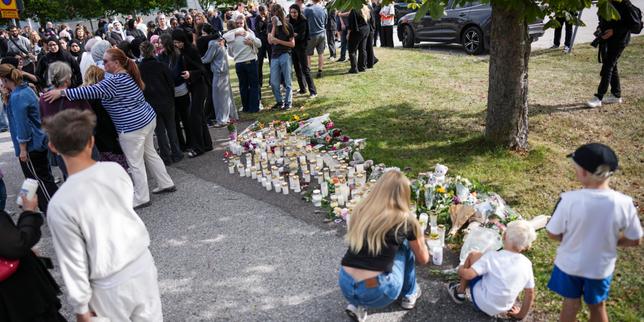
Consider what happens next: the sirens will eventually fade, the smoke will clear, and cleanup crews will sweep the shattered glass from the pavement. But the domestic silences left behind in apartments across two countries will remain long after the news cycle moves on. The coffee cups will grow cold. The shoes by the door will gather dust. And somewhere in the dark, another missile will clear the horizon, hunting for a target where ordinary people are just trying to live.