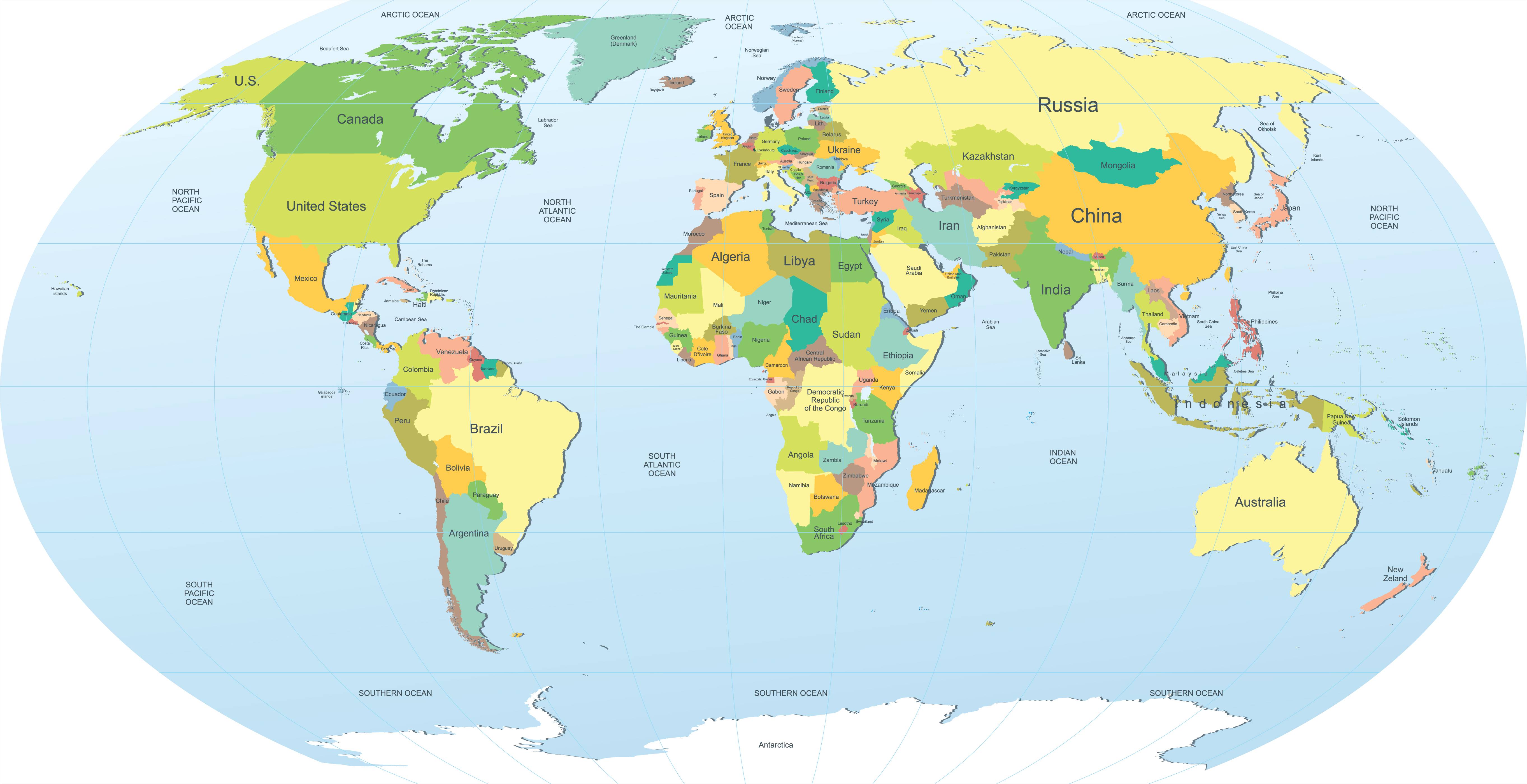
Foreign ministries across the globe didn't wait for the final ballots to be counted before rewriting their diplomatic playbooks. Every four years, Washington treats the midterms like a domestic referendum on gas prices, local school boards, and presidential approval ratings. The rest of the planet watches the exact same race through a completely different lens. They're looking at troop deployments, tariff schedules, climate funding, and whether the United States can actually keep its promises past a two-year budget cycle.
When commentators describe the aftermath of the US midterm election results as a seismic shift, they're usually talking about divided government in Washington. That's only half the story. For allies in Brussels, Tokyo, and Kyiv, a split Congress or a sudden power transfer on Capitol Hill doesn't just slow down domestic legislation. It freezes foreign aid packages, complicates trade negotiations, and forces world leaders to hedge their bets on American reliability. Don't forget to check out our previous article on this related article.
I've spent years tracking how international desks and foreign policy analysts digest American election nights, and one pattern never changes. American pundits obsess over the horse race. Foreign governments obsess over leverage.
Why Washington's Gridlock Means Uncertainty Abroad
Most Americans actually like divided government in theory. Voters often pull the lever for the opposition party during the midterms specifically to put a check on the White House. It feels like the constitutional system working as intended. If you want more about the context here, NBC News provides an informative summary.
Try explaining that charm to a defense minister in Eastern Europe or a trade representative in Southeast Asia. To them, a newly divided Congress doesn't look like healthy checks and balances. It looks like legislative paralysis.
When the opposition party takes control of the House of Representatives or the Senate, the immediate casualty isn't usually a domestic tax bill. It's the quiet, bipartisan consensus that keeps foreign commitments funded. Suddenly, routine appropriations for international development, embassy security, and overseas defense posture become bargaining chips in domestic debt ceiling standoffs.
Foreign diplomats stationed in Washington spend the first week after a midterm election frantically mapping out new committee chairs. The House Foreign Affairs Committee, the Senate Foreign Relations Committee, and the Armed Services panels hold massive sway over what a president can actually execute abroad. Even though the Constitution gives the executive branch primary authority over foreign policy, Congress holds the purse strings. Without funding, a presidential doctrine is just a press release.
European Allies Brace for Budget Battles and Trade Friction
Across the Atlantic, reactions from European capitals tend to follow a familiar script of polite congratulations mixed with quiet anxiety. Leaders in London, Paris, Berlin, and Brussels always issue the standard statements about enduring transatlantic ties and shared democratic values. Behind closed doors, their policy teams are running stress tests on two major fronts.
First, there's the question of security commitments and defense spending. Whenever Congress shifts toward a more populist or fiscally conservative posture, European governments immediately worry about burdensharing. They know that a vocal faction of lawmakers on Capitol Hill views massive overseas security guarantees as a bad deal for American taxpayers. Even when a majority in Congress still supports NATO and European defense, the noise alone forces European Union officials to accelerate their own defense procurement plans. You don't wait for the check to bounce before opening a backup bank account.
Second, trade policy gets messy fast. Presidents often turn to executive actions on trade and tariffs when Congress blocks their domestic agenda. If a White House can't pass major economic bills through a hostile legislature, it frequently leans harder on industrial policy, subsidies, and trade restrictions that don't require new votes. European exporters hate this. They've seen how American domestic manufacturing incentives can pull investment away from European factories, sparking bitter disputes at the World Trade Organization.
The Indo-Pacific Watches for Consistency
If Europe worries about legislative gridlock, governments in the Indo-Pacific worry about strategic distraction. In Tokyo, Seoul, Canberra, and Taipei, policymakers measure American leadership by one metric above all else. Does Washington have the bandwidth to stay focused on the Pacific while fighting domestic political wars?
History shows that when a president faces relentless oversight hearings, subpoena battles, and budget showdowns at home, foreign travel gets canceled and long-term regional strategies stall.
Look at how trade deals fare in the region. Neither major American political party has shown much appetite for traditional free trade agreements in recent years. Still, Asian economies rely heavily on predictable regulatory frameworks and supply chain partnerships with the United States. After a contentious midterm cycle, trade officials in Singapore or Hanoi have to ask themselves whether any new economic framework negotiated with the White House will survive the next congressional session.
Meanwhile, Beijing watches the exact same results and draws a completely different conclusion. State media in China routinely uses chaotic or bitterly divided US midterm elections to push a specific narrative across the Global South. Their message is simple. American democracy is too polarized and short-sighted to be a reliable partner for long-term infrastructure or economic development. It's a predictable talking point, sure, but it lands differently when Congress is visibly deadlocked over basic government funding.
How Global Markets React Before the Politicians Do
You don't need to read diplomatic cables to see how the world reacts to US midterm election results. You just need to look at currency markets and Treasury yields at 2:00 AM Eastern Time on Wednesday morning.
Financial markets are brutally honest because traders bet money rather than political capital. Historically, Wall Street has actually loved a divided government following a midterm election. Data from organizations like Charles Schwab and Vanguard shows that the S&P 500 has frequently posted strong gains in the twelve months following a midterm vote, largely because gridlock reduces the odds of dramatic tax hikes or sweeping new business regulations.
International investors, however, look closely at the US dollar and bond markets. If an election outcome points toward massive deficit spending without any plan to pay for it, global bond yields react immediately. Central banks in emerging markets feel that shockwave within hours. A stronger dollar driven by shifting US fiscal expectations makes dollar-denominated debt much more expensive for countries in Latin America, Africa, and South Asia.
Currency traders in London and Tokyo also price in tariff risks. If the winning coalition in Congress favors aggressive protectionism, currencies tied to heavy export economies take a hit before the newly elected representatives even measure the curtains in their offices.
What Most People Get Wrong About Foreign Reactions
There's a common misconception in American political media that foreign leaders are secretly rooting for one specific US party to sweep the midterms. That's rarely how real diplomacy works.
Experienced foreign diplomats don't bet on parties. They bet on predictability.
A conservative government in Europe might actually find it easier to work with a moderate Democratic administration that respects multilateral institutions, while a progressive government in Latin America might clash fiercely with that same administration over regional interference. Conversely, plenty of foreign leaders prefer dealing with transactional politicians because they know exactly what it takes to strike a deal, even if the public rhetoric sounds harsh.
What truly rattles foreign capitals isn't whether Democrats or Republicans win a five-seat majority in the House. It's the wild swings in policy from one election cycle to the next. When the United States joins a global accord, leaves it two years later, rejoins it, and then defunds it after a midterm shift, allies stop treating American signatures as binding commitments. They start treating them as temporary memos.
How Foreign Governments Actually Adapt
When a midterm election reshapes the balance of power in Washington, smart foreign ministries don't just sit around complaining about American polarization. They change how they lobby.
- They bypass the White House and go straight to state capitals. Foreign ambassadors increasingly spend their time meeting with governors, mayors, and state commerce departments. If Congress is deadlocked on green energy or tech regulation, European and Asian companies cut deals directly with Texas, California, Georgia, or Ohio. Foreign direct investment gives a country leverage that no State Department memo can match.
- They court committee staffers, not just lawmakers. Experienced embassies know that real legislative power on Capitol Hill sits with the senior staff directors on key committees. Within days of the midterm results, foreign policy teams in Washington are booking coffee meetings with the incoming majority staff to explain how their country's interests align with American jobs in specific congressional districts.
- They hedge their alliances. No middle power wants to be caught flat-footed if Washington turns inward. After every major US election shift, you see a noticeable uptick in bilateral trade deals, regional security pacts, and diplomatic summits that don't include the United States at all.
How to Read International Coverage Without Getting Misled
If you want to understand what the rest of the world actually thinks about US midterm election results, skip the viral social media clips of foreign pundits yelling on cable news. Those clips are engineered for outrage, not insight.
Instead, look at three concrete indicators over the next few weeks. Watch the phrasing in official readouts from the European Commission and NATO headquarters, paying close attention to whether they emphasize "shared values" or "institutional stability." Track the movement of the US Dollar Index (DXY) alongside 10-year Treasury yields to see whether global capital expects fiscal discipline or gridlock-induced chaos. Finally, check the travel schedules of senior US cabinet officials—if planned trips to Asia or Europe suddenly get postponed for domestic budget negotiations, you'll know the midterm shift has already started pulling Washington inward.


