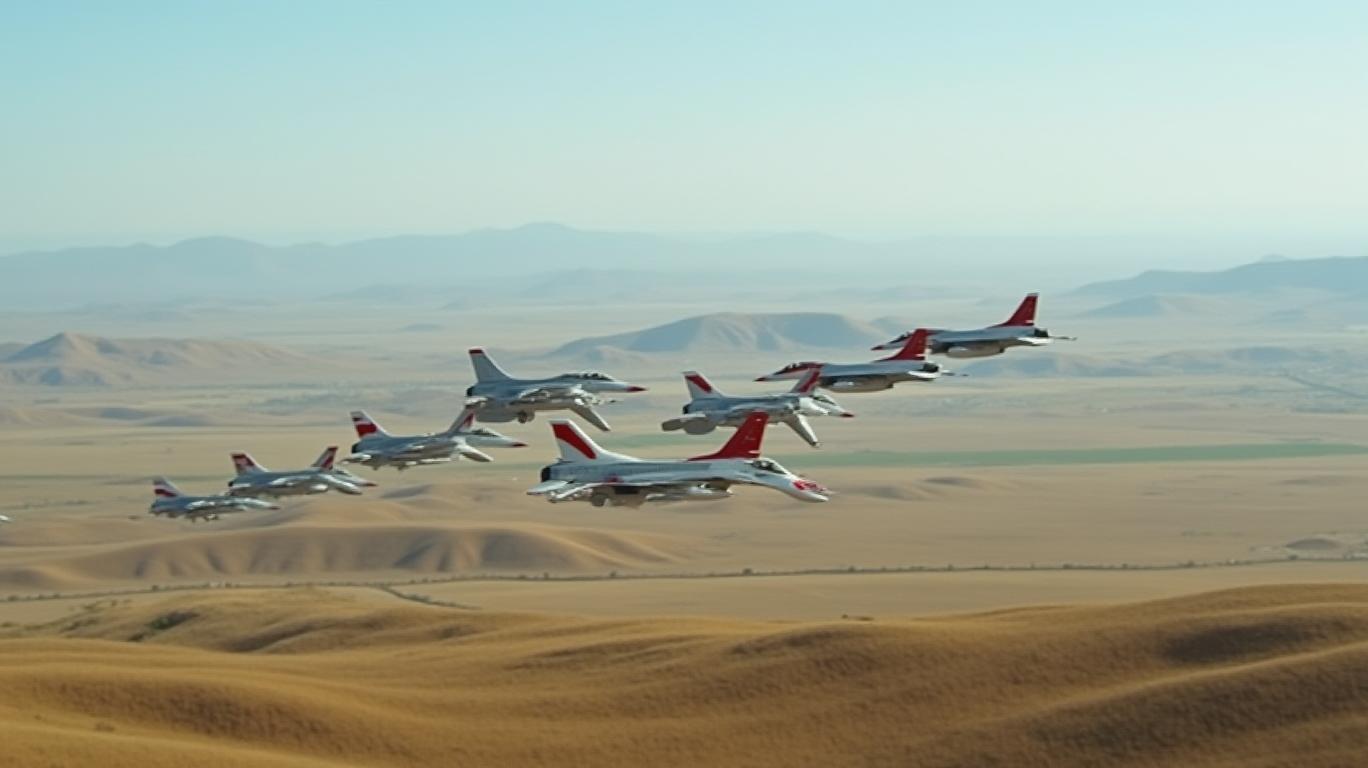
War doesn't just happen on a map. It happens in your soda can, your smartphone, and the MRI machine at your local hospital. When regional instability flares up in the Middle East, specifically involving a major player like Iran, the shockwaves travel through commodities that most people never think about until the price spikes or the shelf goes empty. We’re talking about more than just oil. While the world watches the price per barrel, the real story is unfolding in the markets for aluminum, helium, and sulfur.
If you think a conflict thousands of miles away doesn't affect your daily life, you're missing the bigger picture. Iran sits on a massive wealth of minerals and occupies one of the most sensitive maritime chokepoints on the planet. The Strait of Hormuz isn't just a lane for tankers; it’s the jugular vein of the global economy.
The Aluminum Squeeze is Real
Aluminum is the backbone of modern transport and packaging. It's light. It's strong. It's everywhere. Iran has been aggressively expanding its smelting capacity over the last decade, aiming to become a top-tier global producer. When conflict escalates, this production doesn't just stop—it becomes a geopolitical weapon or a casualty of infrastructure damage.
The real problem isn't just the metal itself. It's the energy required to make it. Smelting aluminum is essentially "solidified electricity." Since Iran holds some of the largest natural gas reserves on earth, their smelters run on incredibly cheap power. If that power grid gets hit or if gas is diverted to the military, global supply drops instantly.
We saw this happen during previous periods of heavy sanctions. Prices on the London Metal Exchange (LME) don't just drift up; they jump. Manufacturers in Europe and North America then have to scramble for more expensive alternatives from places like Canada or Australia. You end up paying more for everything from automotive parts to the foil in your kitchen. It’s a direct tax on the consumer caused by regional instability.
Why We Should Worry About Helium
Most people think of party balloons when they hear "helium." That's a mistake. Helium is a non-renewable resource essential for high-tech manufacturing and medicine. It cools the superconducting magnets in MRI machines. It’s used in the production of semiconductors and fiber optics.
Qatar is one of the world's largest helium exporters. Here’s the catch. They share the North Dome/South Pars gas field with Iran. Because helium is a byproduct of natural gas extraction, any kinetic conflict in the Persian Gulf puts a massive percentage of the global helium supply at risk.
If the Strait of Hormuz closes, Qatar can't ship its helium. There's no easy way to truck it out. We’ve faced "helium shortages" before, but a total cutoff from the Gulf would be catastrophic for the medical field. I’ve talked to lab technicians who dread these price hikes because it means prioritizing which patients get scans. That’s the grim reality of commodity warfare.
Sulfur and the Fertilizer Crisis
Sulfur sounds boring. It's yellow, it smells, and it's vital for life. It’s the primary ingredient in sulfuric acid, which is used to process phosphate ores into fertilizer. Without fertilizer, global food yields collapse.
The Middle East is a powerhouse of sulfur production because it’s stripped out of "sour" natural gas and oil during refining. Iran is a significant exporter to markets like China and India. If Iranian sulfur is removed from the market through sanctions or war, the cost of farming goes up globally.
Farmers in the Midwest or the Brazilian highlands don't care about the politics of Tehran. They care that their input costs just doubled. When the cost of sulfur rises, the cost of bread follows about six months later. It’s a slow-motion wreck that starts in the Gulf and ends in your grocery cart.
Logistics and the Strait of Hormuz Factor
Shipping isn't just about moving boxes. It's about insurance. The moment a missile is fired in the Gulf, insurance premiums for cargo ships skyrocket. This is called "War Risk" insurance. Even if a ship isn't hit, the cost of moving aluminum or sulfur through the region becomes prohibitively expensive.
Some companies try to bypass the area, but the alternatives are limited and slow. Taking the long way around Africa adds weeks to a journey and burns thousands of tons of extra fuel. This creates a "bullwhip effect" in supply chains. A two-week delay in the Gulf can lead to a two-month shortage in a factory in Michigan.
It’s not just about what Iran produces. It’s about what they can stop from moving. Twenty percent of the world's liquefied natural gas (LNG) passes through that narrow strip of water. If the gas stops, the power plants in Asia stop, the factories stop, and the demand for raw materials like aluminum drops—creating a weird, volatile cycle of price crashes followed by massive spikes.
The Misconception of Energy Independence
I hear people say that because the U.S. produces its own oil and gas, we're safe. That's a total myth. Commodities are priced globally. If a refinery in the Middle East goes offline, the global price of those refined products goes up for everyone.
Even if we have the physical material here, we live in an interconnected web. If a car manufacturer can't get Iranian-sourced minerals or Qatari helium for their high-end electronics, they stop buying parts from American suppliers too. The system is only as strong as its most volatile link. Right now, that link is the Persian Gulf.
How Businesses Should Respond
If you’re running a business that relies on these materials, you can't just sit and wait for the news. Relying on "just-in-time" delivery is a recipe for bankruptcy in this decade. You need to look at "just-in-case" inventory.
Diversify your suppliers immediately. If your aluminum is coming from a supply chain that touches the Middle East, start looking at Latin American or domestic options. Yes, it’s more expensive today. But it’s a lot cheaper than a total production shutdown tomorrow.
Audit your tier-two and tier-three suppliers. You might not buy directly from the Middle East, but does your sub-contractor? Most companies don't actually know where their raw materials originate. That ignorance is a massive liability.
Map out your dependencies. Understand that helium isn't just for balloons and sulfur isn't just a byproduct. These are the hidden gears of the world. When those gears grind to a halt because of a drone strike or a naval blockade, only the prepared survive. Stop watching the headlines and start looking at your bill of materials. The risk is already baked in. You just haven't felt the heat yet.